- Products
- Air Compressors & Air Tools
- Climate Control
- Compaction Equipment
- Concrete Cutting Tools & Equipment
- Concrete and Masonry
- Demolition & Excavation
- Electrical & Mechanical
- Fasteners and Anchoring Adhesives
- Floor Protection
- Generators and Welders
- Hand Tools
- Heaters
- Janitorial and Office Supplies
- Jobsite Protection
- Ladders & Storage
- Lighting & Lighting Accessories
- Man Lifts
- Material Handling Equipment
- Power Tools
- Pressure Washers & Pumps
- Safety Gear
- Safety Products
- Saws
- Surface Preparation
- SEASONAL PRODUCTS
- Rentals
- Air Compressor and Air Tool Rentals
- Climate Control Rental
- Compaction Rentals
- Concrete Equipment Rentals
- Demolition & Excavation Equipment Rentals
- Concrete Floor Grinder Rentals
- General Construction Equipment Rentals
- Generator Rentals and Welder Rentals
- Heater Rentals
- Light Tower Rentals
- Man Lift Rentals in Massachusetts and Rhode Island
- Material Handling Equipment Rentals
- Pressure Washer & Pump Rentals
- Saw Rentals in New England
- SEASONAL PRODUCTS
- Products
- Air Compressors & Air Tools
- Climate Control
- Compaction Equipment
- Concrete Cutting Tools & Equipment
- Demolition & Excavation
- Electrical & Mechanical
- Floor Protection
- Generators and Welders
- Construction Heaters
- Construction Ladders, Staging, & Storage
- Construction Lighting
- Man Lifts
- Material Handling Equipment
- Industrial Janitorial and Office Supplies
- Pressure Washers & Pumps
- Construction Safety Products
- Construction Safety Gear
- Surface Preparation
- Building Protection
- Diesel Accessories
- Zero Emissions
- Rentals
- Air Compressor and Air Tool Rentals
- Climate Control Rental
- Compaction Rentals
- Concrete Equipment Rental
- Demolition & Excavation Equipment Rental
- General Construction Equipment Rental
- Generator Rentals and Welder Rentals
- Construction Heaters Rental
- Light Tower Rentals
- Man Lift Rentals
- Material Handling Equipment Rental
- Pressure Washer & Pump Rentals
- Saw Rentals in New England
- Concrete Floor Grinder Rentals
- Zero Emissions Rentals
- Repairs & Used
- Parts
- Blog
- Services
- Resources
- About Us
- Contact Us
Sales & Rental of Construction | Industrial Equipment & Supplies


7 Tips for Choosing a High Speed Packaging Machine
Choosing a high speed packaging machine is not simply a race for the highest bags-per-minute rating. The right decision depends on product behavior, package format, sealing accuracy, changeover time, operator safety, and long-term service support. A machine that runs quickly but creates frequent film jams can quietly reduce production capacity. That detail is easy to miss.
Jorge Izquierdo, former Vice President of Market Development at PMMI, has emphasized, “Automation must improve the entire operation, not just one machine.” This principle should guide every evaluation. Buyers need to inspect real production samples, measure seal quality, and test the machine with actual film, powder, granules, or fragile products. A showroom demonstration is useful, but it is not the whole story.
This guide presents seven practical tips for selecting a high speed packaging machine with greater confidence. It examines output requirements, servo control, format flexibility, sanitation, energy use, maintenance access, and total ownership cost. Pay attention to the small details: a tool-free film change, a clear error message, or a reachable sealing jaw can save hours each week. Do not trust impressive specifications alone. Ask for verified performance data and references from comparable factories. Some recommendations may still require reconsideration, because every product line behaves differently. The fastest machine is not always the most productive choice. Reliability matters more.
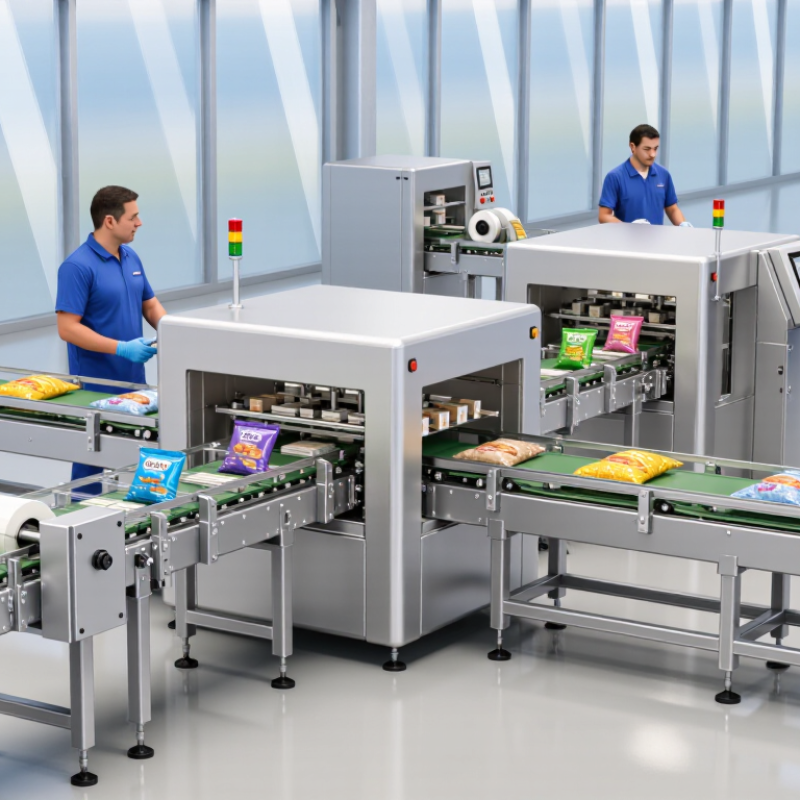
Table of Contents [Hide]
Define Product, Package, and Production Requirements
7 Tips for Choosing a High Speed Packaging Machine
Define Product, Package, and Production Requirements
Tip 1: Define the product before chasing speed. Record weight, shape, viscosity, temperature, fragility, and surface moisture. A fast machine may fail with sticky sauce or uneven granules. Measure the complete SKU mix, not one perfect sample. In my experience, real products behave less politely during long shifts.
The International Federation of Robotics reported 541,302 industrial robot installations worldwide in 2023. This growth reflects stronger automation demand, but automation still needs accurate product data.
The U.S. Census Bureau reported that e-commerce represented 15.4% of total U.S. retail sales in 2023. That figure makes package durability and consistent presentation more important.
Tip 2: Describe the package in measurable terms. Specify film thickness, seal width, carton dimensions, pouch stiffness, and acceptable leak rates. Test recycled or lightweight materials before approving a machine. Packaging changes can affect sealing temperature and machine stability. Do not trust a sample run alone.
Tip 3: Translate production goals into operating conditions. State target output, shifts per day, changeover frequency, sanitation time, labor availability, utilities, and floor space. Ask for sustained speed, not only the maximum cycle rate. Include planned growth and seasonal demand.
A useful calculation is required output divided by effective operating time, including stoppages.
The Packaging Machinery Manufacturers Institute highlights integration, flexibility, and labor efficiency as major machinery considerations. Still, every facility has different constraints. A slightly slower machine may deliver better uptime and fewer rejected packs.

© Copyright - Pro Tool & Supply - Site by SVM E-Marketing Solutions - Sitemap
- Privacy policy