- Products
- Air Compressors & Air Tools
- Climate Control
- Compaction Equipment
- Concrete Cutting Tools & Equipment
- Concrete and Masonry
- Demolition & Excavation
- Electrical & Mechanical
- Fasteners and Anchoring Adhesives
- Floor Protection
- Generators and Welders
- Hand Tools
- Heaters
- Janitorial and Office Supplies
- Jobsite Protection
- Ladders & Storage
- Lighting & Lighting Accessories
- Man Lifts
- Material Handling Equipment
- Power Tools
- Pressure Washers & Pumps
- Safety Gear
- Safety Products
- Saws
- Surface Preparation
- SEASONAL PRODUCTS
- Rentals
- Air Compressor and Air Tool Rentals
- Climate Control Rental
- Compaction Rentals
- Concrete Equipment Rentals
- Demolition & Excavation Equipment Rentals
- Concrete Floor Grinder Rentals
- General Construction Equipment Rentals
- Generator Rentals and Welder Rentals
- Heater Rentals
- Light Tower Rentals
- Man Lift Rentals in Massachusetts and Rhode Island
- Material Handling Equipment Rentals
- Pressure Washer & Pump Rentals
- Saw Rentals in New England
- SEASONAL PRODUCTS
- Products
- Air Compressors & Air Tools
- Climate Control
- Compaction Equipment
- Concrete Cutting Tools & Equipment
- Demolition & Excavation
- Electrical & Mechanical
- Floor Protection
- Generators and Welders
- Construction Heaters
- Construction Ladders, Staging, & Storage
- Construction Lighting
- Man Lifts
- Material Handling Equipment
- Industrial Janitorial and Office Supplies
- Pressure Washers & Pumps
- Construction Safety Products
- Construction Safety Gear
- Surface Preparation
- Building Protection
- Diesel Accessories
- Zero Emissions
- Rentals
- Air Compressor and Air Tool Rentals
- Climate Control Rental
- Compaction Rentals
- Concrete Equipment Rental
- Demolition & Excavation Equipment Rental
- General Construction Equipment Rental
- Generator Rentals and Welder Rentals
- Construction Heaters Rental
- Light Tower Rentals
- Man Lift Rentals
- Material Handling Equipment Rental
- Pressure Washer & Pump Rentals
- Saw Rentals in New England
- Concrete Floor Grinder Rentals
- Zero Emissions Rentals
- Repairs & Used
- Parts
- Blog
- Services
- Resources
- About Us
- Contact Us
Sales & Rental of Construction | Industrial Equipment & Supplies


7 Tips for Buying Trauma Kits in Bulk
Buying trauma kits in bulk can improve readiness, but only when the contents match real needs. A warehouse, school, clinic, and construction site face different risks. One oversized order may leave useful supplies unused while essential items run short. Start with a documented review of likely injuries, response times, storage conditions, and staff training.
Trauma surgeon Dr. Lenworth Jacobs has expressed the value of immediate help this way: “The person most likely to save your life is the person standing next to you.” That principle makes kit placement and usability matter as much as price. Compare suppliers for clear product descriptions, traceable manufacturers, sealed packaging, and reliable delivery dates. Check expiration dates and replacement policies before placing a large order. Ask whether each kit’s contents suit your setting and whether staff can use them after appropriate training. Small details count. A label hidden under straps is still a problem.
Bulk discounts deserve scrutiny. Calculate the full cost, including storage, inspection, replenishment, and eventual replacement. Confirm that the supplier can provide consistent stock, not merely an attractive first shipment. Request samples when possible, and inspect them before committing. Keep an inventory record with quantities, lot information, and review dates. Requirements change, and supply chains can disappoint. Even a careful plan may miss something; a scheduled review helps catch gaps before an emergency. These seven buying tips can help organizations purchase trauma kits thoughtfully, maintain them responsibly, and support a more prepared response.
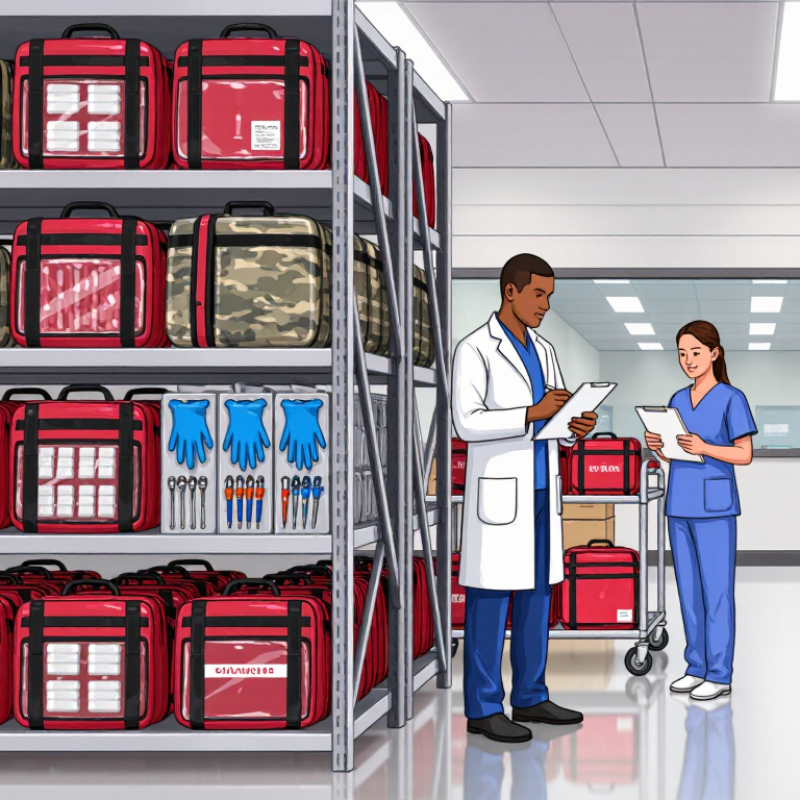
Table of Contents [Hide]
Define the Intended Users and Emergency Scenarios
When buying trauma kits in bulk, identify the people expected to use them. A workplace first-aid team, school staff, and outdoor crews may have different training and response roles. Be specific: who is on site, how many people need coverage, and how long might emergency services take to arrive? A kit for a warehouse loading dock may need different placement and supplies than one carried in a field vehicle. Keep that in view.
Tip: Match kit contents to users’ training and written emergency procedures. Ask the organization’s safety lead or medical advisor to review the proposed contents. Avoid adding items that users have not been trained to handle. A well-stocked kit is not automatically a useful one.
Tip: Describe likely emergencies before setting quantities. Consider machinery areas, remote work sites, large events, or locations with many visitors. Note where kits will be stored, whether they face heat or dust, and how often staff can inspect them. Our first draft of a kit plan may miss a detail; walk the site with actual users and revise it. Record inspection dates and replacement needs, so unopened kits do not quietly become incomplete.

© Copyright - Pro Tool & Supply - Site by SVM E-Marketing Solutions - Sitemap
- Privacy policy