- Products
- Air Compressors & Air Tools
- Climate Control
- Compaction Equipment
- Concrete Cutting Tools & Equipment
- Concrete and Masonry
- Demolition & Excavation
- Electrical & Mechanical
- Fasteners and Anchoring Adhesives
- Floor Protection
- Generators and Welders
- Hand Tools
- Heaters
- Janitorial and Office Supplies
- Jobsite Protection
- Ladders & Storage
- Lighting & Lighting Accessories
- Man Lifts
- Material Handling Equipment
- Power Tools
- Pressure Washers & Pumps
- Safety Gear
- Safety Products
- Saws
- Surface Preparation
- SEASONAL PRODUCTS
- Rentals
- Air Compressor and Air Tool Rentals
- Climate Control Rental
- Compaction Rentals
- Concrete Equipment Rentals
- Demolition & Excavation Equipment Rentals
- Concrete Floor Grinder Rentals
- General Construction Equipment Rentals
- Generator Rentals and Welder Rentals
- Heater Rentals
- Light Tower Rentals
- Man Lift Rentals in Massachusetts and Rhode Island
- Material Handling Equipment Rentals
- Pressure Washer & Pump Rentals
- Saw Rentals in New England
- SEASONAL PRODUCTS
- Products
- Air Compressors & Air Tools
- Climate Control
- Compaction Equipment
- Concrete Cutting Tools & Equipment
- Demolition & Excavation
- Electrical & Mechanical
- Floor Protection
- Generators and Welders
- Construction Heaters
- Construction Ladders, Staging, & Storage
- Construction Lighting
- Man Lifts
- Material Handling Equipment
- Industrial Janitorial and Office Supplies
- Pressure Washers & Pumps
- Construction Safety Products
- Construction Safety Gear
- Surface Preparation
- Building Protection
- Diesel Accessories
- Zero Emissions
- Rentals
- Air Compressor and Air Tool Rentals
- Climate Control Rental
- Compaction Rentals
- Concrete Equipment Rental
- Demolition & Excavation Equipment Rental
- General Construction Equipment Rental
- Generator Rentals and Welder Rentals
- Construction Heaters Rental
- Light Tower Rentals
- Man Lift Rentals
- Material Handling Equipment Rental
- Pressure Washer & Pump Rentals
- Saw Rentals in New England
- Concrete Floor Grinder Rentals
- Zero Emissions Rentals
- Repairs & Used
- Parts
- Blog
- Services
- Resources
- About Us
- Contact Us
Sales & Rental of Construction | Industrial Equipment & Supplies


10 Tips for Buying Non Woven Fabric Rolls
Buying Non Woven Fabric Rolls is not simply a matter of choosing a width and comparing prices. The right roll must suit the product, converting equipment, and conditions it will face. A lightweight spunbond roll may work well for a shopping bag, while filtration or medical applications can require different fiber blends, bonding methods, and performance checks. Small differences matter.
Nonwovens researcher Dr. Subhas K. Batra has written extensively about nonwoven materials and their structure. A practical paraphrase of the lesson for buyers is: “Match the fabric structure to the product’s real use.” This is a paraphrase, not a verbatim quotation. Keep that principle in view when comparing basis weight, thickness, tensile strength, absorbency, color consistency, and roll dimensions. Ask for a specification sheet and a sample. Then test the material on the equipment that will process it. A sample can feel excellent by hand and still feed poorly through a production line.
These ten tips focus on checks buyers can make before placing an order: clarify the application, verify specifications, inspect samples, assess supplier consistency, and confirm packaging and delivery details. Look closely at the roll edges, too. Uneven winding can cause trouble later. Price deserves attention, but it should not hide waste, defects, or an unsuitable grade. And one honest caveat: no checklist can replace a production trial. That step takes time, yet skipping it can cost more.
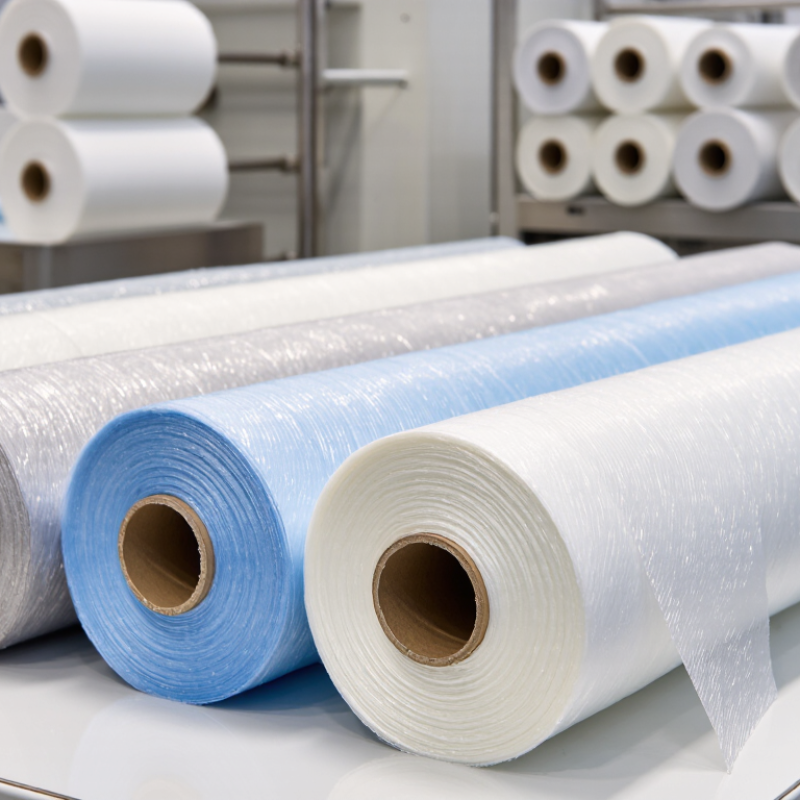
Table of Contents [Hide]
Understand Nonwoven Fabric Types and Their Intended Uses
Nonwoven fabric is made by bonding fibers through heat, pressure, chemicals, or mechanical action, rather than weaving yarns. The process shapes its performance. Spunbond rolls are often selected for strength and breathability in bags, covers, and hygiene products. Meltblown webs have finer fibers and suit filtration layers. Spunlace feels soft and drapes well, making it useful for wipes and personal-care products. Needlepunch material offers a thicker, more textured structure for carpet backing and geotextile applications. These are starting points, not guarantees; fiber blend and bonding method also matter.
Grand View Research’s Nonwoven Fabrics Market report valued the global market at about US$53.9 billion in 2022 and projected 7.4% annual growth from 2023 to 2030. That broad market estimate signals demand across many applications, but it does not identify the right roll for your production line. Match the fabric to its job: check basis weight, width, tensile strength, absorbency, linting, and compatibility with cutting or sealing equipment. A soft sample can still tear under tension. Test under actual operating conditions.
Tips: Ask for a technical data sheet and a production sample. Confirm roll diameter, core size, and winding direction before ordering. Test several meters, not just a small swatch; a sample can conceal uneven texture across the roll. Record acceptance limits in writing, especially for weight and width.

© Copyright - Pro Tool & Supply - Site by SVM E-Marketing Solutions - Sitemap
- Privacy policy