- Products
- Air Compressors & Air Tools
- Climate Control
- Compaction Equipment
- Concrete Cutting Tools & Equipment
- Concrete and Masonry
- Demolition & Excavation
- Electrical & Mechanical
- Fasteners and Anchoring Adhesives
- Floor Protection
- Generators and Welders
- Hand Tools
- Heaters
- Janitorial and Office Supplies
- Jobsite Protection
- Ladders & Storage
- Lighting & Lighting Accessories
- Man Lifts
- Material Handling Equipment
- Power Tools
- Pressure Washers & Pumps
- Safety Gear
- Safety Products
- Saws
- Surface Preparation
- SEASONAL PRODUCTS
- Rentals
- Air Compressor and Air Tool Rentals
- Climate Control Rental
- Compaction Rentals
- Concrete Equipment Rentals
- Demolition & Excavation Equipment Rentals
- Concrete Floor Grinder Rentals
- General Construction Equipment Rentals
- Generator Rentals and Welder Rentals
- Heater Rentals
- Light Tower Rentals
- Man Lift Rentals in Massachusetts and Rhode Island
- Material Handling Equipment Rentals
- Pressure Washer & Pump Rentals
- Saw Rentals in New England
- SEASONAL PRODUCTS
- Products
- Air Compressors & Air Tools
- Climate Control
- Compaction Equipment
- Concrete Cutting Tools & Equipment
- Demolition & Excavation
- Electrical & Mechanical
- Floor Protection
- Generators and Welders
- Construction Heaters
- Construction Ladders, Staging, & Storage
- Construction Lighting
- Man Lifts
- Material Handling Equipment
- Industrial Janitorial and Office Supplies
- Pressure Washers & Pumps
- Construction Safety Products
- Construction Safety Gear
- Surface Preparation
- Building Protection
- Diesel Accessories
- Zero Emissions
- Rentals
- Air Compressor and Air Tool Rentals
- Climate Control Rental
- Compaction Rentals
- Concrete Equipment Rental
- Demolition & Excavation Equipment Rental
- General Construction Equipment Rental
- Generator Rentals and Welder Rentals
- Construction Heaters Rental
- Light Tower Rentals
- Man Lift Rentals
- Material Handling Equipment Rental
- Pressure Washer & Pump Rentals
- Saw Rentals in New England
- Concrete Floor Grinder Rentals
- Zero Emissions Rentals
- Repairs & Used
- Parts
- Blog
- Services
- Resources
- About Us
- Contact Us
Sales & Rental of Construction | Industrial Equipment & Supplies

10 Tips for Buying a U Panel Machine?
Buying a U Panel Machine is a production decision, not a simple equipment purchase. The right choice affects bag strength, output stability, operator safety, and long-term operating costs. A machine may look impressive in a showroom, yet perform poorly with your actual fabric, dimensions, or filling process.
Industry packaging-machinery specialist Elena Marquez puts it clearly: “A U Panel Machine should be judged by consistent bag quality, not by brochure speed.” That principle deserves attention. Buyers should examine fabric compatibility, panel dimensions, sewing accuracy, cutting control, dust management, and sealing performance. Ask for samples made from your own material. Watch the machine during continuous operation. Short demonstrations can hide vibration, fabric slipping, or frequent adjustments.
Details matter. Check the control system, spare-parts availability, training plan, maintenance access, and response time for technical support. Compare the advertised speed with the practical speed after setup and quality checks. A cheaper machine may demand more labor, create more waste, or stop production unexpectedly. That cost appears later.
No machine is perfect. Even experienced buyers can overvalue speed and undervalue service. I would also question optimistic production figures without test records. A useful review should admit that judgment is difficult when suppliers provide incomplete data. This guide, “10 Tips for Buying a U Panel Machine,” focuses on measurable evidence, realistic production needs, and questions buyers should ask before signing an order. The goal is not to find the most complicated machine. It is to find dependable equipment that fits your materials, workforce, budget, and growth plans.
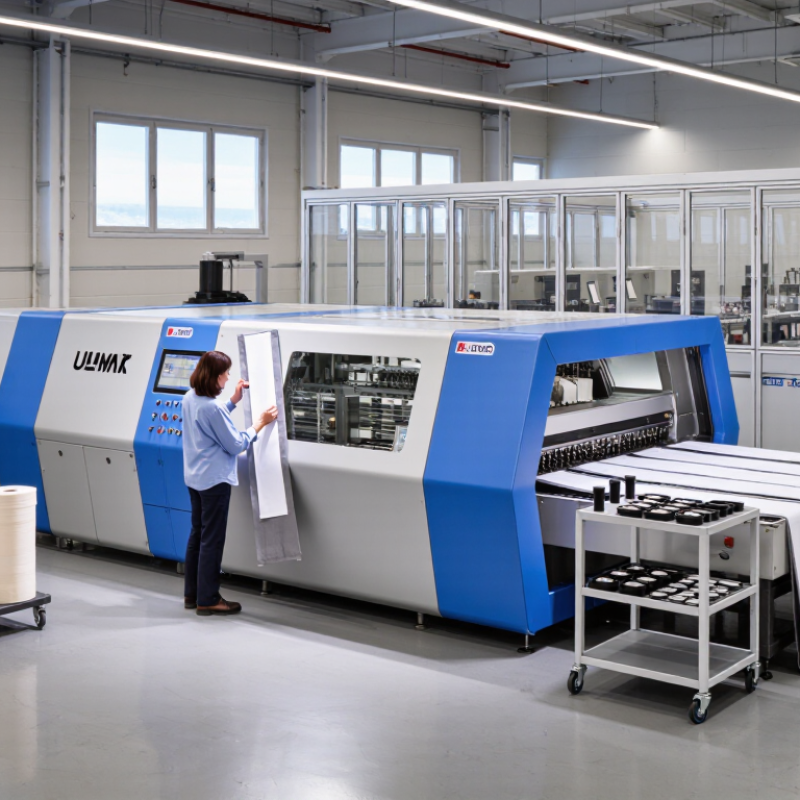
Table of Contents [Hide]
Define U-Panel Bag Specs: 500–2,000 kg SWL and ISO 21898
Before buying a U-panel bag machine, define the bag’s working requirements clearly. Specify a safe working load (SWL) between 500 and 2,000 kg, depending on the material, filling density, and handling method. Do not treat SWL as the bag’s total breaking strength. It describes the approved load during normal use. Small details matter. Record bag length, width, height, fabric weight, loop position, filling inlet size, and discharge outlet design.
ISO 21898 should guide the specification and inspection process. Ask whether the machine can produce consistent seams, reinforced corners, and accurately positioned lifting loops. These parts carry serious stress during lifting. Confirm the required safety factor, fabric strength, seam efficiency, and testing method with a qualified engineer. Request sample bags, seam test results, and dimensional records before accepting the equipment. A clean-looking sample is not enough.
Machine capacity must match production reality. Check sewing speed, fabric feeding stability, loop attachment accuracy, dust control, and operator access. A machine designed for 500 kg bags may not handle 2,000 kg construction without changes. That mistake can create weak seams or uneven loading. In practice, early specifications are rarely perfect. Recheck them after reviewing real filling trials, because fabric flexibility and powder flow can change the final bag shape. Reliable suppliers should explain limitations clearly, not promise every result.

© Copyright - Pro Tool & Supply - Site by SVM E-Marketing Solutions - Sitemap
- Privacy policy