- Products
- Air Compressors & Air Tools
- Climate Control
- Compaction Equipment
- Concrete Cutting Tools & Equipment
- Concrete and Masonry
- Demolition & Excavation
- Electrical & Mechanical
- Fasteners and Anchoring Adhesives
- Floor Protection
- Generators and Welders
- Hand Tools
- Heaters
- Janitorial and Office Supplies
- Jobsite Protection
- Ladders & Storage
- Lighting & Lighting Accessories
- Man Lifts
- Material Handling Equipment
- Power Tools
- Pressure Washers & Pumps
- Safety Gear
- Safety Products
- Saws
- Surface Preparation
- SEASONAL PRODUCTS
- Rentals
- Air Compressor and Air Tool Rentals
- Climate Control Rental
- Compaction Rentals
- Concrete Equipment Rentals
- Demolition & Excavation Equipment Rentals
- Concrete Floor Grinder Rentals
- General Construction Equipment Rentals
- Generator Rentals and Welder Rentals
- Heater Rentals
- Light Tower Rentals
- Man Lift Rentals in Massachusetts and Rhode Island
- Material Handling Equipment Rentals
- Pressure Washer & Pump Rentals
- Saw Rentals in New England
- SEASONAL PRODUCTS
- Products
- Air Compressors & Air Tools
- Climate Control
- Compaction Equipment
- Concrete Cutting Tools & Equipment
- Demolition & Excavation
- Electrical & Mechanical
- Floor Protection
- Generators and Welders
- Construction Heaters
- Construction Ladders, Staging, & Storage
- Construction Lighting
- Man Lifts
- Material Handling Equipment
- Industrial Janitorial and Office Supplies
- Pressure Washers & Pumps
- Construction Safety Products
- Construction Safety Gear
- Surface Preparation
- Building Protection
- Diesel Accessories
- Zero Emissions
- Rentals
- Air Compressor and Air Tool Rentals
- Climate Control Rental
- Compaction Rentals
- Concrete Equipment Rental
- Demolition & Excavation Equipment Rental
- General Construction Equipment Rental
- Generator Rentals and Welder Rentals
- Construction Heaters Rental
- Light Tower Rentals
- Man Lift Rentals
- Material Handling Equipment Rental
- Pressure Washer & Pump Rentals
- Saw Rentals in New England
- Concrete Floor Grinder Rentals
- Zero Emissions Rentals
- Repairs & Used
- Parts
- Blog
- Services
- Resources
- About Us
- Contact Us
Sales & Rental of Construction | Industrial Equipment & Supplies


How to Source China Steel Products for Global Buyers?
The global steel market is heavily influenced by China. According to the World Steel Association, China produces over 50% of the world's steel. This statistic highlights the significant role of China Steel Products in international trade. For global buyers, sourcing these products effectively can lead to substantial cost savings and product quality improvements.
However, navigating the complexities of the Chinese steel market requires expertise. Buyers must consider various factors, including quality standards, supplier reliability, and market trends. Reports indicate that approximately 30% of buyers face challenges when sourcing steel from China due to lack of information and fluctuating prices. Therefore, understanding the dynamics of this market is essential.
The rise in demand for sustainable practices also influences sourcing decisions. Many buyers are seeking eco-friendly options in China Steel Products. This shift requires a critical evaluation of suppliers' sustainability efforts. By staying informed on these trends and challenges, buyers can make better decisions. Ultimately, sourcing from China offers great potential, but it also demands careful consideration and reflection.
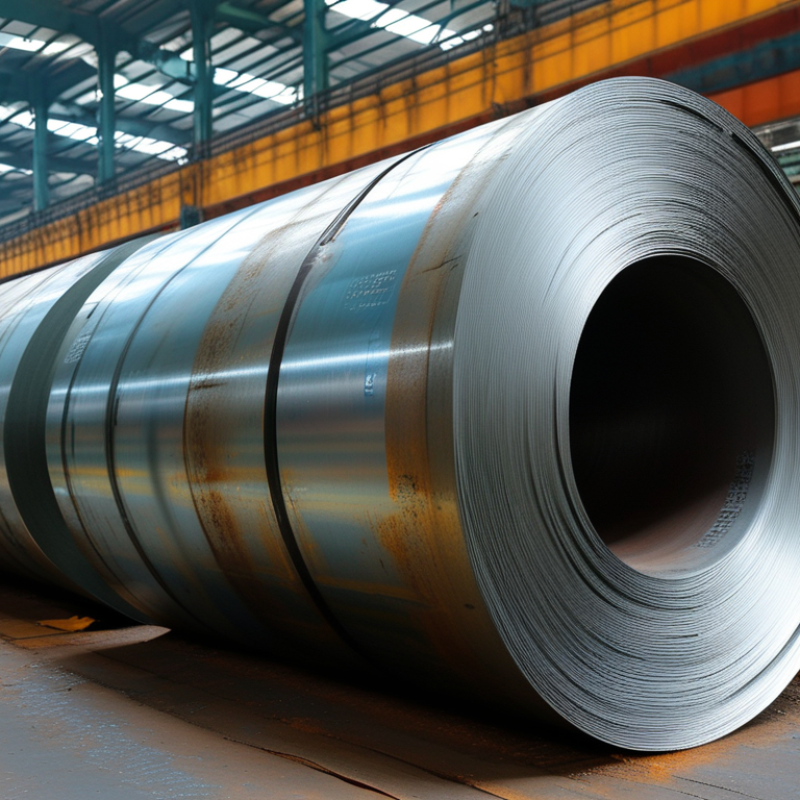
Table of Contents [Hide]
Understanding the Global Steel Market: Key Trends and Statistics
Understanding the global steel market is vital for buyers looking to source products from China. As demand fluctuates based on economic conditions, it is essential to monitor trends and statistics. For instance, global steel production reached around 1.9 billion metric tons in 2022. China remains a dominant player, producing over half of the world’s steel. This makes it essential for global buyers to understand the nuances of sourcing from this region.
Tips: Stay informed about market trends. Websites that track market analytics can be helpful. Understand the seasons of production and demand shifts throughout the year. Pricing can be volatile due to global events, influencing the overall supply chain.
As sustainability becomes a priority, buyers should be aware of eco-friendly practices within the steel industry. Countries are implementing stricter regulations to reduce carbon emissions. Assessing a supplier’s environmental policies could significantly impact your sourcing decisions. Keep a list of verified suppliers who prioritize sustainability and safety. This adds a layer of reliability to your procurement process.

© Copyright - Pro Tool & Supply - Site by SVM E-Marketing Solutions - Sitemap
- Privacy policy