- Products
- Air Compressors & Air Tools
- Climate Control
- Compaction Equipment
- Concrete Cutting Tools & Equipment
- Concrete and Masonry
- Demolition & Excavation
- Electrical & Mechanical
- Fasteners and Anchoring Adhesives
- Floor Protection
- Generators and Welders
- Hand Tools
- Heaters
- Janitorial and Office Supplies
- Jobsite Protection
- Ladders & Storage
- Lighting & Lighting Accessories
- Man Lifts
- Material Handling Equipment
- Power Tools
- Pressure Washers & Pumps
- Safety Gear
- Safety Products
- Saws
- Surface Preparation
- SEASONAL PRODUCTS
- Rentals
- Air Compressor and Air Tool Rentals
- Climate Control Rental
- Compaction Rentals
- Concrete Equipment Rentals
- Demolition & Excavation Equipment Rentals
- Concrete Floor Grinder Rentals
- General Construction Equipment Rentals
- Generator Rentals and Welder Rentals
- Heater Rentals
- Light Tower Rentals
- Man Lift Rentals in Massachusetts and Rhode Island
- Material Handling Equipment Rentals
- Pressure Washer & Pump Rentals
- Saw Rentals in New England
- SEASONAL PRODUCTS
- Products
- Air Compressors & Air Tools
- Climate Control
- Compaction Equipment
- Concrete Cutting Tools & Equipment
- Demolition & Excavation
- Electrical & Mechanical
- Floor Protection
- Generators and Welders
- Construction Heaters
- Construction Ladders, Staging, & Storage
- Construction Lighting
- Man Lifts
- Material Handling Equipment
- Industrial Janitorial and Office Supplies
- Pressure Washers & Pumps
- Construction Safety Products
- Construction Safety Gear
- Surface Preparation
- Building Protection
- Diesel Accessories
- Zero Emissions
- Rentals
- Air Compressor and Air Tool Rentals
- Climate Control Rental
- Compaction Rentals
- Concrete Equipment Rental
- Demolition & Excavation Equipment Rental
- General Construction Equipment Rental
- Generator Rentals and Welder Rentals
- Construction Heaters Rental
- Light Tower Rentals
- Man Lift Rentals
- Material Handling Equipment Rental
- Pressure Washer & Pump Rentals
- Saw Rentals in New England
- Concrete Floor Grinder Rentals
- Zero Emissions Rentals
- Repairs & Used
- Parts
- Blog
- Services
- Resources
- About Us
- Contact Us
Sales & Rental of Construction | Industrial Equipment & Supplies


10 Smart Speaker Buying Tips for Global Buyers
A Smart Speaker can make a kitchen timer, music playlist, or hands-free call feel effortless. Yet the right model depends on more than sound quality. Buyers also need to check language support, regional services, Wi-Fi compatibility, privacy controls, and local power requirements.
The scale of global connectivity helps explain why these choices matter. The ITU’s Facts and Figures 2024 estimates that 5.5 billion people use the internet, representing 68% of the world’s population. That still leaves major differences in access and infrastructure. IDC’s Worldwide Quarterly Smart Home Device Tracker follows regional device shipments, but shipment figures cannot tell buyers whether a speaker supports their preferred language or music service. Check those details directly with the manufacturer.
This guide turns those considerations into ten practical buying tips. It will help you compare voice assistants, microphones, audio performance, smart-home compatibility, setup, software support, and price. Look closely at the product page before purchasing. A speaker may advertise many integrations, yet omit the one your household actually uses. Small details matter. So does the return policy, especially when buying across borders. One caution: specifications can change by country and model year, so confirm them with the seller before checkout. A careful comparison will not make every choice obvious. It can, however, help you avoid paying for features you cannot use.
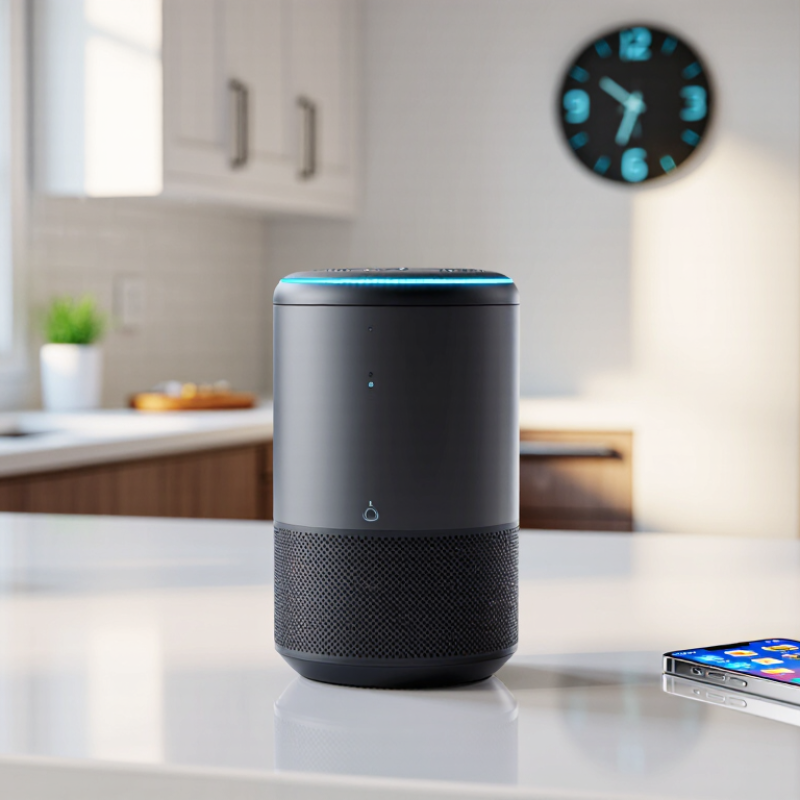
Table of Contents [Hide]
Identify Your Listening Needs and Intended Use
Start with a room. A speaker for quiet bedroom listening has different demands from one filling a busy kitchen. Think about what you play most: spoken podcasts, acoustic music, bass-heavy tracks, or radio in the background. Speech needs clear vocals; music often benefits from fuller sound. Notice how far away you usually sit, and whether doors or open-plan spaces affect what you can hear.
Be realistic about volume. If you listen while cooking, a small speaker may struggle against a running extractor fan or clattering pans. For a desk or bedside table, strong bass may matter less than balanced sound at low volume. A larger room does not automatically require the biggest model. That can be an easy assumption to get wrong. Consider how many people listen together, too: a single listener and a family gathering rarely need the same coverage.
Your intended routine matters as much as sound quality. Check that the speaker supports the languages and services you actually use, especially if household members speak different languages. For global buyers, confirm local connectivity and power requirements before ordering. If possible, listen at a familiar volume, not only in a quiet showroom. Even then, room acoustics can surprise you. Tile floors may make voices seem sharper, while curtains and rugs can soften sound; your first impression may need a second listen.

© Copyright - Pro Tool & Supply - Site by SVM E-Marketing Solutions - Sitemap
- Privacy policy