- Products
- Air Compressors & Air Tools
- Climate Control
- Compaction Equipment
- Concrete Cutting Tools & Equipment
- Concrete and Masonry
- Demolition & Excavation
- Electrical & Mechanical
- Fasteners and Anchoring Adhesives
- Floor Protection
- Generators and Welders
- Hand Tools
- Heaters
- Janitorial and Office Supplies
- Jobsite Protection
- Ladders & Storage
- Lighting & Lighting Accessories
- Man Lifts
- Material Handling Equipment
- Power Tools
- Pressure Washers & Pumps
- Safety Gear
- Safety Products
- Saws
- Surface Preparation
- SEASONAL PRODUCTS
- Rentals
- Air Compressor and Air Tool Rentals
- Climate Control Rental
- Compaction Rentals
- Concrete Equipment Rentals
- Demolition & Excavation Equipment Rentals
- Concrete Floor Grinder Rentals
- General Construction Equipment Rentals
- Generator Rentals and Welder Rentals
- Heater Rentals
- Light Tower Rentals
- Man Lift Rentals in Massachusetts and Rhode Island
- Material Handling Equipment Rentals
- Pressure Washer & Pump Rentals
- Saw Rentals in New England
- SEASONAL PRODUCTS
- Products
- Air Compressors & Air Tools
- Climate Control
- Compaction Equipment
- Concrete Cutting Tools & Equipment
- Demolition & Excavation
- Electrical & Mechanical
- Floor Protection
- Generators and Welders
- Construction Heaters
- Construction Ladders, Staging, & Storage
- Construction Lighting
- Man Lifts
- Material Handling Equipment
- Industrial Janitorial and Office Supplies
- Pressure Washers & Pumps
- Construction Safety Products
- Construction Safety Gear
- Surface Preparation
- Building Protection
- Diesel Accessories
- Zero Emissions
- Rentals
- Air Compressor and Air Tool Rentals
- Climate Control Rental
- Compaction Rentals
- Concrete Equipment Rental
- Demolition & Excavation Equipment Rental
- General Construction Equipment Rental
- Generator Rentals and Welder Rentals
- Construction Heaters Rental
- Light Tower Rentals
- Man Lift Rentals
- Material Handling Equipment Rental
- Pressure Washer & Pump Rentals
- Saw Rentals in New England
- Concrete Floor Grinder Rentals
- Zero Emissions Rentals
- Repairs & Used
- Parts
- Blog
- Services
- Resources
- About Us
- Contact Us
Sales & Rental of Construction | Industrial Equipment & Supplies


What Is a Skin Light Therapy Device and How Does It Work?
A Skin Light Therapy Device uses controlled wavelengths to interact with the skin’s surface and deeper tissues. Red and near-infrared light are commonly studied for supporting collagen activity and reducing visible inflammation. Blue light is more often associated with acne-related bacteria. Results depend on wavelength, intensity, exposure time, skin condition, and treatment consistency. The device is not a magic mask.
Industry forecasts show growing consumer interest. Grand View Research’s 2024 LED light therapy market analysis describes expanding demand across home-use and professional applications. However, market reports measure sales potential, not guaranteed clinical outcomes. Their estimates also vary because researchers define “light therapy” differently. That difference matters.
Clinical evidence is more specific. Reviews in dermatology literature report potential benefits for selected concerns, including mild acne and photoaging, but study sizes and protocols remain inconsistent. The American Academy of Dermatology emphasizes that at-home devices may produce subtler results than professional treatments. Safety still requires attention. Eye protection, manufacturer instructions, photosensitizing medicines, and existing skin conditions should be considered before use.
The details are easy to overlook.
A credible evaluation should examine the device’s wavelength range, irradiance, treatment schedule, safety testing, and independent evidence. Redness after treatment may be temporary, yet persistent irritation deserves medical advice. People with melasma may also respond unpredictably, especially when heat or visible light worsens pigmentation. In this guide, we will explain how a Skin Light Therapy Device works, what current research supports, and where marketing claims become less certain. The evidence is promising, but it is not perfectly settled.
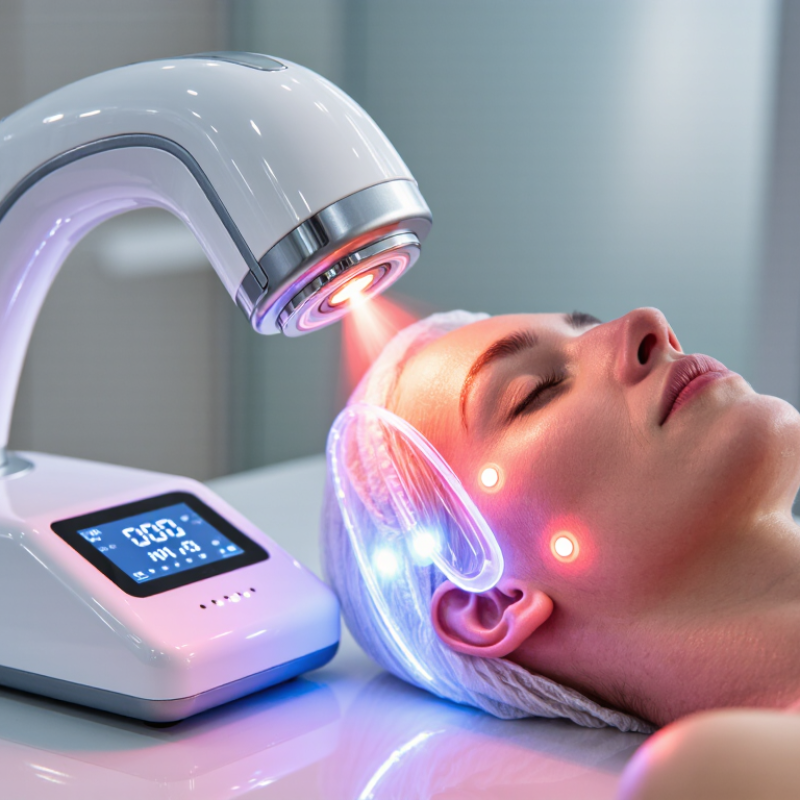
Table of Contents [Hide]
Definition and Purpose of Skin Light Therapy Devices
What Is a Skin Light Therapy Device and How Does It Work?
A skin light therapy device uses controlled light to support specific skin concerns. It may use red, blue, or near-infrared wavelengths. Each wavelength interacts with the skin differently. Devices designed for uneven tone aim to reduce the visible appearance of dark spots. They do not bleach the skin or permanently change its natural color. Some devices may also support calmer-looking skin or smoother texture. Their purpose depends on the light type, treatment strength, and intended use.
In professional practice, dermatologists assess pigmentation before recommending light-based care. Dark patches can have different causes, including sun exposure, inflammation, or hormonal changes. A home device usually delivers less energy than clinical equipment. Results may therefore appear slowly and unevenly. A warm panel can feel comfortable, but comfort does not prove effectiveness. Clinical evidence is still developing for some home applications. That uncertainty deserves attention.
Tips: Read the instructions carefully and protect your eyes as directed. Start with clean, dry skin and avoid longer sessions. Use sunscreen daily, because light exposure can worsen pigmentation. Test a small area first, especially if your skin reacts easily. Stop if you notice burning, swelling, or lasting redness. Ask a qualified dermatologist before use if you take light-sensitive medication. Results are not guaranteed, and a carefully chosen routine may still need adjustment.

© Copyright - Pro Tool & Supply - Site by SVM E-Marketing Solutions - Sitemap
- Privacy policy