- Products
- Air Compressors & Air Tools
- Climate Control
- Compaction Equipment
- Concrete Cutting Tools & Equipment
- Concrete and Masonry
- Demolition & Excavation
- Electrical & Mechanical
- Fasteners and Anchoring Adhesives
- Floor Protection
- Generators and Welders
- Hand Tools
- Heaters
- Janitorial and Office Supplies
- Jobsite Protection
- Ladders & Storage
- Lighting & Lighting Accessories
- Man Lifts
- Material Handling Equipment
- Power Tools
- Pressure Washers & Pumps
- Safety Gear
- Safety Products
- Saws
- Surface Preparation
- SEASONAL PRODUCTS
- Rentals
- Air Compressor and Air Tool Rentals
- Climate Control Rental
- Compaction Rentals
- Concrete Equipment Rentals
- Demolition & Excavation Equipment Rentals
- Concrete Floor Grinder Rentals
- General Construction Equipment Rentals
- Generator Rentals and Welder Rentals
- Heater Rentals
- Light Tower Rentals
- Man Lift Rentals in Massachusetts and Rhode Island
- Material Handling Equipment Rentals
- Pressure Washer & Pump Rentals
- Saw Rentals in New England
- SEASONAL PRODUCTS
- Products
- Air Compressors & Air Tools
- Climate Control
- Compaction Equipment
- Concrete Cutting Tools & Equipment
- Demolition & Excavation
- Electrical & Mechanical
- Floor Protection
- Generators and Welders
- Construction Heaters
- Construction Ladders, Staging, & Storage
- Construction Lighting
- Man Lifts
- Material Handling Equipment
- Industrial Janitorial and Office Supplies
- Pressure Washers & Pumps
- Construction Safety Products
- Construction Safety Gear
- Surface Preparation
- Building Protection
- Diesel Accessories
- Zero Emissions
- Rentals
- Air Compressor and Air Tool Rentals
- Climate Control Rental
- Compaction Rentals
- Concrete Equipment Rental
- Demolition & Excavation Equipment Rental
- General Construction Equipment Rental
- Generator Rentals and Welder Rentals
- Construction Heaters Rental
- Light Tower Rentals
- Man Lift Rentals
- Material Handling Equipment Rental
- Pressure Washer & Pump Rentals
- Saw Rentals in New England
- Concrete Floor Grinder Rentals
- Zero Emissions Rentals
- Repairs & Used
- Parts
- Blog
- Services
- Resources
- About Us
- Contact Us
Sales & Rental of Construction | Industrial Equipment & Supplies


Why Choose a Portable EV Charger for Your Electric Vehicle?
In recent years, the popularity of electric vehicles (EVs) has surged, with a reported growth of 43% in global sales in 2021 alone, according to the International Energy Agency. As more drivers make the switch to EVs, the demand for reliable charging solutions has increased. A Portable EV Charger offers flexibility, convenience, and peace of mind for EV owners. Experts like Dr. Sarah Jenkins, a leading figure in renewable energy technology, emphasize that "Portable EV Chargers provide necessary support for modern electric transportation."
Portable EV Chargers are a practical investment. They allow drivers to charge their vehicles virtually anywhere, eliminating anxiety about finding a charging station. The ability to connect to various power sources enhances accessibility, especially in remote areas. However, not all portable chargers are created equal. Selecting a quality charger is crucial, as subpar options can lead to inefficiencies.
While the benefits are clear, challenges remain. The market is flooded with choices, making selection overwhelming. Potential buyers should seek reliable information and expert opinions before committing. An informed decision can ensure that your Portable EV Charger meets your needs while contributing positively to the growing EV landscape.
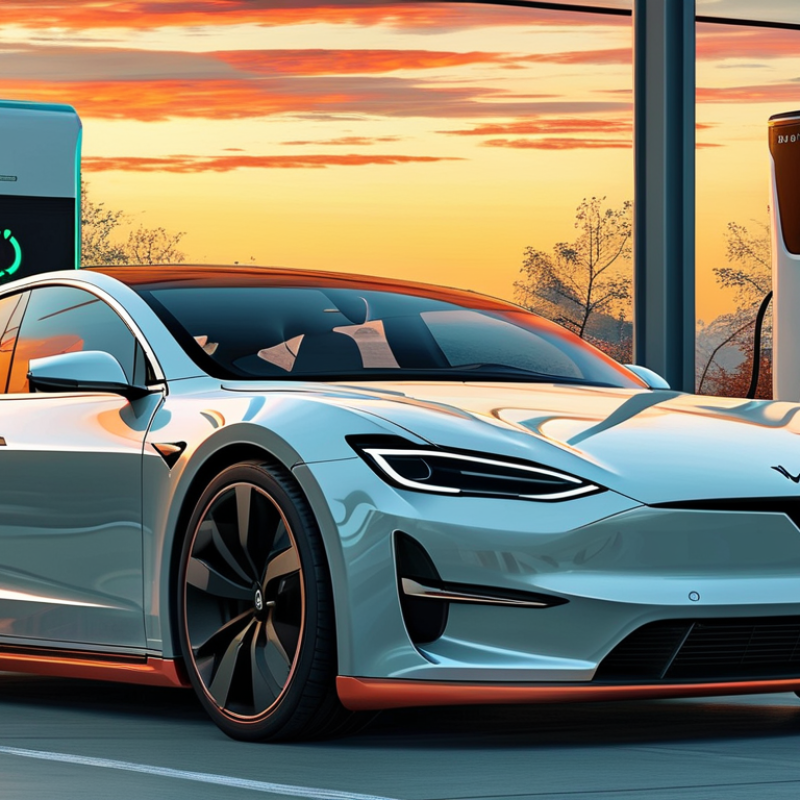
Table of Contents [Hide]
Benefits of Using a Portable EV Charger for Electric Vehicles
A portable EV charger offers several unique benefits for electric vehicle owners. One advantage is flexibility. You can charge your EV in various locations. Whether you're at home, workplace, or on a road trip, convenience is key. This means no reliance on fixed charging stations. It allows for charging in a pinch, especially during long drives or unexpected detours.
Another significant benefit is cost-effectiveness. Installing a permanent charging station may require high upfront costs. In contrast, a portable charger is more affordable and easy to obtain. While traveling, using public charging stations might incur additional fees. Having a portable option can reduce unnecessary expenses when a charging station is not readily available.
Moreover, it empowers users. The confidence to charge anywhere brings peace of mind. Yet, it's essential to recognize limitations. Not every portable charger works with every EV model. This could lead to frustration. Finding the right compatibility requires research and careful consideration. Balancing convenience and reliability is crucial for a seamless experience.

© Copyright - Pro Tool & Supply - Site by SVM E-Marketing Solutions - Sitemap
- Privacy policy