- Products
- Air Compressors & Air Tools
- Climate Control
- Compaction Equipment
- Concrete Cutting Tools & Equipment
- Concrete and Masonry
- Demolition & Excavation
- Electrical & Mechanical
- Fasteners and Anchoring Adhesives
- Floor Protection
- Generators and Welders
- Hand Tools
- Heaters
- Janitorial and Office Supplies
- Jobsite Protection
- Ladders & Storage
- Lighting & Lighting Accessories
- Man Lifts
- Material Handling Equipment
- Power Tools
- Pressure Washers & Pumps
- Safety Gear
- Safety Products
- Saws
- Surface Preparation
- SEASONAL PRODUCTS
- Rentals
- Air Compressor and Air Tool Rentals
- Climate Control Rental
- Compaction Rentals
- Concrete Equipment Rentals
- Demolition & Excavation Equipment Rentals
- Concrete Floor Grinder Rentals
- General Construction Equipment Rentals
- Generator Rentals and Welder Rentals
- Heater Rentals
- Light Tower Rentals
- Man Lift Rentals in Massachusetts and Rhode Island
- Material Handling Equipment Rentals
- Pressure Washer & Pump Rentals
- Saw Rentals in New England
- SEASONAL PRODUCTS
- Products
- Air Compressors & Air Tools
- Climate Control
- Compaction Equipment
- Concrete Cutting Tools & Equipment
- Demolition & Excavation
- Electrical & Mechanical
- Floor Protection
- Generators and Welders
- Construction Heaters
- Construction Ladders, Staging, & Storage
- Construction Lighting
- Man Lifts
- Material Handling Equipment
- Industrial Janitorial and Office Supplies
- Pressure Washers & Pumps
- Construction Safety Products
- Construction Safety Gear
- Surface Preparation
- Building Protection
- Diesel Accessories
- Zero Emissions
- Rentals
- Air Compressor and Air Tool Rentals
- Climate Control Rental
- Compaction Rentals
- Concrete Equipment Rental
- Demolition & Excavation Equipment Rental
- General Construction Equipment Rental
- Generator Rentals and Welder Rentals
- Construction Heaters Rental
- Light Tower Rentals
- Man Lift Rentals
- Material Handling Equipment Rental
- Pressure Washer & Pump Rentals
- Saw Rentals in New England
- Concrete Floor Grinder Rentals
- Zero Emissions Rentals
- Repairs & Used
- Parts
- Blog
- Services
- Resources
- About Us
- Contact Us
Sales & Rental of Construction | Industrial Equipment & Supplies


What Are Pharmaceutical Intermediates and How Are They Used?
Pharmaceutical Intermediates are the carefully controlled compounds made between starting materials and an active pharmaceutical ingredient (API). They are not usually the final medicine. Instead, they support the chemical pathway that creates it. A single intermediate may influence purity, yield, stability, and manufacturing consistency.
The term sounds simple. It is not.
In a modern facility, technicians may monitor temperature, reaction time, solvent quality, and agitation during each stage. They also examine impurity profiles, moisture levels, particle characteristics, and batch records. These details matter because a small variation in an intermediate can affect the final API. The material may be used in tablets, capsules, injections, or other regulated dosage forms.
Dr. Janet Woodcock, former director of the FDA’s Center for Drug Evaluation and Research, emphasized, “Quality cannot be tested into products; it should be built in.” This principle applies directly to Pharmaceutical Intermediates. Testing remains essential, but it cannot repair poor process design, weak supplier controls, or incomplete documentation.
Reliable production therefore combines chemistry, engineering, analytical science, and regulatory discipline. Manufacturers must identify critical process parameters and control potential impurities before they reach later stages. Good Manufacturing Practice expectations also require traceability from raw materials to released batches.
Yet not every intermediate deserves the same control strategy. Risk depends on its chemical behavior, process position, and potential impact on the API. That distinction is often overlooked. This article explores what Pharmaceutical Intermediates are, how manufacturers produce and evaluate them, and why their quality can shape the safety and reliability of finished medicines.
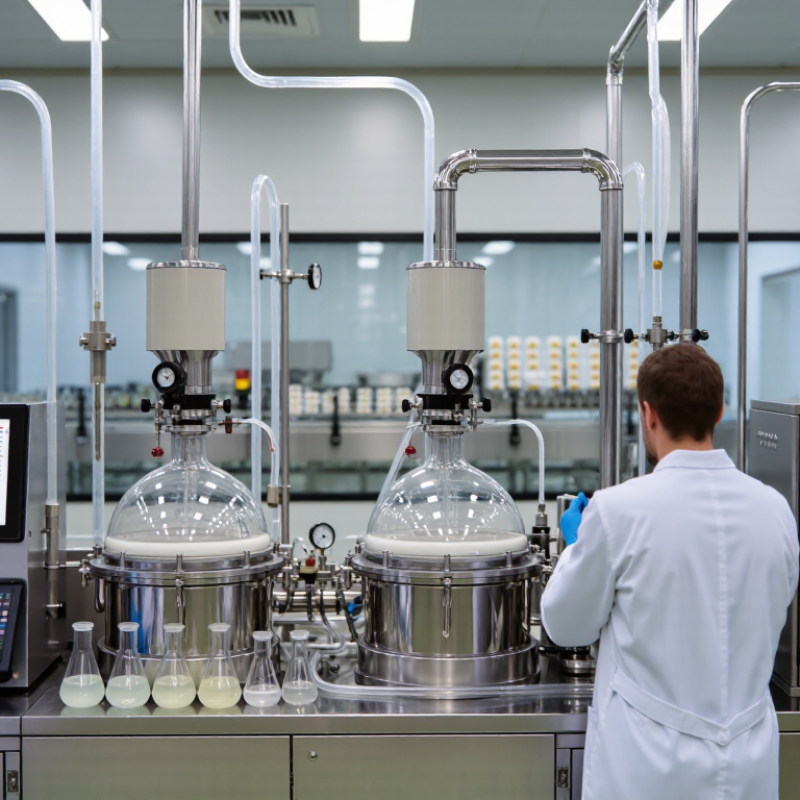
Table of Contents [Hide]
Definition and Role of Pharmaceutical Intermediates
Pharmaceutical intermediates are chemical compounds formed during the synthesis of an active pharmaceutical ingredient (API). They sit between starting materials and the final medicine component. An intermediate may be isolated, purified, tested, and stored before the next reaction. In other processes, it is used immediately without isolation. Its identity still matters.
Their role is both practical and scientific. Chemists use intermediates to build molecular structure step by step, while quality teams monitor purity, moisture, residual solvents, and related impurities. A well-defined intermediate can make production more consistent and easier to scale. It also helps manufacturers investigate unexpected results, such as a color change or a lower reaction yield. However, an intermediate is not automatically safe or suitable for medical use. It requires appropriate handling, documented specifications, and validated analytical methods.
Tips: Check the intermediate’s structure, purity limits, storage conditions, and analytical records before approving the next step. Keep clear batch history. Small data gaps can become large problems later.
In my experience, the most overlooked issue is not always chemical performance. It can be labeling, sampling, or incomplete temperature records. These details seem minor. They are not. Reliable intermediate control depends on trained personnel, suitable equipment, and procedures aligned with applicable quality standards. Some routes may also need redesign because a stable laboratory intermediate behaves poorly during commercial-scale processing.

© Copyright - Pro Tool & Supply - Site by SVM E-Marketing Solutions - Sitemap
- Privacy policy