- Products
- Air Compressors & Air Tools
- Climate Control
- Compaction Equipment
- Concrete Cutting Tools & Equipment
- Concrete and Masonry
- Demolition & Excavation
- Electrical & Mechanical
- Fasteners and Anchoring Adhesives
- Floor Protection
- Generators and Welders
- Hand Tools
- Heaters
- Janitorial and Office Supplies
- Jobsite Protection
- Ladders & Storage
- Lighting & Lighting Accessories
- Man Lifts
- Material Handling Equipment
- Power Tools
- Pressure Washers & Pumps
- Safety Gear
- Safety Products
- Saws
- Surface Preparation
- SEASONAL PRODUCTS
- Rentals
- Air Compressor and Air Tool Rentals
- Climate Control Rental
- Compaction Rentals
- Concrete Equipment Rentals
- Demolition & Excavation Equipment Rentals
- Concrete Floor Grinder Rentals
- General Construction Equipment Rentals
- Generator Rentals and Welder Rentals
- Heater Rentals
- Light Tower Rentals
- Man Lift Rentals in Massachusetts and Rhode Island
- Material Handling Equipment Rentals
- Pressure Washer & Pump Rentals
- Saw Rentals in New England
- SEASONAL PRODUCTS
- Products
- Air Compressors & Air Tools
- Climate Control
- Compaction Equipment
- Concrete Cutting Tools & Equipment
- Demolition & Excavation
- Electrical & Mechanical
- Floor Protection
- Generators and Welders
- Construction Heaters
- Construction Ladders, Staging, & Storage
- Construction Lighting
- Man Lifts
- Material Handling Equipment
- Industrial Janitorial and Office Supplies
- Pressure Washers & Pumps
- Construction Safety Products
- Construction Safety Gear
- Surface Preparation
- Building Protection
- Diesel Accessories
- Zero Emissions
- Rentals
- Air Compressor and Air Tool Rentals
- Climate Control Rental
- Compaction Rentals
- Concrete Equipment Rental
- Demolition & Excavation Equipment Rental
- General Construction Equipment Rental
- Generator Rentals and Welder Rentals
- Construction Heaters Rental
- Light Tower Rentals
- Man Lift Rentals
- Material Handling Equipment Rental
- Pressure Washer & Pump Rentals
- Saw Rentals in New England
- Concrete Floor Grinder Rentals
- Zero Emissions Rentals
- Repairs & Used
- Parts
- Blog
- Services
- Resources
- About Us
- Contact Us
Sales & Rental of Construction | Industrial Equipment & Supplies

7 Off Road Forklift Buying Tips for Global Buyers
Buying an Off Road Forklift is rarely a simple price comparison. A machine working on gravel, mud, slopes, or construction sites faces risks that warehouse trucks never meet. Tire design, ground clearance, drivetrain strength, lifting capacity, and operator visibility can decide whether a project moves smoothly or stops after one rainy morning.
Industry data supports careful planning. The World Industrial Truck Statistics (WITS) reports that global forklift deliveries have exceeded two million units in recent reporting years. That scale shows strong demand, but it also reveals a crowded and uneven market. Buyers must compare specifications, not marketing promises. The International Organization for Standardization’s ISO 5053-1 provides internationally recognized terminology for industrial trucks. Meanwhile, OSHA’s powered industrial truck guidance highlights training, stability, inspections, and safe operating practices in the United States. Local requirements still differ. A certificate accepted in one country may not satisfy another authority.
The seven buying tips in this guide focus on practical evidence. They examine terrain, load charts, engine or battery choices, attachments, service access, spare parts, and supplier credibility. Look closely. A forklift that lifts 5,000 kilograms on paper may handle far less on uneven ground or with a long attachment. That detail is easy to miss. It can become expensive. Buyers should request test results, maintenance records, warranty terms, and references from comparable sites. No checklist is perfect. Weather, operator habits, and poor route design can still undermine a good purchase. Careful buyers leave room for those uncomfortable questions.
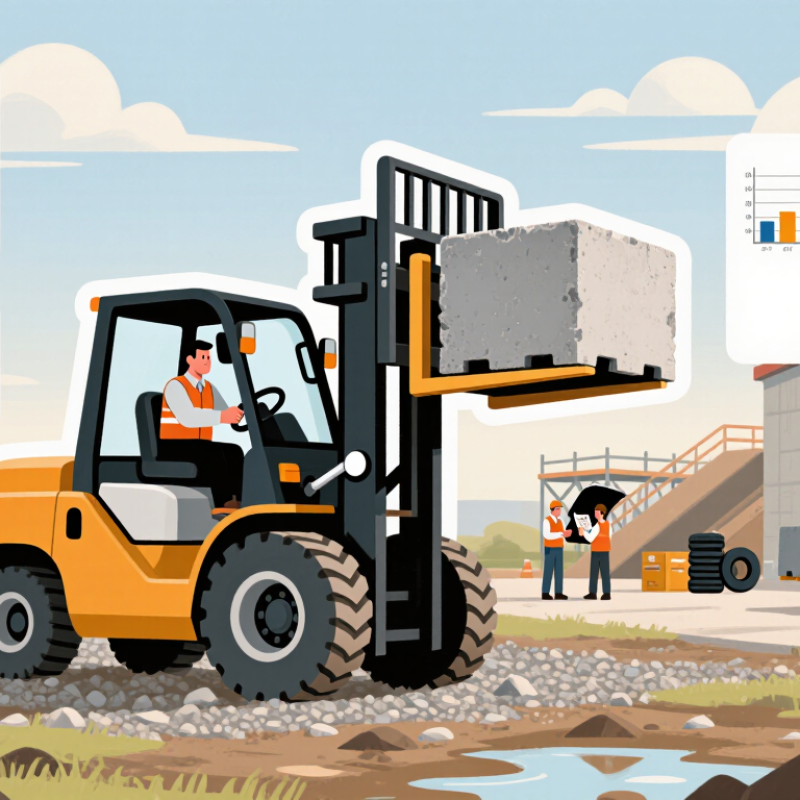
Table of Contents [Hide]
Define Your Load, Terrain, and Operating Requirements
7 Off Road Forklift Buying Tips for Global Buyers
Define Your Load, Terrain, and Operating Requirements
Buying an off-road forklift starts with the load, not the brochure. Record the heaviest pallet, its dimensions, center of gravity, and lifting height. A compact machine may handle 2,000 kilograms on paper, yet lose capacity when the load extends forward. Measure loading bays, ramps, and container openings before requesting quotes. Ask operators to demonstrate typical loads. Their practical observations often reveal awkward turning points that drawings miss.
Tip: Build a load profile from real shipments, not estimated averages. Include unusual loads, because occasional jobs can create daily safety problems.
Terrain deserves equal attention. Note slopes, mud, loose gravel, wet grass, and sharp changes between surfaces. Measure the steepest grade and identify areas where wheels may sink. Four-wheel drive can improve traction, but it does not replace ground preparation or careful speed control. Check chassis clearance and turning radius near storage racks. I have seen specifications look suitable until a forklift bottomed out at a drainage channel. That mistake was avoidable, but easy to miss during a quick site visit.
Tip: Test the forklift on your actual route. A dry afternoon proves little.
Operating requirements complete the picture. Estimate daily hours, climate exposure, operator skill, maintenance access, and transport limitations. Confirm mast height, attachment compatibility, visibility, braking performance, and emergency controls. Request test results under conditions resembling your site. Recheck assumptions after rain, with a full load, and during shift changes. Document every answer, including uncertainties, before comparing total ownership costs.
© Copyright - Pro Tool & Supply - Site by SVM E-Marketing Solutions - Sitemap
- Privacy policy