- Products
- Air Compressors & Air Tools
- Climate Control
- Compaction Equipment
- Concrete Cutting Tools & Equipment
- Concrete and Masonry
- Demolition & Excavation
- Electrical & Mechanical
- Fasteners and Anchoring Adhesives
- Floor Protection
- Generators and Welders
- Hand Tools
- Heaters
- Janitorial and Office Supplies
- Jobsite Protection
- Ladders & Storage
- Lighting & Lighting Accessories
- Man Lifts
- Material Handling Equipment
- Power Tools
- Pressure Washers & Pumps
- Safety Gear
- Safety Products
- Saws
- Surface Preparation
- SEASONAL PRODUCTS
- Rentals
- Air Compressor and Air Tool Rentals
- Climate Control Rental
- Compaction Rentals
- Concrete Equipment Rentals
- Demolition & Excavation Equipment Rentals
- Concrete Floor Grinder Rentals
- General Construction Equipment Rentals
- Generator Rentals and Welder Rentals
- Heater Rentals
- Light Tower Rentals
- Man Lift Rentals in Massachusetts and Rhode Island
- Material Handling Equipment Rentals
- Pressure Washer & Pump Rentals
- Saw Rentals in New England
- SEASONAL PRODUCTS
- Products
- Air Compressors & Air Tools
- Climate Control
- Compaction Equipment
- Concrete Cutting Tools & Equipment
- Demolition & Excavation
- Electrical & Mechanical
- Floor Protection
- Generators and Welders
- Construction Heaters
- Construction Ladders, Staging, & Storage
- Construction Lighting
- Man Lifts
- Material Handling Equipment
- Industrial Janitorial and Office Supplies
- Pressure Washers & Pumps
- Construction Safety Products
- Construction Safety Gear
- Surface Preparation
- Building Protection
- Diesel Accessories
- Zero Emissions
- Rentals
- Air Compressor and Air Tool Rentals
- Climate Control Rental
- Compaction Rentals
- Concrete Equipment Rental
- Demolition & Excavation Equipment Rental
- General Construction Equipment Rental
- Generator Rentals and Welder Rentals
- Construction Heaters Rental
- Light Tower Rentals
- Man Lift Rentals
- Material Handling Equipment Rental
- Pressure Washer & Pump Rentals
- Saw Rentals in New England
- Concrete Floor Grinder Rentals
- Zero Emissions Rentals
- Repairs & Used
- Parts
- Blog
- Services
- Resources
- About Us
- Contact Us
Sales & Rental of Construction | Industrial Equipment & Supplies


What is Metal Hydraulic Formed Bellows and Its Applications?
In the world of advanced engineering, "Metal Hydraulic-Formed Bellows" play a crucial role in various applications. These innovative components are designed to provide flexibility, accommodate movement, and absorb vibrations in machinery. Renowned expert Dr. Emily Stone, a leading figure in the field, once stated, "Metal Hydraulic-Formed Bellows are the backbone of modern hydraulic systems." This highlights their significance in enhancing the efficiency of numerous systems.
Metal Hydraulic-Formed Bellows are often found in industries such as aerospace, automotive, and manufacturing. Their ability to withstand high pressures and temperatures makes them indispensable. However, the manufacturing process requires precision and specialized knowledge, which not all companies possess. Some manufacturers may cut corners, leading to compromised quality.
The functionality of Metal Hydraulic-Formed Bellows also raises questions. While they are efficient, engineers often grapple with their longevity and maintenance challenges. It’s crucial to ensure that these components are produced with the highest standards. Only then can they truly fulfill their purpose in critical applications.
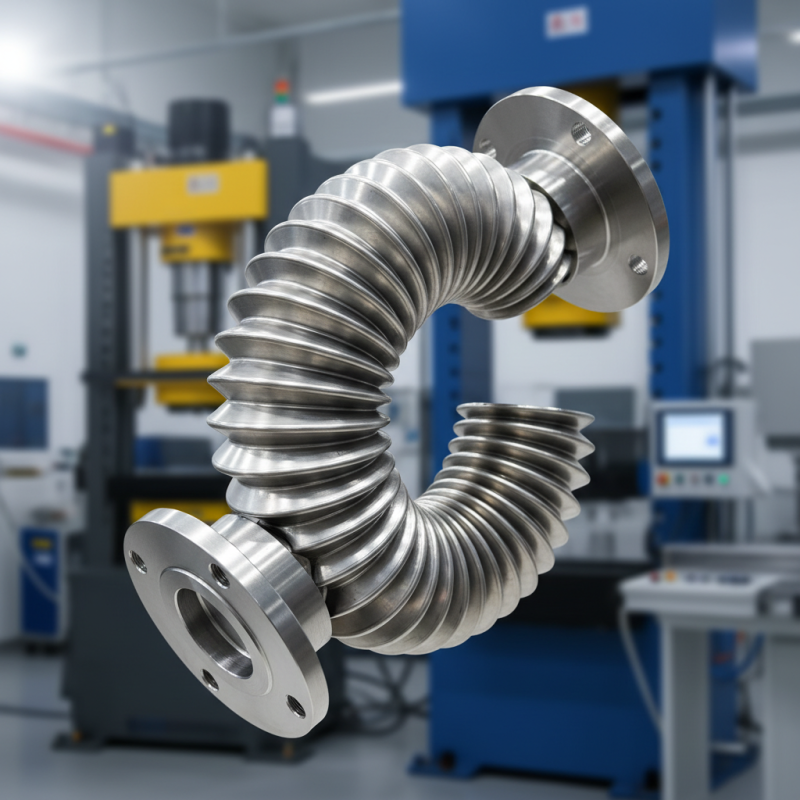
Table of Contents [Hide]
What are Metal Hydraulic Formed Bellows?
Metal hydraulic formed bellows are specialized components that provide flexibility and pressure resistance in various applications. They are engineered from durable metals, typically stainless steel, to withstand harsh environments. These bellows can compensate for axial, angular, and lateral movements in machinery. They function as seals and joints in hydraulic systems, allowing for efficient energy transfer while minimizing leaks.
The manufacturing process involves hydraulic forming techniques, which produce bellows with precise shapes. This ensures they can endure significant pressure and stress. Their design often includes convolutions that enhance their flexibility. However, creating these forms accurately can be challenging. Imperfections in the forming process might lead to weaknesses, affecting performance. Careful inspection is essential to ensure reliability in high-pressure scenarios. When specifying these bellows for applications, it’s crucial to consider the operating environment and required specifications closely.
Metal hydraulic formed bellows have applications in industries like aerospace, automotive, and HVAC systems. They play a vital role in fuel lines, exhaust systems, and hydraulic actuators. Each use case requires careful consideration of the material and shape to ensure optimal performance. Yet, some users face difficulties in selecting the appropriate bellows for specific needs. Understanding the nuances of design and material choice can greatly impact efficiency and durability in these critical situations.

© Copyright - Pro Tool & Supply - Site by SVM E-Marketing Solutions - Sitemap
- Privacy policy