- Products
- Air Compressors & Air Tools
- Climate Control
- Compaction Equipment
- Concrete Cutting Tools & Equipment
- Concrete and Masonry
- Demolition & Excavation
- Electrical & Mechanical
- Fasteners and Anchoring Adhesives
- Floor Protection
- Generators and Welders
- Hand Tools
- Heaters
- Janitorial and Office Supplies
- Jobsite Protection
- Ladders & Storage
- Lighting & Lighting Accessories
- Man Lifts
- Material Handling Equipment
- Power Tools
- Pressure Washers & Pumps
- Safety Gear
- Safety Products
- Saws
- Surface Preparation
- SEASONAL PRODUCTS
- Rentals
- Air Compressor and Air Tool Rentals
- Climate Control Rental
- Compaction Rentals
- Concrete Equipment Rentals
- Demolition & Excavation Equipment Rentals
- Concrete Floor Grinder Rentals
- General Construction Equipment Rentals
- Generator Rentals and Welder Rentals
- Heater Rentals
- Light Tower Rentals
- Man Lift Rentals in Massachusetts and Rhode Island
- Material Handling Equipment Rentals
- Pressure Washer & Pump Rentals
- Saw Rentals in New England
- SEASONAL PRODUCTS
- Products
- Air Compressors & Air Tools
- Climate Control
- Compaction Equipment
- Concrete Cutting Tools & Equipment
- Demolition & Excavation
- Electrical & Mechanical
- Floor Protection
- Generators and Welders
- Construction Heaters
- Construction Ladders, Staging, & Storage
- Construction Lighting
- Man Lifts
- Material Handling Equipment
- Industrial Janitorial and Office Supplies
- Pressure Washers & Pumps
- Construction Safety Products
- Construction Safety Gear
- Surface Preparation
- Building Protection
- Diesel Accessories
- Zero Emissions
- Rentals
- Air Compressor and Air Tool Rentals
- Climate Control Rental
- Compaction Rentals
- Concrete Equipment Rental
- Demolition & Excavation Equipment Rental
- General Construction Equipment Rental
- Generator Rentals and Welder Rentals
- Construction Heaters Rental
- Light Tower Rentals
- Man Lift Rentals
- Material Handling Equipment Rental
- Pressure Washer & Pump Rentals
- Saw Rentals in New England
- Concrete Floor Grinder Rentals
- Zero Emissions Rentals
- Repairs & Used
- Parts
- Blog
- Services
- Resources
- About Us
- Contact Us
Sales & Rental of Construction | Industrial Equipment & Supplies


What is a Mechanical Telescopic Mast and Its Uses?
The Mechanical Telescopic Mast is a fascinating innovation in the field of engineering and communication. According to Dr. Emily Carter, an expert in telecommunications engineering, "The Mechanical Telescopic Mast revolutionizes how we deploy antennas and other equipment." This technology allows for efficient elevation and retraction, offering versatility in various applications.
These masts can be found in many settings, from military operations to broadcast services. Their streamlined design and quick setup make them invaluable for mobile communication. Additionally, the ability to adjust height as needed provides flexibility unlike traditional structures. However, reliance on these structures poses challenges. Ensuring stability during adverse weather conditions is crucial and can test even the best designs.
As we explore the Mechanical Telescopic Mast, the advantages are clear. Yet, attention must be paid to potential mechanical failures as well. Understanding their limitations is essential for safe and effective use. Through this analysis, we will delve deeper into the mechanics and applications of this remarkable technology.
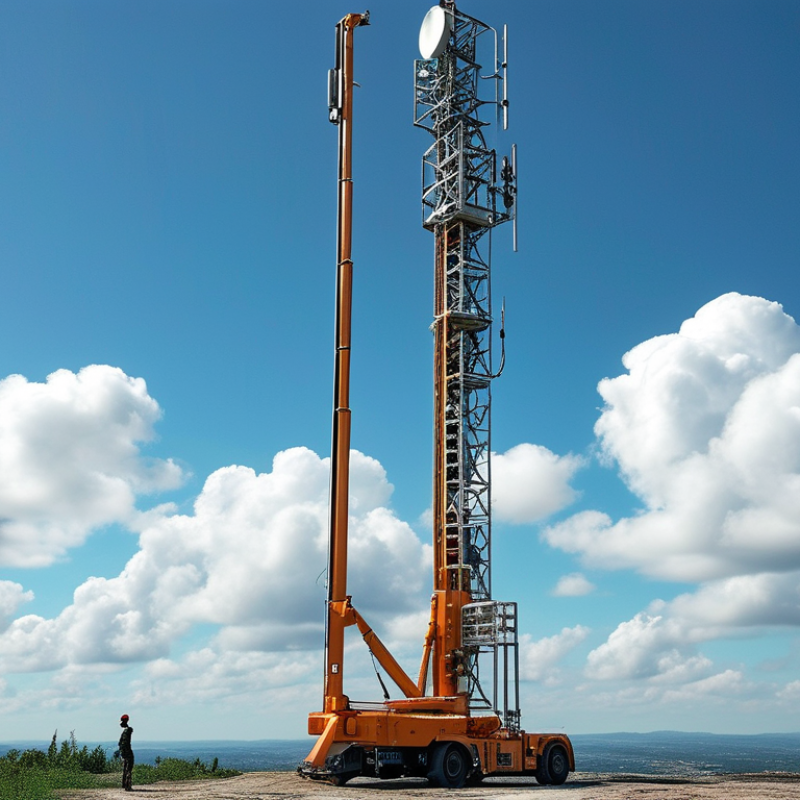
Table of Contents [Hide]
What is a Mechanical Telescopic Mast?
A mechanical telescopic mast is an impressive engineering device. It consists of several tubes that slide within each other, allowing for adjustable height. These masts find applications in various fields, including telecommunications, broadcasting, and surveillance. Their ability to extend and retract makes them highly functional in diverse environments.
When using a mechanical telescopic mast, consider its load capacity and stability. Ensure that the materials used are suitable for the environment. It’s crucial to conduct regular maintenance checks to avoid unexpected failures. A well-maintained mast can last longer and perform better.
Tips: Always secure the mast during adverse weather. This prevents accidents and prolongs its life. Understanding the mechanical components is vital for effective use. Mistakes in assembly can lead to instability. Be mindful of these factors to increase safety and efficiency in your operations.

© Copyright - Pro Tool & Supply - Site by SVM E-Marketing Solutions - Sitemap
- Privacy policy