- Products
- Air Compressors & Air Tools
- Climate Control
- Compaction Equipment
- Concrete Cutting Tools & Equipment
- Concrete and Masonry
- Demolition & Excavation
- Electrical & Mechanical
- Fasteners and Anchoring Adhesives
- Floor Protection
- Generators and Welders
- Hand Tools
- Heaters
- Janitorial and Office Supplies
- Jobsite Protection
- Ladders & Storage
- Lighting & Lighting Accessories
- Man Lifts
- Material Handling Equipment
- Power Tools
- Pressure Washers & Pumps
- Safety Gear
- Safety Products
- Saws
- Surface Preparation
- SEASONAL PRODUCTS
- Rentals
- Air Compressor and Air Tool Rentals
- Climate Control Rental
- Compaction Rentals
- Concrete Equipment Rentals
- Demolition & Excavation Equipment Rentals
- Concrete Floor Grinder Rentals
- General Construction Equipment Rentals
- Generator Rentals and Welder Rentals
- Heater Rentals
- Light Tower Rentals
- Man Lift Rentals in Massachusetts and Rhode Island
- Material Handling Equipment Rentals
- Pressure Washer & Pump Rentals
- Saw Rentals in New England
- SEASONAL PRODUCTS
- Products
- Air Compressors & Air Tools
- Climate Control
- Compaction Equipment
- Concrete Cutting Tools & Equipment
- Demolition & Excavation
- Electrical & Mechanical
- Floor Protection
- Generators and Welders
- Construction Heaters
- Construction Ladders, Staging, & Storage
- Construction Lighting
- Man Lifts
- Material Handling Equipment
- Industrial Janitorial and Office Supplies
- Pressure Washers & Pumps
- Construction Safety Products
- Construction Safety Gear
- Surface Preparation
- Building Protection
- Diesel Accessories
- Zero Emissions
- Rentals
- Air Compressor and Air Tool Rentals
- Climate Control Rental
- Compaction Rentals
- Concrete Equipment Rental
- Demolition & Excavation Equipment Rental
- General Construction Equipment Rental
- Generator Rentals and Welder Rentals
- Construction Heaters Rental
- Light Tower Rentals
- Man Lift Rentals
- Material Handling Equipment Rental
- Pressure Washer & Pump Rentals
- Saw Rentals in New England
- Concrete Floor Grinder Rentals
- Zero Emissions Rentals
- Repairs & Used
- Parts
- Blog
- Services
- Resources
- About Us
- Contact Us
Sales & Rental of Construction | Industrial Equipment & Supplies


What Is a Lithium Battery Pack and How Does It Work?
A Lithium Battery Pack is more than a group of cells inside a metal case. It is an engineered energy system that stores electricity chemically and releases it through controlled electrochemical reactions. Cells provide voltage and capacity, while modules, busbars, sensors, cooling paths, and a battery management system create a usable pack. In an electric vehicle, the pack may sit beneath the cabin floor, where hundreds of kilograms of cells deliver steady power to the motor.
Industry data shows why this technology matters. The International Energy Agency’s Global EV Outlook 2024 reported that global electric vehicle battery demand exceeded 750 GWh in 2023, rising by about 40% from the previous year. BloombergNEF’s 2024 Battery Price Survey recorded an average lithium-ion pack price of approximately $115 per kWh, a 20% annual decrease. These figures suggest improving scale and affordability, but they do not tell the whole story. Chemistry, temperature, charging habits, manufacturing quality, and pack design strongly affect real-world performance.
The basic process is straightforward. During charging, lithium ions move through the electrolyte toward the negative electrode. During discharge, they travel back while electrons move through the external circuit. That movement powers a vehicle, tool, or storage inverter. The BMS monitors voltage, temperature, current, and cell balance continuously. Small sensors matter.
Still, lithium battery packs are not automatically safe, durable, or efficient. Poor thermal control can accelerate degradation, while extreme cold can reduce available power. A reliable explanation must connect laboratory ratings with daily experience, including slower charging, reduced range, and capacity loss over time. This article examines how each component works and why careful engineering determines the pack’s practical value.
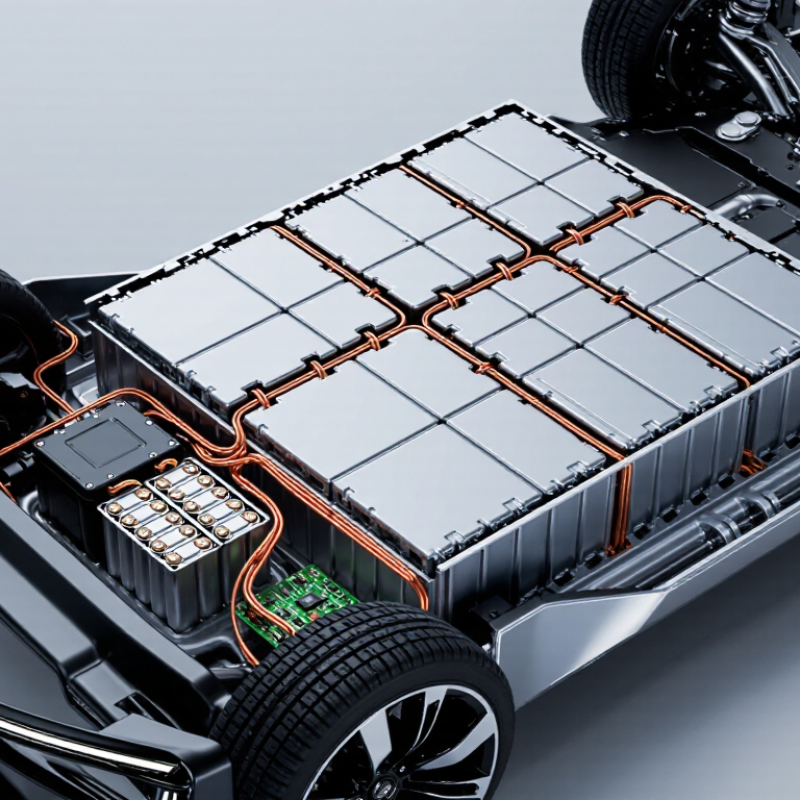
Table of Contents [Hide]
What Is a Lithium Battery Pack?
A lithium battery pack is an engineered energy system, not a single battery. It combines cells, electrical connections, sensors, protective housing, and a battery management system (BMS). Most packs use lithium-ion cells, where lithium ions move between electrodes during charging and discharging. The cells may look like small metal cylinders, flat pouches, or rigid prismatic blocks.
A pack connects cells in series and parallel. Series connections raise voltage, while parallel connections increase capacity and current delivery. The BMS monitors voltage, temperature, and current in real time. It can disconnect the pack when conditions become unsafe.
Thermal materials and cooling channels help control heat, especially during fast charging. In practical testing, a pack may deliver less energy than its label suggests. Cold weather, aging, and high loads all reduce usable capacity.
The International Energy Agency reported that global electric vehicle battery demand exceeded 750 GWh in 2023, rising by about 40% from 2022. This growth reflects larger packs and wider vehicle adoption, not a simple improvement in cell chemistry. BloombergNEF’s 2023 Battery Price Survey placed the average lithium-ion pack price at 139 dollars per kWh. Prices matter, but safety design matters more. A cheaper pack can become a poor investment if its sensors, insulation, or thermal controls are weak. Industry reports offer averages; real performance still depends on design, manufacturing quality, and operating conditions.

© Copyright - Pro Tool & Supply - Site by SVM E-Marketing Solutions - Sitemap
- Privacy policy