- Products
- Air Compressors & Air Tools
- Climate Control
- Compaction Equipment
- Concrete Cutting Tools & Equipment
- Concrete and Masonry
- Demolition & Excavation
- Electrical & Mechanical
- Fasteners and Anchoring Adhesives
- Floor Protection
- Generators and Welders
- Hand Tools
- Heaters
- Janitorial and Office Supplies
- Jobsite Protection
- Ladders & Storage
- Lighting & Lighting Accessories
- Man Lifts
- Material Handling Equipment
- Power Tools
- Pressure Washers & Pumps
- Safety Gear
- Safety Products
- Saws
- Surface Preparation
- SEASONAL PRODUCTS
- Rentals
- Air Compressor and Air Tool Rentals
- Climate Control Rental
- Compaction Rentals
- Concrete Equipment Rentals
- Demolition & Excavation Equipment Rentals
- Concrete Floor Grinder Rentals
- General Construction Equipment Rentals
- Generator Rentals and Welder Rentals
- Heater Rentals
- Light Tower Rentals
- Man Lift Rentals in Massachusetts and Rhode Island
- Material Handling Equipment Rentals
- Pressure Washer & Pump Rentals
- Saw Rentals in New England
- SEASONAL PRODUCTS
- Products
- Air Compressors & Air Tools
- Climate Control
- Compaction Equipment
- Concrete Cutting Tools & Equipment
- Demolition & Excavation
- Electrical & Mechanical
- Floor Protection
- Generators and Welders
- Construction Heaters
- Construction Ladders, Staging, & Storage
- Construction Lighting
- Man Lifts
- Material Handling Equipment
- Industrial Janitorial and Office Supplies
- Pressure Washers & Pumps
- Construction Safety Products
- Construction Safety Gear
- Surface Preparation
- Building Protection
- Diesel Accessories
- Zero Emissions
- Rentals
- Air Compressor and Air Tool Rentals
- Climate Control Rental
- Compaction Rentals
- Concrete Equipment Rental
- Demolition & Excavation Equipment Rental
- General Construction Equipment Rental
- Generator Rentals and Welder Rentals
- Construction Heaters Rental
- Light Tower Rentals
- Man Lift Rentals
- Material Handling Equipment Rental
- Pressure Washer & Pump Rentals
- Saw Rentals in New England
- Concrete Floor Grinder Rentals
- Zero Emissions Rentals
- Repairs & Used
- Parts
- Blog
- Services
- Resources
- About Us
- Contact Us
Sales & Rental of Construction | Industrial Equipment & Supplies


What Are the Top Types of Treatment Plants?
Treatment plants turn invisible infrastructure into visible protection: clear water at the kitchen tap, cleaner rivers, and safer reuse. Yet “treatment plant” describes several distinct systems, not one standard design. A drinking-water plant removes particles and microbes from source water. A municipal wastewater plant treats sewage before discharge or reuse. Industrial facilities address process-specific contaminants, while desalination plants remove salts from seawater or brackish water.
The need is substantial. The WHO and UNICEF Joint Monitoring Programme reported that 2.2 billion people lacked safely managed drinking water in 2022; 3.5 billion lacked safely managed sanitation. These figures describe service gaps, not simply a shortage of buildings. A plant’s performance also depends on its source water, treatment stages, operators, and maintenance. The stakes are tangible.
Columbia environmental engineer Dr. Kartik Chandran is a leading wastewater-treatment researcher whose work explores recovering useful resources from wastewater. His research reflects a valuable principle: wastewater can be more than a disposal problem. This guide compares the top types of Treatment Plant, including drinking-water, municipal wastewater, industrial wastewater, desalination, and water-reuse facilities. It will explain what each plant treats, which core processes it uses, and where its limits matter. The equipment differs. No single system fits every community or industry. The best choice depends on water quality, local needs, and the intended end use.
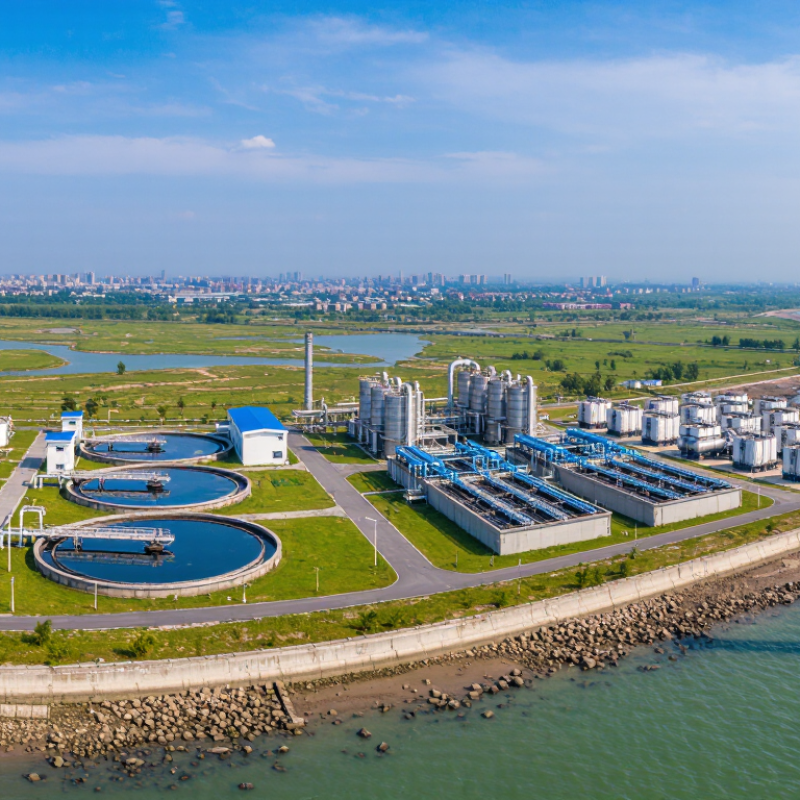
Table of Contents [Hide]
Municipal Wastewater Plants: 58% of Domestic Wastewater Was Safely Treated in 2022
Municipal wastewater plants collect sewage from homes, then remove solids, organic waste, and harmful microorganisms before discharge or reuse. The work is easy to overlook. It happens behind concrete tanks, screened channels, and quiet control rooms. Yet treatment performance varies, and a pipe connected to a plant does not guarantee that every wastewater flow is safely treated.
UN-Water’s Progress on Wastewater Treatment: 2024 Update reports that 58% of domestic wastewater was safely treated worldwide in 2022. That leaves a substantial share without verified safe treatment. The figure is a global estimate, not a measure of every town or facility, and monitoring gaps matter. The WHO and UNICEF Joint Monitoring Programme also estimated that 3.5 billion people lacked safely managed sanitation in 2022. These indicators describe related, but different, challenges. For plant operators, reliable sampling, maintenance, and transparent reporting are as important as adding treatment capacity. A missed test or overloaded settling tank can change what actually reaches a river. The headline number is useful, but it should prompt a closer look at local data.

© Copyright - Pro Tool & Supply - Site by SVM E-Marketing Solutions - Sitemap
- Privacy policy