- Products
- Air Compressors & Air Tools
- Climate Control
- Compaction Equipment
- Concrete Cutting Tools & Equipment
- Concrete and Masonry
- Demolition & Excavation
- Electrical & Mechanical
- Fasteners and Anchoring Adhesives
- Floor Protection
- Generators and Welders
- Hand Tools
- Heaters
- Janitorial and Office Supplies
- Jobsite Protection
- Ladders & Storage
- Lighting & Lighting Accessories
- Man Lifts
- Material Handling Equipment
- Power Tools
- Pressure Washers & Pumps
- Safety Gear
- Safety Products
- Saws
- Surface Preparation
- SEASONAL PRODUCTS
- Rentals
- Air Compressor and Air Tool Rentals
- Climate Control Rental
- Compaction Rentals
- Concrete Equipment Rentals
- Demolition & Excavation Equipment Rentals
- Concrete Floor Grinder Rentals
- General Construction Equipment Rentals
- Generator Rentals and Welder Rentals
- Heater Rentals
- Light Tower Rentals
- Man Lift Rentals in Massachusetts and Rhode Island
- Material Handling Equipment Rentals
- Pressure Washer & Pump Rentals
- Saw Rentals in New England
- SEASONAL PRODUCTS
- Products
- Air Compressors & Air Tools
- Climate Control
- Compaction Equipment
- Concrete Cutting Tools & Equipment
- Demolition & Excavation
- Electrical & Mechanical
- Floor Protection
- Generators and Welders
- Construction Heaters
- Construction Ladders, Staging, & Storage
- Construction Lighting
- Man Lifts
- Material Handling Equipment
- Industrial Janitorial and Office Supplies
- Pressure Washers & Pumps
- Construction Safety Products
- Construction Safety Gear
- Surface Preparation
- Building Protection
- Diesel Accessories
- Zero Emissions
- Rentals
- Air Compressor and Air Tool Rentals
- Climate Control Rental
- Compaction Rentals
- Concrete Equipment Rental
- Demolition & Excavation Equipment Rental
- General Construction Equipment Rental
- Generator Rentals and Welder Rentals
- Construction Heaters Rental
- Light Tower Rentals
- Man Lift Rentals
- Material Handling Equipment Rental
- Pressure Washer & Pump Rentals
- Saw Rentals in New England
- Concrete Floor Grinder Rentals
- Zero Emissions Rentals
- Repairs & Used
- Parts
- Blog
- Services
- Resources
- About Us
- Contact Us
Sales & Rental of Construction | Industrial Equipment & Supplies


What is an Industrial Conveyor Belt and Why Do You Need It?
Industrial Conveyor Belts play a crucial role in modern manufacturing and logistics. According to a report by MarketsandMarkets, the global industrial conveyor belt market is projected to reach $6.8 billion by 2025, growing at a CAGR of 3.8%. This growth illustrates the increasing reliance on these systems to improve efficiency and productivity.
Expert John Smith, a leading figure in conveyor technology, emphasizes, "Conveyor belts are essential for the seamless movement of goods in any industrial setup." His words underscore the critical nature of these systems. Industries of all kinds utilize conveyor belts for various functions, from transporting raw materials to packaging finished products.
However, the dependence on industrial conveyor belts raises concerns. Not every operation is equipped to handle the specialized needs of these systems. Proper maintenance is often overlooked, leading to costly downtimes. Businesses must reflect on their handling of conveyor belt technology and ensure they meet industry standards to avoid operational failures.
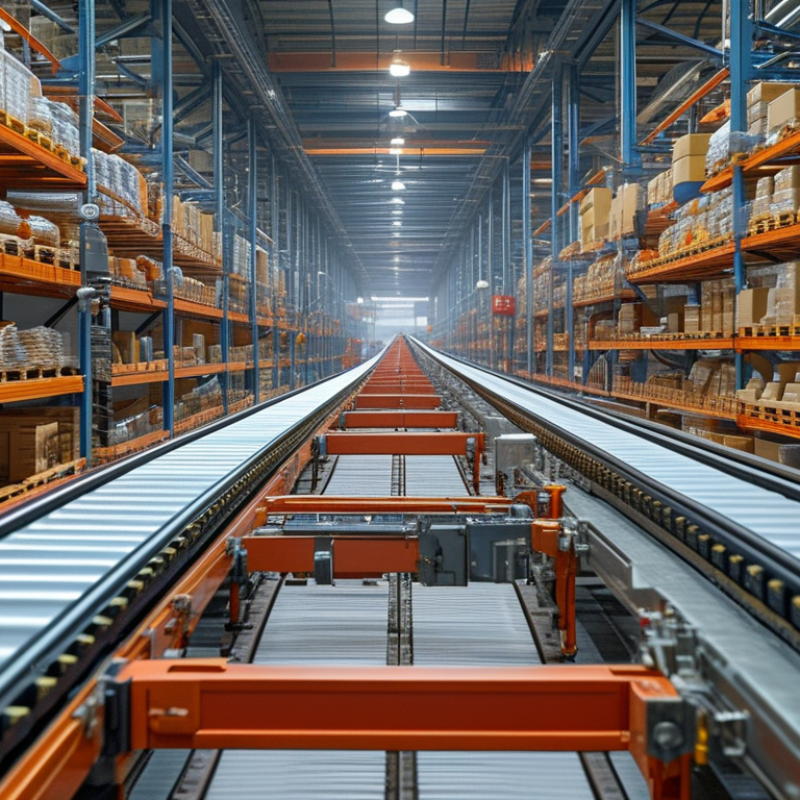
Table of Contents [Hide]
What is an Industrial Conveyor Belt?
An industrial conveyor belt is a vital component in many manufacturing and distribution processes. It is designed to transport materials or products efficiently. These belts come in various sizes and materials, tailored to different industries. From food processing to automotive manufacturing, their applications are extensive.
Tips: Regular maintenance is crucial. Check for wear and tear frequently. This simple step can prevent unexpected downtimes.
Made from rubber, metal, or plastic, conveyor belts ensure smooth operation. They reduce manual handling and improve workplace safety. However, choosing the right belt requires careful consideration. An incorrect choice can lead to inefficiencies and increased costs.
Tips: Understand your operational needs. Analyze the type of materials you will transport. This knowledge helps in selecting the ideal belt.
A well-functioning conveyor belt boosts productivity. Yet, training staff on its proper use is essential. Misuse can cause accidents and damage. Consider creating a manual for reference.

© Copyright - Pro Tool & Supply - Site by SVM E-Marketing Solutions - Sitemap
- Privacy policy