- Products
- Air Compressors & Air Tools
- Climate Control
- Compaction Equipment
- Concrete Cutting Tools & Equipment
- Concrete and Masonry
- Demolition & Excavation
- Electrical & Mechanical
- Fasteners and Anchoring Adhesives
- Floor Protection
- Generators and Welders
- Hand Tools
- Heaters
- Janitorial and Office Supplies
- Jobsite Protection
- Ladders & Storage
- Lighting & Lighting Accessories
- Man Lifts
- Material Handling Equipment
- Power Tools
- Pressure Washers & Pumps
- Safety Gear
- Safety Products
- Saws
- Surface Preparation
- SEASONAL PRODUCTS
- Rentals
- Air Compressor and Air Tool Rentals
- Climate Control Rental
- Compaction Rentals
- Concrete Equipment Rentals
- Demolition & Excavation Equipment Rentals
- Concrete Floor Grinder Rentals
- General Construction Equipment Rentals
- Generator Rentals and Welder Rentals
- Heater Rentals
- Light Tower Rentals
- Man Lift Rentals in Massachusetts and Rhode Island
- Material Handling Equipment Rentals
- Pressure Washer & Pump Rentals
- Saw Rentals in New England
- SEASONAL PRODUCTS
- Products
- Air Compressors & Air Tools
- Climate Control
- Compaction Equipment
- Concrete Cutting Tools & Equipment
- Demolition & Excavation
- Electrical & Mechanical
- Floor Protection
- Generators and Welders
- Construction Heaters
- Construction Ladders, Staging, & Storage
- Construction Lighting
- Man Lifts
- Material Handling Equipment
- Industrial Janitorial and Office Supplies
- Pressure Washers & Pumps
- Construction Safety Products
- Construction Safety Gear
- Surface Preparation
- Building Protection
- Diesel Accessories
- Zero Emissions
- Rentals
- Air Compressor and Air Tool Rentals
- Climate Control Rental
- Compaction Rentals
- Concrete Equipment Rental
- Demolition & Excavation Equipment Rental
- General Construction Equipment Rental
- Generator Rentals and Welder Rentals
- Construction Heaters Rental
- Light Tower Rentals
- Man Lift Rentals
- Material Handling Equipment Rental
- Pressure Washer & Pump Rentals
- Saw Rentals in New England
- Concrete Floor Grinder Rentals
- Zero Emissions Rentals
- Repairs & Used
- Parts
- Blog
- Services
- Resources
- About Us
- Contact Us
Sales & Rental of Construction | Industrial Equipment & Supplies


7 Indoor Isolating Switch Buying Tips for Global Buyers
Global electricity systems are becoming more distributed, automated, and demanding. The International Energy Agency’s Electricity 2024 report projects global electricity demand to grow by an average of about 4% annually through 2026. Meanwhile, IRENA reported that renewable energy added approximately 585 GW of capacity in 2024. These changes create more switching points inside factories, commercial buildings, substations, and renewable energy facilities.
That is where a reliable Indoor Isolating Switch matters. It provides visible or verifiable separation during maintenance, inspection, and fault isolation. Yet many global buyers focus only on rated current and purchase price. That approach can overlook altitude, humidity, enclosure protection, operating frequency, terminal design, and local installation practices. A switch that performs well in a clean European plant may behave differently in a dusty coastal facility.
Small details matter.
This guide presents seven practical buying tips for international purchasers. It connects product selection with recognized requirements, including IEC 60947-3 for low-voltage switchgear and IEC 62271-102 for high-voltage disconnectors and earthing switches, where applicable. Buyers should confirm the correct standard before comparing suppliers. Certification claims also deserve careful verification through test reports, traceable laboratory records, and clearly identified product models.
The process is not perfectly simple. A technically compliant product may still create installation delays or maintenance problems. That is why experience matters. Reviewing real operating conditions, supplier documentation, spare-parts support, and lifecycle risks can produce a safer and more dependable decision.
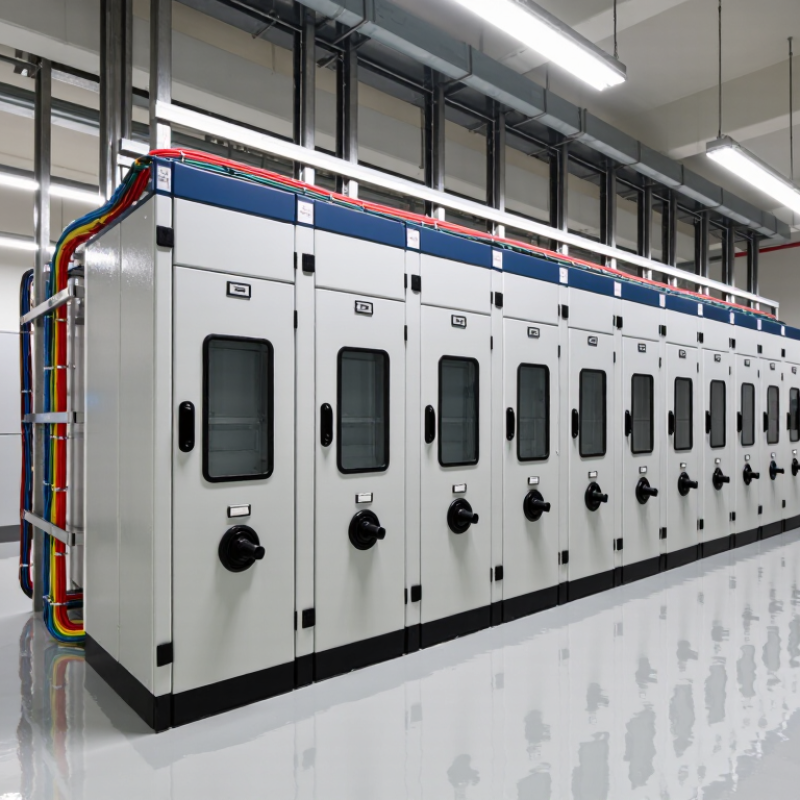
Table of Contents [Hide]
Define Indoor Isolating Switches and Their Main Applications
Indoor isolating switches are mechanical devices used to disconnect electrical equipment from its supply.
They create a clear isolation point for inspection, maintenance, or emergency access. Unlike circuit breakers, many isolating switches are not designed to interrupt fault current or heavy loads. The exact function depends on the rated design.
They are commonly installed inside distribution boards, motor control panels, transformer rooms, HVAC systems, and factory production lines. Data centers may use them near cooling equipment and backup power sections. A switch beside a motor can help technicians identify and isolate that motor without shutting down an entire facility. It should be easy to reach, clearly labeled, and compatible with the enclosure environment.
When evaluating one, check voltage, continuous current, number of poles, insulation level, and short-circuit withstand capacity. Mechanical endurance matters too. A stiff handle or weak interlock can create avoidable maintenance risk. Lockable handles support controlled isolation procedures, while auxiliary contacts can signal switch status remotely. Indoor use does not always mean low risk; dust, condensation, heat, and limited ventilation can still damage contacts.
One detail is easy to miss. The isolating switch must match the complete installation, not just the cable size. I have seen specifications focus heavily on current ratings while overlooking mounting space and terminal access. That approach needs rethinking. Clearance, labeling, enclosure protection, and local electrical requirements deserve equal attention.

© Copyright - Pro Tool & Supply - Site by SVM E-Marketing Solutions - Sitemap
- Privacy policy