- Products
- Air Compressors & Air Tools
- Climate Control
- Compaction Equipment
- Concrete Cutting Tools & Equipment
- Concrete and Masonry
- Demolition & Excavation
- Electrical & Mechanical
- Fasteners and Anchoring Adhesives
- Floor Protection
- Generators and Welders
- Hand Tools
- Heaters
- Janitorial and Office Supplies
- Jobsite Protection
- Ladders & Storage
- Lighting & Lighting Accessories
- Man Lifts
- Material Handling Equipment
- Power Tools
- Pressure Washers & Pumps
- Safety Gear
- Safety Products
- Saws
- Surface Preparation
- SEASONAL PRODUCTS
- Rentals
- Air Compressor and Air Tool Rentals
- Climate Control Rental
- Compaction Rentals
- Concrete Equipment Rentals
- Demolition & Excavation Equipment Rentals
- Concrete Floor Grinder Rentals
- General Construction Equipment Rentals
- Generator Rentals and Welder Rentals
- Heater Rentals
- Light Tower Rentals
- Man Lift Rentals in Massachusetts and Rhode Island
- Material Handling Equipment Rentals
- Pressure Washer & Pump Rentals
- Saw Rentals in New England
- SEASONAL PRODUCTS
- Products
- Air Compressors & Air Tools
- Climate Control
- Compaction Equipment
- Concrete Cutting Tools & Equipment
- Demolition & Excavation
- Electrical & Mechanical
- Floor Protection
- Generators and Welders
- Construction Heaters
- Construction Ladders, Staging, & Storage
- Construction Lighting
- Man Lifts
- Material Handling Equipment
- Industrial Janitorial and Office Supplies
- Pressure Washers & Pumps
- Construction Safety Products
- Construction Safety Gear
- Surface Preparation
- Building Protection
- Diesel Accessories
- Zero Emissions
- Rentals
- Air Compressor and Air Tool Rentals
- Climate Control Rental
- Compaction Rentals
- Concrete Equipment Rental
- Demolition & Excavation Equipment Rental
- General Construction Equipment Rental
- Generator Rentals and Welder Rentals
- Construction Heaters Rental
- Light Tower Rentals
- Man Lift Rentals
- Material Handling Equipment Rental
- Pressure Washer & Pump Rentals
- Saw Rentals in New England
- Concrete Floor Grinder Rentals
- Zero Emissions Rentals
- Repairs & Used
- Parts
- Blog
- Services
- Resources
- About Us
- Contact Us
Sales & Rental of Construction | Industrial Equipment & Supplies


Why Are PV Accessories Important for Solar Projects?
Why Are PV Accessories Important for Solar Projects? The answer begins beyond the panels themselves. A solar array is a working system, not a collection of modules. Pv Accessories connect, protect, support, and monitor that system. Mounting rails hold modules against wind and rain. Cables and connectors carry current through changing temperatures. Inverters, isolators, fuses, and surge protection devices help manage electrical risks when correctly selected and installed. Small parts matter.
On a rooftop, one loose connector can create heat, downtime, or a difficult inspection. A poorly sealed cable entry may let water reach the building envelope. A weak mounting point can transmit stress into roof materials. These details are not theoretical; installers often discover them during commissioning or routine maintenance. Product datasheets, compatibility checks, torque settings, and documented testing provide practical evidence of quality. Qualified professionals should follow applicable electrical and building requirements, manufacturer instructions, and project-specific engineering calculations. Reliable suppliers also offer traceability, clear warranties, and replacement support.
However, accessories do not automatically improve a project. More equipment can increase cost, installation time, and failure points. That is easy to overlook. A cheaper connector may appear sensible until labor costs rise after a fault. Conversely, premium components are not useful when they do not match the inverter, cable size, environment, or monitoring platform. Project teams should evaluate climate, fire exposure, maintenance access, expected loads, and future expansion. Field experience helps, but it can still contain assumptions. Reviewing test records and learning from installation mistakes leads to better decisions. Well-chosen Pv Accessories quietly protect performance long after the panels begin producing energy.
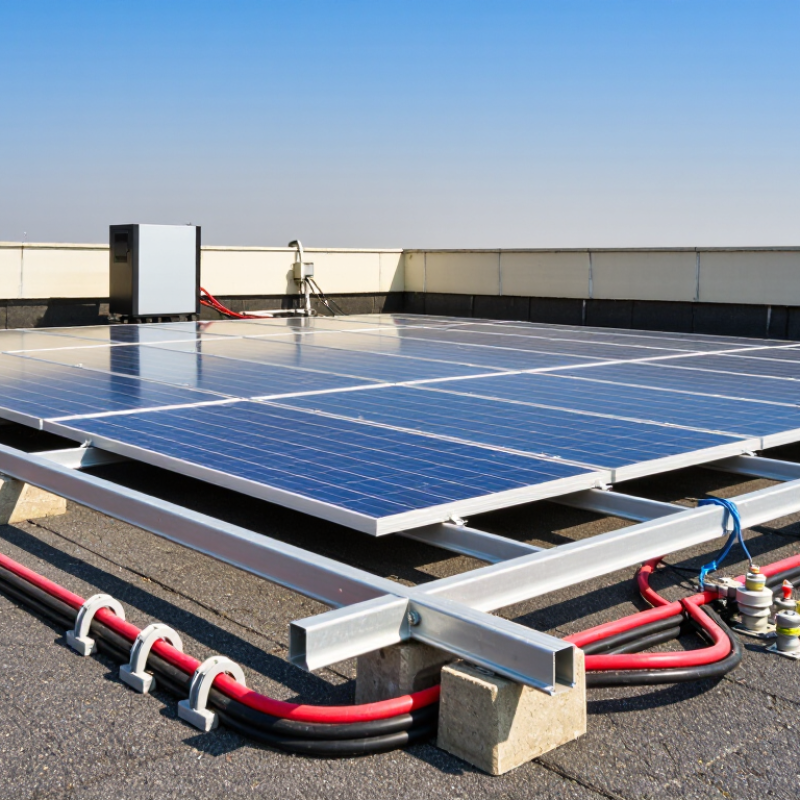
Table of Contents [Hide]
PV Accessories Drive Balance-of-System Costs Above 40% of PV CAPEX
PV accessories are often treated as minor hardware. They are not.
Mounting rails, cables, connectors, fuses, combiner boxes, grounding paths, and monitoring devices form the balance of system (BOS). They control how safely electricity moves from modules to the grid. According to the National Renewable Energy Laboratory’s 2024 PV System Cost Benchmark, non-module costs exceed 40% of utility-scale PV capital expenditure in many configurations. Accessories influence several of these cost categories, including structural work, electrical installation, and maintenance.
The International Renewable Energy Agency’s Renewable Power Generation Costs in 2023 also reported continuing declines in solar PV costs. This trend increases pressure on every non-module dollar. A cheaper connector may appear efficient, but poor compatibility can create hot spots, maintenance visits, or lost production. Field conditions matter. Dust, thermal cycling, wind loads, and water ingress rarely appear clearly in a spreadsheet.
The difficult part is timing. Accessory savings are visible immediately, while failures may appear years later. Project teams should compare lifecycle cost, installation time, replacement access, and documented compliance, not only unit price. Published benchmarks remain useful, but imperfect. Roof geometry, soil conditions, labor availability, and climate can change the real BOS cost substantially.

© Copyright - Pro Tool & Supply - Site by SVM E-Marketing Solutions - Sitemap
- Privacy policy