- Products
- Air Compressors & Air Tools
- Climate Control
- Compaction Equipment
- Concrete Cutting Tools & Equipment
- Concrete and Masonry
- Demolition & Excavation
- Electrical & Mechanical
- Fasteners and Anchoring Adhesives
- Floor Protection
- Generators and Welders
- Hand Tools
- Heaters
- Janitorial and Office Supplies
- Jobsite Protection
- Ladders & Storage
- Lighting & Lighting Accessories
- Man Lifts
- Material Handling Equipment
- Power Tools
- Pressure Washers & Pumps
- Safety Gear
- Safety Products
- Saws
- Surface Preparation
- SEASONAL PRODUCTS
- Rentals
- Air Compressor and Air Tool Rentals
- Climate Control Rental
- Compaction Rentals
- Concrete Equipment Rentals
- Demolition & Excavation Equipment Rentals
- Concrete Floor Grinder Rentals
- General Construction Equipment Rentals
- Generator Rentals and Welder Rentals
- Heater Rentals
- Light Tower Rentals
- Man Lift Rentals in Massachusetts and Rhode Island
- Material Handling Equipment Rentals
- Pressure Washer & Pump Rentals
- Saw Rentals in New England
- SEASONAL PRODUCTS
- Products
- Air Compressors & Air Tools
- Climate Control
- Compaction Equipment
- Concrete Cutting Tools & Equipment
- Demolition & Excavation
- Electrical & Mechanical
- Floor Protection
- Generators and Welders
- Construction Heaters
- Construction Ladders, Staging, & Storage
- Construction Lighting
- Man Lifts
- Material Handling Equipment
- Industrial Janitorial and Office Supplies
- Pressure Washers & Pumps
- Construction Safety Products
- Construction Safety Gear
- Surface Preparation
- Building Protection
- Diesel Accessories
- Zero Emissions
- Rentals
- Air Compressor and Air Tool Rentals
- Climate Control Rental
- Compaction Rentals
- Concrete Equipment Rental
- Demolition & Excavation Equipment Rental
- General Construction Equipment Rental
- Generator Rentals and Welder Rentals
- Construction Heaters Rental
- Light Tower Rentals
- Man Lift Rentals
- Material Handling Equipment Rental
- Pressure Washer & Pump Rentals
- Saw Rentals in New England
- Concrete Floor Grinder Rentals
- Zero Emissions Rentals
- Repairs & Used
- Parts
- Blog
- Services
- Resources
- About Us
- Contact Us
Sales & Rental of Construction | Industrial Equipment & Supplies


How to Choose the Right Coil Spring for Your Needs?
A Coil Spring does more than hold weight. It stores energy, controls movement, and helps equipment return to position. Choosing one by appearance alone can lead to poor fit, noisy operation, or early wear. Small details matter. A few millimeters in free length or a modest change in wire diameter can affect how a spring behaves under load.
Start with the job the spring must do. Note the working load, available space, travel distance, and how often the spring will cycle. These details help narrow the choices for spring rate, dimensions, and material. Check the manufacturer’s load and deflection data rather than relying on a visual estimate. If the spring operates near its compressed limit, confirm that it will not bind or take a permanent set. That point is easy to overlook.
The environment matters, too. Moisture, heat, dust, and repeated impact can change how long a spring performs reliably. Match the material and finish to the conditions, and inspect the ends and seating surfaces for a secure fit. For a replacement, compare the original specifications where available; an identical-looking part may not have the same rate. When loads or failure consequences are significant, ask a qualified supplier or engineer to review the selection. Measurements can be imperfect. Record them, check them again, and test the chosen spring in the actual assembly when practical. A careful choice begins with clear requirements, not guesswork.
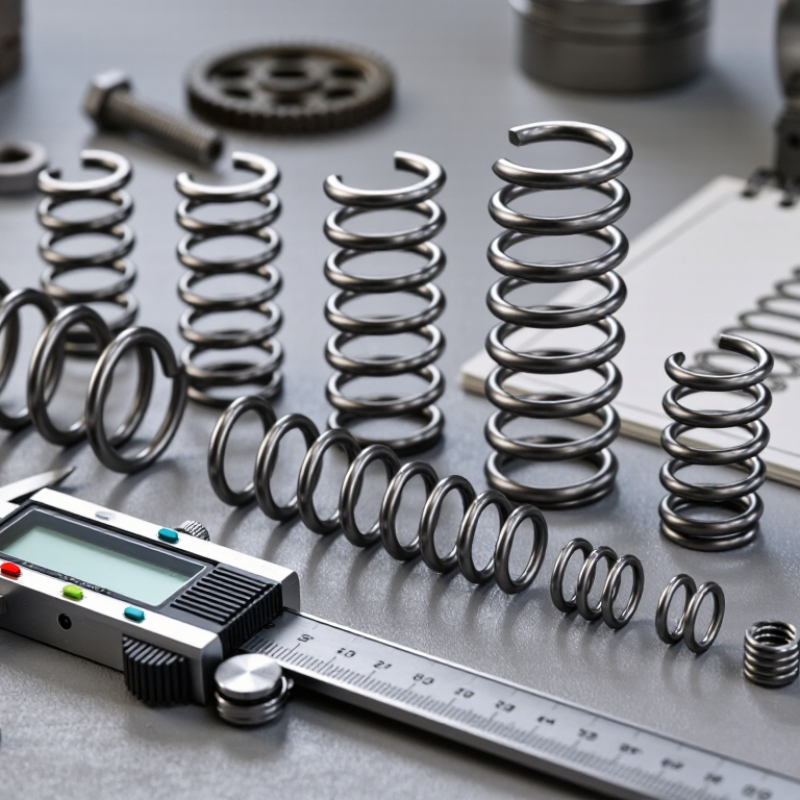
Table of Contents [Hide]
Identify the Load and Operating Conditions
How to Choose the Right Coil Spring for Your Needs?
Identify the Load and Operating Conditions
Start by measuring the force the spring must support, not just the weight of the part. A static load differs from a load that repeatedly rises and falls. Note the working load, available travel, and spring height at full compression. For example, a mechanism that moves 20 millimeters every cycle may need different fatigue performance than one that stays compressed all day. Small details matter.
Temperature, moisture, dust, and vibration also affect spring performance. Heat can change a spring’s strength, while corrosive surroundings may shorten its service life. Check how often the spring will cycle and whether sudden impacts are likely. If the operating conditions are uncertain, say so; selecting from guessed values can lead to early failure. I have seen specifications miss the occasional hard stop. That matters.
Tips: Record minimum and maximum loads, cycle frequency, available space, and environmental conditions. Measure the installed spring if possible, and verify its dimensions against the equipment drawing. Leave room for safe compression; a spring pushed solid can deform or break. If the load varies widely, discuss the range with a qualified spring supplier or engineer before choosing a rate.

© Copyright - Pro Tool & Supply - Site by SVM E-Marketing Solutions - Sitemap
- Privacy policy