- Products
- Air Compressors & Air Tools
- Climate Control
- Compaction Equipment
- Concrete Cutting Tools & Equipment
- Concrete and Masonry
- Demolition & Excavation
- Electrical & Mechanical
- Fasteners and Anchoring Adhesives
- Floor Protection
- Generators and Welders
- Hand Tools
- Heaters
- Janitorial and Office Supplies
- Jobsite Protection
- Ladders & Storage
- Lighting & Lighting Accessories
- Man Lifts
- Material Handling Equipment
- Power Tools
- Pressure Washers & Pumps
- Safety Gear
- Safety Products
- Saws
- Surface Preparation
- SEASONAL PRODUCTS
- Rentals
- Air Compressor and Air Tool Rentals
- Climate Control Rental
- Compaction Rentals
- Concrete Equipment Rentals
- Demolition & Excavation Equipment Rentals
- Concrete Floor Grinder Rentals
- General Construction Equipment Rentals
- Generator Rentals and Welder Rentals
- Heater Rentals
- Light Tower Rentals
- Man Lift Rentals in Massachusetts and Rhode Island
- Material Handling Equipment Rentals
- Pressure Washer & Pump Rentals
- Saw Rentals in New England
- SEASONAL PRODUCTS
- Products
- Air Compressors & Air Tools
- Climate Control
- Compaction Equipment
- Concrete Cutting Tools & Equipment
- Demolition & Excavation
- Electrical & Mechanical
- Floor Protection
- Generators and Welders
- Construction Heaters
- Construction Ladders, Staging, & Storage
- Construction Lighting
- Man Lifts
- Material Handling Equipment
- Industrial Janitorial and Office Supplies
- Pressure Washers & Pumps
- Construction Safety Products
- Construction Safety Gear
- Surface Preparation
- Building Protection
- Diesel Accessories
- Zero Emissions
- Rentals
- Air Compressor and Air Tool Rentals
- Climate Control Rental
- Compaction Rentals
- Concrete Equipment Rental
- Demolition & Excavation Equipment Rental
- General Construction Equipment Rental
- Generator Rentals and Welder Rentals
- Construction Heaters Rental
- Light Tower Rentals
- Man Lift Rentals
- Material Handling Equipment Rental
- Pressure Washer & Pump Rentals
- Saw Rentals in New England
- Concrete Floor Grinder Rentals
- Zero Emissions Rentals
- Repairs & Used
- Parts
- Blog
- Services
- Resources
- About Us
- Contact Us
Sales & Rental of Construction | Industrial Equipment & Supplies


How to Choose a Car Elevator Platform?
Choosing a Car Elevator Platform is not merely a matter of comparing prices and photographs. The right system must match the building, vehicle type, traffic pattern, and daily operating demands. A platform that lifts one compact car may struggle with a larger SUV, especially when passengers and luggage are included. Measure the shaft width, travel height, entrance clearance, and available headroom carefully. Small errors matter.
This guide explains how to evaluate load capacity, platform size, lifting speed, drive type, and safety equipment. Hydraulic and electric systems offer different maintenance needs, noise levels, and installation requirements. Door interlocks, emergency lowering, anti-drop protection, control access, and obstruction sensors deserve close attention. Ask manufacturers for engineering drawings, test information, maintenance schedules, and clear warranty terms. A polished brochure is not proof of performance. Real documentation is stronger.
Experienced installers can identify practical issues that product pages often miss. For example, a narrow approach may force difficult steering angles, while poor drainage can shorten equipment life. A site inspection is valuable. So is speaking with facility managers who use similar systems every day. No platform fits every project. I have seen buyers focus on lifting speed and regret ignoring service access. That mistake is easy to make. Reliable decisions come from measured requirements, qualified advice, and honest review of long-term operating costs. The final choice should support safe, predictable vehicle movement for years, not simply look impressive on installation day.
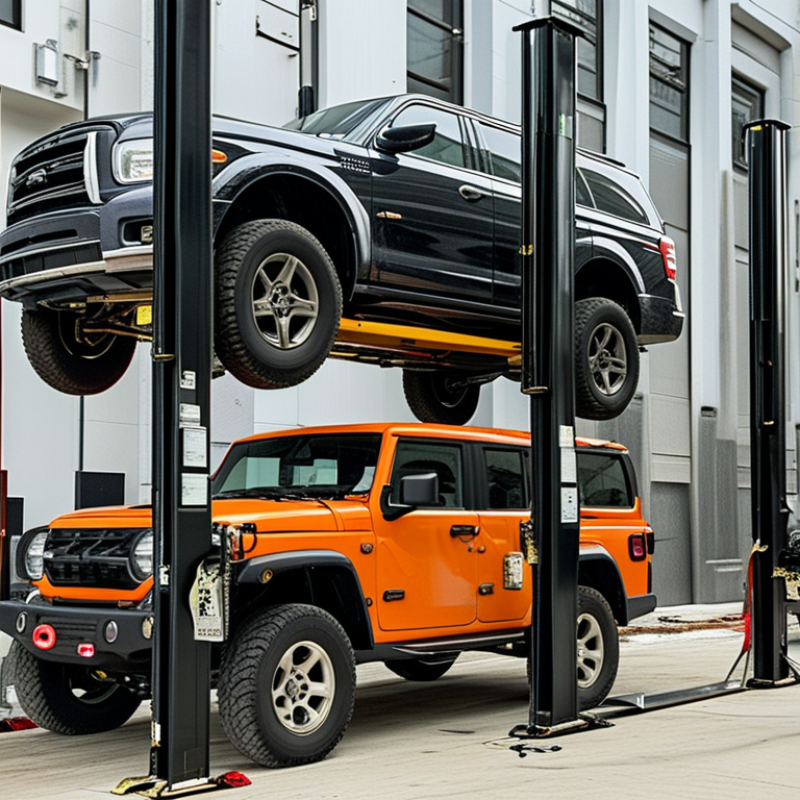
Table of Contents [Hide]
Identify the Vehicle and Site Requirements
Choosing a Car Elevator Platform: Identify the Vehicle and Site Requirements
Choosing a car elevator starts with the vehicle, not the platform. During site inspections, I record the vehicle’s length, width, height, wheelbase, and gross weight. I also check mirrors, roof accessories, tire width, and turning radius. A platform may carry the stated weight yet feel unsuitable for a large electric vehicle. Leave practical clearance around every side. Do not design around one familiar sedan.
The site creates different constraints. Measure the shaft opening, pit depth, overhead clearance, travel distance, and landing levels. Check the approach path with a real vehicle, not only a floor plan. Sharp turns, narrow gates, columns, and sloping floors can defeat a technically correct layout. Basement projects need careful drainage and waterproofing. Outdoor installations require protection from rain, dust, and temperature changes. Electrical capacity and emergency access also deserve early review.
I once underestimated mirror clearance because the drawing showed only the body width. That small mistake forced a costly revision. It taught me to measure the widest operating profile. Ask a qualified engineer to verify structural loads, anchoring, safety devices, and local building requirements. Request clear load charts and operating limits from the equipment supplier. Test the plan with the heaviest expected vehicle and an inexperienced driver. Human behavior is part of the specification. Recheck every measurement before ordering. A few millimeters can matter.

© Copyright - Pro Tool & Supply - Site by SVM E-Marketing Solutions - Sitemap
- Privacy policy