- Products
- Air Compressors & Air Tools
- Climate Control
- Compaction Equipment
- Concrete Cutting Tools & Equipment
- Concrete and Masonry
- Demolition & Excavation
- Electrical & Mechanical
- Fasteners and Anchoring Adhesives
- Floor Protection
- Generators and Welders
- Hand Tools
- Heaters
- Janitorial and Office Supplies
- Jobsite Protection
- Ladders & Storage
- Lighting & Lighting Accessories
- Man Lifts
- Material Handling Equipment
- Power Tools
- Pressure Washers & Pumps
- Safety Gear
- Safety Products
- Saws
- Surface Preparation
- SEASONAL PRODUCTS
- Rentals
- Air Compressor and Air Tool Rentals
- Climate Control Rental
- Compaction Rentals
- Concrete Equipment Rentals
- Demolition & Excavation Equipment Rentals
- Concrete Floor Grinder Rentals
- General Construction Equipment Rentals
- Generator Rentals and Welder Rentals
- Heater Rentals
- Light Tower Rentals
- Man Lift Rentals in Massachusetts and Rhode Island
- Material Handling Equipment Rentals
- Pressure Washer & Pump Rentals
- Saw Rentals in New England
- SEASONAL PRODUCTS
- Products
- Air Compressors & Air Tools
- Climate Control
- Compaction Equipment
- Concrete Cutting Tools & Equipment
- Demolition & Excavation
- Electrical & Mechanical
- Floor Protection
- Generators and Welders
- Construction Heaters
- Construction Ladders, Staging, & Storage
- Construction Lighting
- Man Lifts
- Material Handling Equipment
- Industrial Janitorial and Office Supplies
- Pressure Washers & Pumps
- Construction Safety Products
- Construction Safety Gear
- Surface Preparation
- Building Protection
- Diesel Accessories
- Zero Emissions
- Rentals
- Air Compressor and Air Tool Rentals
- Climate Control Rental
- Compaction Rentals
- Concrete Equipment Rental
- Demolition & Excavation Equipment Rental
- General Construction Equipment Rental
- Generator Rentals and Welder Rentals
- Construction Heaters Rental
- Light Tower Rentals
- Man Lift Rentals
- Material Handling Equipment Rental
- Pressure Washer & Pump Rentals
- Saw Rentals in New England
- Concrete Floor Grinder Rentals
- Zero Emissions Rentals
- Repairs & Used
- Parts
- Blog
- Services
- Resources
- About Us
- Contact Us
Sales & Rental of Construction | Industrial Equipment & Supplies


2026 How to Choose the Best Relative Humidity Controller?
In the quest for optimal indoor air quality, choosing the right Relative Humidity Controller is crucial. According to a report by TechSci Research, the global market for humidity controllers is expected to witness significant growth, driven by increasing awareness of health and comfort. This emphasizes the need for effective humidity management in various sectors, including residential, commercial, and industrial applications.
Dr. Emily Foster, a noted expert in environmental controls, once stated, “Selecting the appropriate Relative Humidity Controller can dramatically enhance both comfort and energy efficiency.” Her insights underline the significance of making informed choices in this area.
Not all controllers are created equal. Factors such as responsiveness, precision, and ease of use must be evaluated. Furthermore, different environments may require unique solutions. Spare some thought for the long-term impacts on energy consumption and maintenance costs. These considerations can refine decision-making, ensuring the right fit for specific needs.
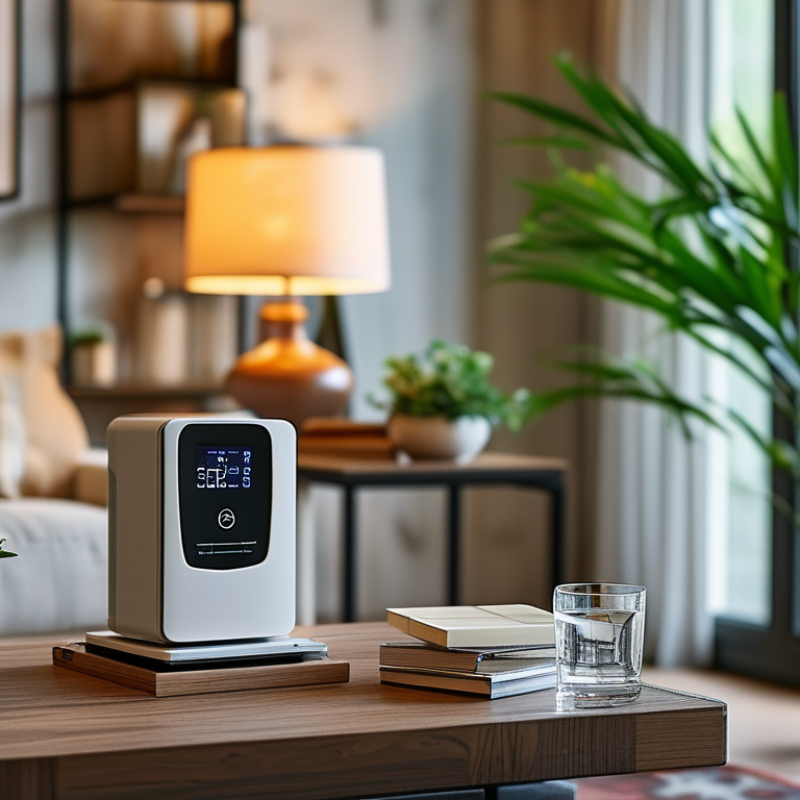
Table of Contents [Hide]
Understanding Relative Humidity and Its Importance
Understanding relative humidity is crucial for various environments. It refers to the amount of moisture in the air compared to what the air can hold at a specific temperature. According to the American Society of Heating, Refrigerating and Air-Conditioning Engineers, maintaining a relative humidity level between 30-50% is ideal for human comfort and health. High humidity can encourage mold growth and dust mites, while low humidity can lead to respiratory issues.
Tips: Monitor humidity with reliable sensors. Regular checks help prevent issues. Consider your specific environment when setting humidity levels. It's essential to customize your approach depending on factors like the space's use and materials present.
Different industries have varying humidity requirements. For example, in museums, humidity and temperature control can preserve artifacts. In agriculture, optimal levels are vital for crop quality. The National Institute of Standards and Technology suggests that maintaining these levels can enhance product durability and minimize loss.
Tips: Understand the specific needs of your environment. A one-size-fits-all approach may not work for everyone. Invest in education about the importance of humidity control for long-term benefits. Monitor environmental changes and adjust accordingly to ensure optimal conditions.
2026 How to Choose the Best Relative Humidity Controller?
| Feature | Description | Importance | Considerations |
|---|---|---|---|
| Humidity Range | The operational humidity range the controller can maintain | Essential for ensuring optimal conditions in a specific environment | Choose based on your application needs (e.g., agriculture, preservation) |
| Accuracy | Precision in measuring and controlling humidity levels | High accuracy ensures minimal fluctuations that can affect environments | Look for controllers with a low margin of error |
| Control Method | Methods used to adjust humidity (e.g., mechanical, electronic) | Different methods can affect reliability and efficiency | Consider maintenance requirements for different methods |
| User Interface | Ease of use and accessibility of controls | Helps in quick adjustments and monitoring | Check for digital displays and remote sensing options |
| Cost | Initial pricing versus long-term operational expenses | Budget considerations and return on investment | Balance upfront costs with potential savings |

© Copyright - Pro Tool & Supply - Site by SVM E-Marketing Solutions - Sitemap
- Privacy policy