- Products
- Air Compressors & Air Tools
- Climate Control
- Compaction Equipment
- Concrete Cutting Tools & Equipment
- Concrete and Masonry
- Demolition & Excavation
- Electrical & Mechanical
- Fasteners and Anchoring Adhesives
- Floor Protection
- Generators and Welders
- Hand Tools
- Heaters
- Janitorial and Office Supplies
- Jobsite Protection
- Ladders & Storage
- Lighting & Lighting Accessories
- Man Lifts
- Material Handling Equipment
- Power Tools
- Pressure Washers & Pumps
- Safety Gear
- Safety Products
- Saws
- Surface Preparation
- SEASONAL PRODUCTS
- Rentals
- Air Compressor and Air Tool Rentals
- Climate Control Rental
- Compaction Rentals
- Concrete Equipment Rentals
- Demolition & Excavation Equipment Rentals
- Concrete Floor Grinder Rentals
- General Construction Equipment Rentals
- Generator Rentals and Welder Rentals
- Heater Rentals
- Light Tower Rentals
- Man Lift Rentals in Massachusetts and Rhode Island
- Material Handling Equipment Rentals
- Pressure Washer & Pump Rentals
- Saw Rentals in New England
- SEASONAL PRODUCTS
- Products
- Air Compressors & Air Tools
- Climate Control
- Compaction Equipment
- Concrete Cutting Tools & Equipment
- Demolition & Excavation
- Electrical & Mechanical
- Floor Protection
- Generators and Welders
- Construction Heaters
- Construction Ladders, Staging, & Storage
- Construction Lighting
- Man Lifts
- Material Handling Equipment
- Industrial Janitorial and Office Supplies
- Pressure Washers & Pumps
- Construction Safety Products
- Construction Safety Gear
- Surface Preparation
- Building Protection
- Diesel Accessories
- Zero Emissions
- Rentals
- Air Compressor and Air Tool Rentals
- Climate Control Rental
- Compaction Rentals
- Concrete Equipment Rental
- Demolition & Excavation Equipment Rental
- General Construction Equipment Rental
- Generator Rentals and Welder Rentals
- Construction Heaters Rental
- Light Tower Rentals
- Man Lift Rentals
- Material Handling Equipment Rental
- Pressure Washer & Pump Rentals
- Saw Rentals in New England
- Concrete Floor Grinder Rentals
- Zero Emissions Rentals
- Repairs & Used
- Parts
- Blog
- Services
- Resources
- About Us
- Contact Us
Sales & Rental of Construction | Industrial Equipment & Supplies


How to Choose the Best Outdoor Flooring for Your Project?
Choosing the best Outdoor Floor is not simply a style decision. It affects safety, drainage, maintenance, comfort, and long-term project value. A patio beside a pool faces different demands than a covered balcony or a busy restaurant terrace. Sun, rain, frost, furniture, and muddy shoes all leave evidence.
Industry research supports this practical approach. Houzz’s 2024 U.S. Outdoor Trends Study shows that homeowners continue investing in more functional outdoor living areas. Its findings highlight upgraded patios, seating zones, lighting, and weather-ready features. The American Society of Landscape Architects also consistently identifies outdoor rooms as important residential design priorities. Meanwhile, market research from Grand View Research and The Freedonia Group indicates continued demand for decking, pavers, and other exterior surface products. These reports reveal market direction, but they do not choose a material for your site.
Performance evidence matters more than attractive product photos. Porcelain pavers may offer low water absorption and easy cleaning. Natural stone can provide distinctive texture, but it may need sealing. Composite decking reduces routine staining, yet its surface can become hot under strong sunlight. Tile selection should consider ANSI A326.3 testing for dynamic coefficient of friction. Decking systems should be reviewed against relevant ASTM performance standards. Small details matter.
I would still test samples outdoors. A brochure cannot show glare after rain. It cannot reveal how a surface feels under bare feet. Budget estimates can also miss sub-base preparation, drainage, edge restraints, and replacement costs. The best Outdoor Floor balances appearance, climate, traffic, installation quality, and realistic maintenance expectations. Sometimes the most durable choice is not the most beautiful one. That is worth reconsidering.
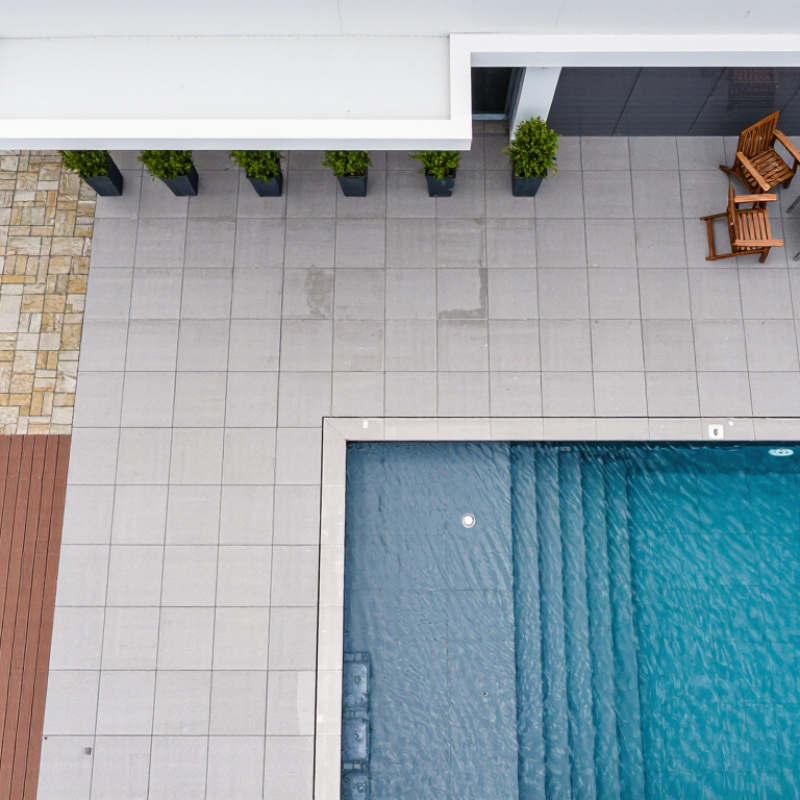
Table of Contents [Hide]
Define Your Project’s Purpose and Performance Requirements
Before comparing outdoor flooring, define how the space will be used. A quiet patio needs comfort under bare feet; a busy walkway needs reliable traction, drainage, and resistance to abrasion. For a poolside area, consider wet-foot slip resistance and how quickly water drains. For a dining space, think about moving chairs, dropped food, and frequent cleaning. Small details matter.
Water management deserves attention early. The U.S. Environmental Protection Agency’s guidance on urban runoff identifies stream impacts at roughly 10% impervious cover in a watershed, with more severe effects as cover increases. This is not a flooring-selection threshold for one patio, but it highlights why runoff deserves planning. Compare the surface’s permeability, slope, and connection to drains before choosing a material. Also check local rainfall, freeze-thaw exposure, and expected foot traffic. A surface that performs well in a dry climate may become slick or damaged in a wet, cold one.
Write down the demands, not just the look. Estimate daily use, furniture loads, cleaning frequency, and exposure to sun or standing water. Then compare product test data and installation requirements against those conditions. ASTM test methods can help assess properties such as slip resistance, but test results depend on the method and surface condition. Ask for documentation. A sample underfoot is useful, though one small sample cannot show how a full installation will drain or age. I have seen that overlooked detail become an expensive rethink.

© Copyright - Pro Tool & Supply - Site by SVM E-Marketing Solutions - Sitemap
- Privacy policy