- Products
- Air Compressors & Air Tools
- Climate Control
- Compaction Equipment
- Concrete Cutting Tools & Equipment
- Concrete and Masonry
- Demolition & Excavation
- Electrical & Mechanical
- Fasteners and Anchoring Adhesives
- Floor Protection
- Generators and Welders
- Hand Tools
- Heaters
- Janitorial and Office Supplies
- Jobsite Protection
- Ladders & Storage
- Lighting & Lighting Accessories
- Man Lifts
- Material Handling Equipment
- Power Tools
- Pressure Washers & Pumps
- Safety Gear
- Safety Products
- Saws
- Surface Preparation
- SEASONAL PRODUCTS
- Rentals
- Air Compressor and Air Tool Rentals
- Climate Control Rental
- Compaction Rentals
- Concrete Equipment Rentals
- Demolition & Excavation Equipment Rentals
- Concrete Floor Grinder Rentals
- General Construction Equipment Rentals
- Generator Rentals and Welder Rentals
- Heater Rentals
- Light Tower Rentals
- Man Lift Rentals in Massachusetts and Rhode Island
- Material Handling Equipment Rentals
- Pressure Washer & Pump Rentals
- Saw Rentals in New England
- SEASONAL PRODUCTS
- Products
- Air Compressors & Air Tools
- Climate Control
- Compaction Equipment
- Concrete Cutting Tools & Equipment
- Demolition & Excavation
- Electrical & Mechanical
- Floor Protection
- Generators and Welders
- Construction Heaters
- Construction Ladders, Staging, & Storage
- Construction Lighting
- Man Lifts
- Material Handling Equipment
- Industrial Janitorial and Office Supplies
- Pressure Washers & Pumps
- Construction Safety Products
- Construction Safety Gear
- Surface Preparation
- Building Protection
- Diesel Accessories
- Zero Emissions
- Rentals
- Air Compressor and Air Tool Rentals
- Climate Control Rental
- Compaction Rentals
- Concrete Equipment Rental
- Demolition & Excavation Equipment Rental
- General Construction Equipment Rental
- Generator Rentals and Welder Rentals
- Construction Heaters Rental
- Light Tower Rentals
- Man Lift Rentals
- Material Handling Equipment Rental
- Pressure Washer & Pump Rentals
- Saw Rentals in New England
- Concrete Floor Grinder Rentals
- Zero Emissions Rentals
- Repairs & Used
- Parts
- Blog
- Services
- Resources
- About Us
- Contact Us
Sales & Rental of Construction | Industrial Equipment & Supplies


How to Choose the Best Deck Boards?
Choosing the right Deck Boards starts with the conditions beneath your feet. A sunny, open deck faces different stresses from a shaded porch that stays damp after rain. Before comparing colors, consider your climate, budget, maintenance habits, and the framing that will support each board. Those details shape whether wood, composite, or another material is a practical fit.
Look closely at the trade-offs. Pressure-treated wood often costs less upfront, but it needs regular care. Cedar and other naturally attractive woods can feel warm and smooth, yet their color may fade without maintenance. Composite boards resist many common sources of wear, though they can become hot in direct sun and usually cost more initially. Check manufacturer instructions for joist spacing, fastening, ventilation, and cleaning. A sample board in your own light can reveal more than a glossy product photo.
An expert’s judgment can help, but accuracy matters. No source was provided to verify a named professional’s quotation, so I won’t invent one. This guide will instead compare materials, surface textures, board profiles, warranties, installation needs, and long-term costs. It will also flag a common blind spot: the board itself is only part of the system. Drainage, sturdy framing, and careful installation matter too. The best choice is not always the most expensive—or the prettiest sample. It is the one that suits your site and the upkeep you will actually do.
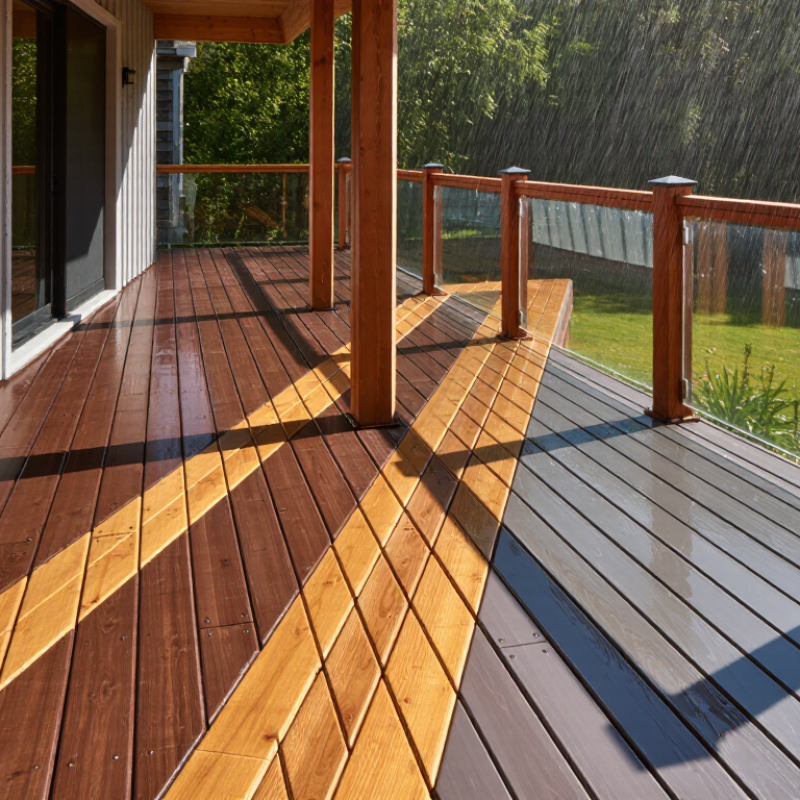
Table of Contents [Hide]
Identify Your Deck’s Purpose, Location, and Structural Requirements
How to Choose the Best Deck Boards?
Identify Your Deck’s Purpose, Location, and Structural Requirements
Start with how the deck will be used. A quiet sitting area has different demands than a space for dining, a heavy grill, or a hot tub. Measure the planned layout and note where people and heavy items will gather. These details affect joist spacing and support needs, not just board appearance. Hot tubs need particular care. Get a qualified professional to check the structure before choosing boards.
Location matters. A shaded corner that stays damp may need different maintenance than a sunny, exposed deck. Near the coast, salt and moisture can speed up wear on some materials; in snowy areas, plan for snow loads and drainage. The USDA Forest Products Laboratory’s Wood Handbook describes the fiber saturation point of wood as roughly 30% moisture content. Below that level, changing moisture can cause wood to shrink or swell. Leave appropriate gaps, and follow the board maker’s installation guidance. Small details matter.
Check the frame before buying. The American Wood Council’s Prescriptive Residential Wood Deck Construction Guide uses a typical residential design load of 40 pounds per square foot live load, plus 10 pounds per square foot dead load. Actual requirements can vary with local codes and site conditions. Board span limits also depend on material and thickness, so confirm them against the product’s technical data. A wider board may look calmer, but it cannot fix undersized joists. That’s an easy detail to overlook.

© Copyright - Pro Tool & Supply - Site by SVM E-Marketing Solutions - Sitemap
- Privacy policy