- Products
- Air Compressors & Air Tools
- Climate Control
- Compaction Equipment
- Concrete Cutting Tools & Equipment
- Concrete and Masonry
- Demolition & Excavation
- Electrical & Mechanical
- Fasteners and Anchoring Adhesives
- Floor Protection
- Generators and Welders
- Hand Tools
- Heaters
- Janitorial and Office Supplies
- Jobsite Protection
- Ladders & Storage
- Lighting & Lighting Accessories
- Man Lifts
- Material Handling Equipment
- Power Tools
- Pressure Washers & Pumps
- Safety Gear
- Safety Products
- Saws
- Surface Preparation
- SEASONAL PRODUCTS
- Rentals
- Air Compressor and Air Tool Rentals
- Climate Control Rental
- Compaction Rentals
- Concrete Equipment Rentals
- Demolition & Excavation Equipment Rentals
- Concrete Floor Grinder Rentals
- General Construction Equipment Rentals
- Generator Rentals and Welder Rentals
- Heater Rentals
- Light Tower Rentals
- Man Lift Rentals in Massachusetts and Rhode Island
- Material Handling Equipment Rentals
- Pressure Washer & Pump Rentals
- Saw Rentals in New England
- SEASONAL PRODUCTS
- Products
- Air Compressors & Air Tools
- Climate Control
- Compaction Equipment
- Concrete Cutting Tools & Equipment
- Demolition & Excavation
- Electrical & Mechanical
- Floor Protection
- Generators and Welders
- Construction Heaters
- Construction Ladders, Staging, & Storage
- Construction Lighting
- Man Lifts
- Material Handling Equipment
- Industrial Janitorial and Office Supplies
- Pressure Washers & Pumps
- Construction Safety Products
- Construction Safety Gear
- Surface Preparation
- Building Protection
- Diesel Accessories
- Zero Emissions
- Rentals
- Air Compressor and Air Tool Rentals
- Climate Control Rental
- Compaction Rentals
- Concrete Equipment Rental
- Demolition & Excavation Equipment Rental
- General Construction Equipment Rental
- Generator Rentals and Welder Rentals
- Construction Heaters Rental
- Light Tower Rentals
- Man Lift Rentals
- Material Handling Equipment Rental
- Pressure Washer & Pump Rentals
- Saw Rentals in New England
- Concrete Floor Grinder Rentals
- Zero Emissions Rentals
- Repairs & Used
- Parts
- Blog
- Services
- Resources
- About Us
- Contact Us
Sales & Rental of Construction | Industrial Equipment & Supplies


How to Choose the Best Combination Wrench?
Choosing a Combination Wrench seems simple until a rounded fastener or cramped space slows the job. The right tool should fit the fastener closely, reach the work area, and feel controlled in your hand. A wrench that is too large can slip; one that is too short may demand awkward force. Fit matters.
The U.S. Bureau of Labor Statistics projected 15% employment growth from 2023 to 2033 for industrial machinery mechanics, machinery maintenance workers, and millwrights. Its Occupational Outlook Handbook also estimated about 42,800 annual openings across these occupations. These figures do not measure wrench sales or prove that one design is best. They do show why practical maintenance skills—and dependable hand tools—remain relevant in many workplaces.
This guide explains how to compare size range, measurement system, material, finish, and handle design. It also considers whether a standard, stubby, or ratcheting combination wrench suits the task. For example, a mechanic reaching behind a bracket may value a slim head, while routine bench work may call for a sturdy, comfortable grip. Small details count. We will distinguish useful specifications from vague marketing claims and note where trade-offs remain. No single wrench is perfect; the best choice depends on the fasteners, working space, and frequency of use. BLS labor projections provide context, but careful inspection and manufacturer specifications should guide the purchase.
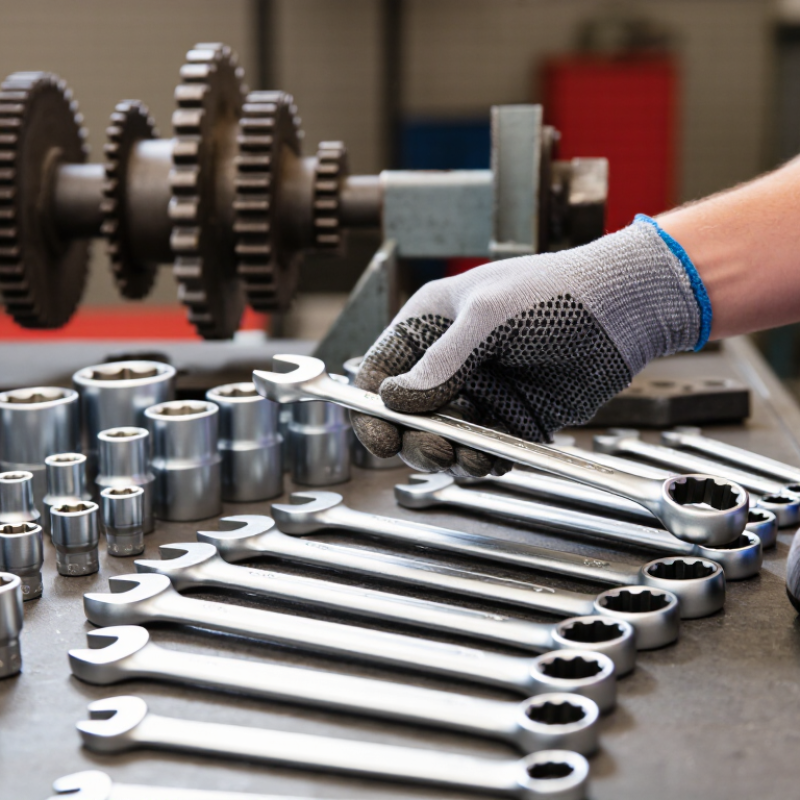
Table of Contents [Hide]
Understanding the Design and Purpose of a Combination Wrench
A combination wrench has an open jaw at one end and a closed ring at the other, usually in the same size. The open end slips over a fastener quickly, which helps when space is limited or the nut is easy to reach. The ring end surrounds more of the fastener and can provide a steadier grip. Many ring ends have six or twelve contact points; six-point designs generally engage hexagonal fasteners more fully, while twelve-point designs offer more repositioning options. Small detail. Big difference.
When choosing a wrench, match its size precisely to the fastener. A loose fit can round the corners, especially if the wrench tilts under pressure. Check the tool’s markings and test the fit before applying force. In a crowded engine bay or beneath a sink, the wrench’s length and head angle can matter as much as its size. A longer handle gives more leverage, but extra force is not always safer; stop if the fastener resists and reassess the fit or access. It is easy to focus on the ring end and overlook the open jaw. Fit matters most.

© Copyright - Pro Tool & Supply - Site by SVM E-Marketing Solutions - Sitemap
- Privacy policy