- Products
- Air Compressors & Air Tools
- Climate Control
- Compaction Equipment
- Concrete Cutting Tools & Equipment
- Concrete and Masonry
- Demolition & Excavation
- Electrical & Mechanical
- Fasteners and Anchoring Adhesives
- Floor Protection
- Generators and Welders
- Hand Tools
- Heaters
- Janitorial and Office Supplies
- Jobsite Protection
- Ladders & Storage
- Lighting & Lighting Accessories
- Man Lifts
- Material Handling Equipment
- Power Tools
- Pressure Washers & Pumps
- Safety Gear
- Safety Products
- Saws
- Surface Preparation
- SEASONAL PRODUCTS
- Rentals
- Air Compressor and Air Tool Rentals
- Climate Control Rental
- Compaction Rentals
- Concrete Equipment Rentals
- Demolition & Excavation Equipment Rentals
- Concrete Floor Grinder Rentals
- General Construction Equipment Rentals
- Generator Rentals and Welder Rentals
- Heater Rentals
- Light Tower Rentals
- Man Lift Rentals in Massachusetts and Rhode Island
- Material Handling Equipment Rentals
- Pressure Washer & Pump Rentals
- Saw Rentals in New England
- SEASONAL PRODUCTS
- Products
- Air Compressors & Air Tools
- Climate Control
- Compaction Equipment
- Concrete Cutting Tools & Equipment
- Demolition & Excavation
- Electrical & Mechanical
- Floor Protection
- Generators and Welders
- Construction Heaters
- Construction Ladders, Staging, & Storage
- Construction Lighting
- Man Lifts
- Material Handling Equipment
- Industrial Janitorial and Office Supplies
- Pressure Washers & Pumps
- Construction Safety Products
- Construction Safety Gear
- Surface Preparation
- Building Protection
- Diesel Accessories
- Zero Emissions
- Rentals
- Air Compressor and Air Tool Rentals
- Climate Control Rental
- Compaction Rentals
- Concrete Equipment Rental
- Demolition & Excavation Equipment Rental
- General Construction Equipment Rental
- Generator Rentals and Welder Rentals
- Construction Heaters Rental
- Light Tower Rentals
- Man Lift Rentals
- Material Handling Equipment Rental
- Pressure Washer & Pump Rentals
- Saw Rentals in New England
- Concrete Floor Grinder Rentals
- Zero Emissions Rentals
- Repairs & Used
- Parts
- Blog
- Services
- Resources
- About Us
- Contact Us
Sales & Rental of Construction | Industrial Equipment & Supplies


How to Choose Energy Efficient Aluminum Windows
Choosing Energy Efficient Aluminum Windows: A Practical Introduction
Energy efficient aluminum windows can improve comfort, daylight, and long-term operating costs. However, the frame alone does not determine performance. Glass selection, thermal breaks, seals, installation, and climate must work together.
Building scientist Joseph Lstiburek often describes a window as “a hole in a wall.” The phrase sounds simple. It also exposes the main design challenge: windows interrupt the building envelope. A well-designed unit can reduce heat transfer, limit drafts, and control unwanted solar gain. A poorly installed unit may still create cold edges, condensation, and rising energy bills.
Look beyond attractive finishes. Check the window’s U-factor, solar heat gain coefficient, air-leakage rating, and visible transmittance. Lower U-factor generally means better insulation. SHGC requires more judgment. In a hot climate, lower solar gain may reduce cooling demand. In a cold climate, controlled solar gain can provide useful winter warmth.
The aluminum profile deserves close attention. Polyamide thermal breaks separate the interior and exterior metal surfaces. Low-emissivity glass and insulated glazing can further improve resistance to heat flow. Yet performance can decline when installers leave gaps around the frame.
Installation matters greatly.
Review independent certification, such as NFRC ratings where applicable. Ask for tested values, not vague claims like “eco-friendly.” Also examine drainage paths, gasket quality, and the surrounding wall system. No window is perfect. Even experienced designers can overvalue laboratory ratings and underestimate site conditions. This guide explores how to compare Energy efficient aluminum windows realistically, balancing energy performance, durability, appearance, and installation quality.
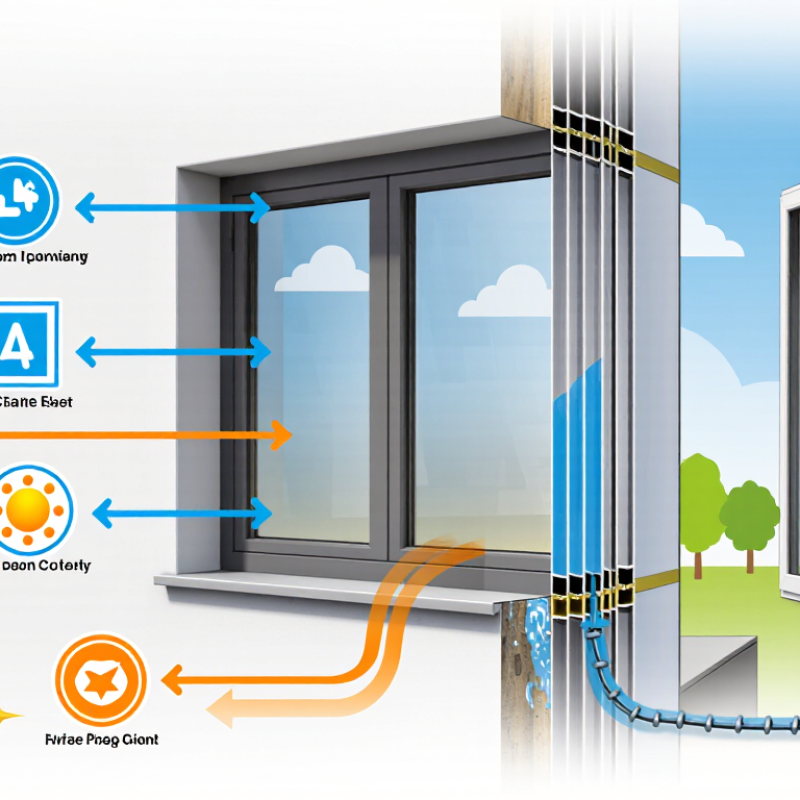
Table of Contents [Hide]
Define U-Factor Targets: Choose ≤0.30 Btu/h·ft²·°F for Efficient Windows
When choosing energy efficient aluminum windows, start with the U-factor. It measures how quickly heat passes through the complete window assembly. A lower number usually means better insulation. For efficient windows, set a target of 0.30 Btu/h·ft²·°F or lower. This target is practical for many residential projects, but local climate still matters. Cold regions may justify an even lower value.
Check the rating carefully. Some figures describe only the glass, not the frame and edge. Whole-window ratings offer a more realistic comparison. Look for independently verified performance data, including the exact window size and operating style. A large sliding window may perform differently from a smaller fixed unit. Small details matter.
Installation can weaken excellent specifications. A narrow gap around the aluminum frame may create drafts and condensation. On site, installers should keep the frame square, insulate the perimeter, and seal interior and exterior joints correctly. I have seen a low U-factor window perform poorly after rushed installation. The number alone is not enough.
Consider orientation, shading, and ventilation too. South-facing windows can gain useful winter heat, while unshaded west-facing glass may overheat rooms. Ask for the solar heat gain coefficient and air-leakage rating. Do not chase the lowest U-factor blindly. A balanced choice may cost more upfront, yet reduce cold surfaces and heating demand over time. Recheck the assumptions before ordering.

© Copyright - Pro Tool & Supply - Site by SVM E-Marketing Solutions - Sitemap
- Privacy policy