- Products
- Air Compressors & Air Tools
- Climate Control
- Compaction Equipment
- Concrete Cutting Tools & Equipment
- Concrete and Masonry
- Demolition & Excavation
- Electrical & Mechanical
- Fasteners and Anchoring Adhesives
- Floor Protection
- Generators and Welders
- Hand Tools
- Heaters
- Janitorial and Office Supplies
- Jobsite Protection
- Ladders & Storage
- Lighting & Lighting Accessories
- Man Lifts
- Material Handling Equipment
- Power Tools
- Pressure Washers & Pumps
- Safety Gear
- Safety Products
- Saws
- Surface Preparation
- SEASONAL PRODUCTS
- Rentals
- Air Compressor and Air Tool Rentals
- Climate Control Rental
- Compaction Rentals
- Concrete Equipment Rentals
- Demolition & Excavation Equipment Rentals
- Concrete Floor Grinder Rentals
- General Construction Equipment Rentals
- Generator Rentals and Welder Rentals
- Heater Rentals
- Light Tower Rentals
- Man Lift Rentals in Massachusetts and Rhode Island
- Material Handling Equipment Rentals
- Pressure Washer & Pump Rentals
- Saw Rentals in New England
- SEASONAL PRODUCTS
- Products
- Air Compressors & Air Tools
- Climate Control
- Compaction Equipment
- Concrete Cutting Tools & Equipment
- Demolition & Excavation
- Electrical & Mechanical
- Floor Protection
- Generators and Welders
- Construction Heaters
- Construction Ladders, Staging, & Storage
- Construction Lighting
- Man Lifts
- Material Handling Equipment
- Industrial Janitorial and Office Supplies
- Pressure Washers & Pumps
- Construction Safety Products
- Construction Safety Gear
- Surface Preparation
- Building Protection
- Diesel Accessories
- Zero Emissions
- Rentals
- Air Compressor and Air Tool Rentals
- Climate Control Rental
- Compaction Rentals
- Concrete Equipment Rental
- Demolition & Excavation Equipment Rental
- General Construction Equipment Rental
- Generator Rentals and Welder Rentals
- Construction Heaters Rental
- Light Tower Rentals
- Man Lift Rentals
- Material Handling Equipment Rental
- Pressure Washer & Pump Rentals
- Saw Rentals in New England
- Concrete Floor Grinder Rentals
- Zero Emissions Rentals
- Repairs & Used
- Parts
- Blog
- Services
- Resources
- About Us
- Contact Us
Sales & Rental of Construction | Industrial Equipment & Supplies


China Top Isolation Transformer Suppliers How to Choose?
Choosing among China’s top Isolation Transformer suppliers requires more than comparing catalog prices. Transformer demand is expanding with data centers, industrial automation, renewable projects, and medical equipment. MarketsandMarkets’ 2024 Transformer Market report projects continued global growth through 2028, while the International Energy Agency’s Electricity 2024 report highlights rising electricity demand from digital infrastructure. These trends increase the need for dependable voltage separation and cleaner power protection.
The supplier’s real capability appears in the test room. Ask for routine test records covering insulation resistance, withstand voltage, no-load current, temperature rise, and efficiency. Request production samples, not only polished brochures. A qualified manufacturer should explain core material, winding structure, shielding, cooling, and acoustic performance clearly. Compliance with IEC 61558 may support international projects, while UL, CE, RoHS, or CCC documentation depends on the target market. ISO 9001 certification is useful, but it does not replace product-level testing.
Factory experience matters. Review audited production capacity, traceability labels, incoming-material controls, and after-sales response times. For a hospital, leakage current and electromagnetic noise may matter more than the lowest quotation. For a factory line, overload tolerance and continuous-duty performance may dominate. No supplier ranking is perfect. Public market reports rarely separate Isolation Transformers from the broader transformer sector, so buyers should verify every claim directly. A short factory video is not evidence. Compare witnessed tests, sample consistency, warranty terms, and delivery records before signing. The strongest supplier is not always the largest; it is the one that can repeatedly deliver safe, documented performance for your exact load.
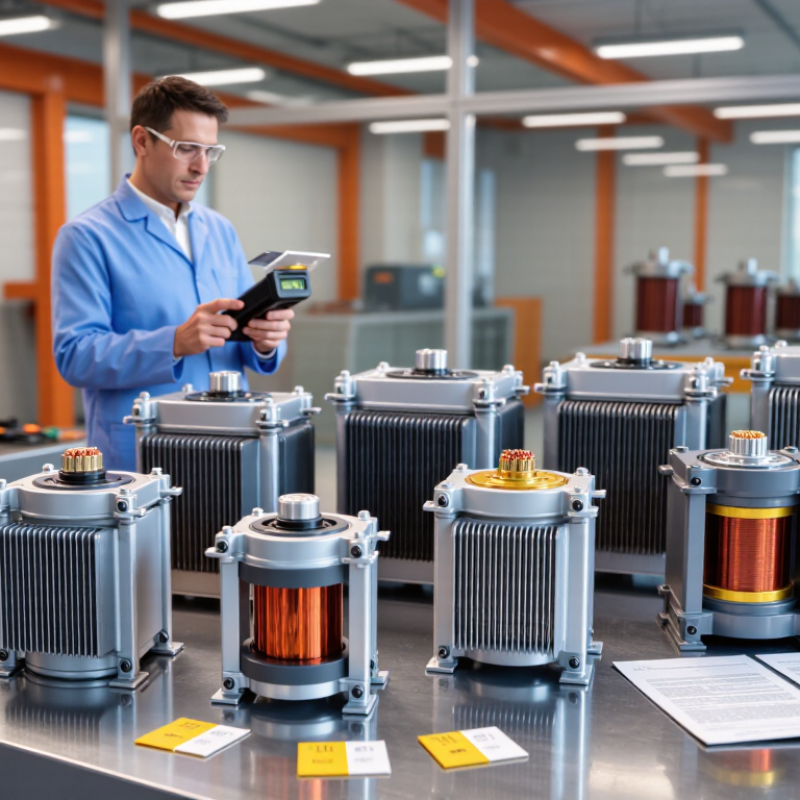
Table of Contents [Hide]
What Is an Isolation Transformer and Why Does Supplier Choice Matter?
China Top Isolation Transformer Suppliers: How to Choose?
An isolation transformer transfers electrical power through magnetic coupling, without a direct conductive connection between input and output. This separation can reduce shock risks, interrupt some ground-loop problems, and protect sensitive equipment from electrical noise. It does not solve every power-quality issue. That distinction matters.
Supplier choice affects safety, consistency, and long-term operating costs. During equipment evaluations, engineers should examine insulation systems, dielectric test results, temperature-rise data, noise levels, and overload performance.
A reliable supplier should provide traceable material records, clear technical drawings, routine test reports, and appropriate conformity documentation.
Factory experience also matters. Ask how windings are insulated, how units are tested, and how defects are handled after delivery. A polished datasheet is not proof of stable production.
Tips: Match the transformer to voltage, frequency, power rating, load type, and installation environment. Request a sample test report before placing a large order. Check whether the supplier can support customized terminals, enclosures, cooling methods, and inspection requirements. Confirm delivery controls and spare-part support. Small details matter.
Do not select only by price. A cheaper unit may use weaker insulation or offer limited testing evidence. Still, expensive equipment is not automatically better. Compare measurable data, production records, and communication quality. Leave room for review; specifications can be misunderstood, and even experienced buyers sometimes overlook inrush current.

© Copyright - Pro Tool & Supply - Site by SVM E-Marketing Solutions - Sitemap
- Privacy policy