- Products
- Air Compressors & Air Tools
- Climate Control
- Compaction Equipment
- Concrete Cutting Tools & Equipment
- Concrete and Masonry
- Demolition & Excavation
- Electrical & Mechanical
- Fasteners and Anchoring Adhesives
- Floor Protection
- Generators and Welders
- Hand Tools
- Heaters
- Janitorial and Office Supplies
- Jobsite Protection
- Ladders & Storage
- Lighting & Lighting Accessories
- Man Lifts
- Material Handling Equipment
- Power Tools
- Pressure Washers & Pumps
- Safety Gear
- Safety Products
- Saws
- Surface Preparation
- SEASONAL PRODUCTS
- Rentals
- Air Compressor and Air Tool Rentals
- Climate Control Rental
- Compaction Rentals
- Concrete Equipment Rentals
- Demolition & Excavation Equipment Rentals
- Concrete Floor Grinder Rentals
- General Construction Equipment Rentals
- Generator Rentals and Welder Rentals
- Heater Rentals
- Light Tower Rentals
- Man Lift Rentals in Massachusetts and Rhode Island
- Material Handling Equipment Rentals
- Pressure Washer & Pump Rentals
- Saw Rentals in New England
- SEASONAL PRODUCTS
- Products
- Air Compressors & Air Tools
- Climate Control
- Compaction Equipment
- Concrete Cutting Tools & Equipment
- Demolition & Excavation
- Electrical & Mechanical
- Floor Protection
- Generators and Welders
- Construction Heaters
- Construction Ladders, Staging, & Storage
- Construction Lighting
- Man Lifts
- Material Handling Equipment
- Industrial Janitorial and Office Supplies
- Pressure Washers & Pumps
- Construction Safety Products
- Construction Safety Gear
- Surface Preparation
- Building Protection
- Diesel Accessories
- Zero Emissions
- Rentals
- Air Compressor and Air Tool Rentals
- Climate Control Rental
- Compaction Rentals
- Concrete Equipment Rental
- Demolition & Excavation Equipment Rental
- General Construction Equipment Rental
- Generator Rentals and Welder Rentals
- Construction Heaters Rental
- Light Tower Rentals
- Man Lift Rentals
- Material Handling Equipment Rental
- Pressure Washer & Pump Rentals
- Saw Rentals in New England
- Concrete Floor Grinder Rentals
- Zero Emissions Rentals
- Repairs & Used
- Parts
- Blog
- Services
- Resources
- About Us
- Contact Us
Sales & Rental of Construction | Industrial Equipment & Supplies

How to Choose an Automatic Labeling Machine in 2026?
Choosing an Automatic Labeling Machine in 2026 requires more than comparing prices and headline speeds. A machine may promise 120 products per minute, yet perform differently with dusty bottles, tapered jars, or humid rooms. The right choice begins with the product, label stock, container shape, and production rhythm. Small details matter. A two-millimeter gap can become a costly quality issue across a long shift.
From practical line assessments, reliable selection usually follows a short, controlled trial. Ask suppliers to label your actual containers and labels, not only demonstration samples. Measure placement accuracy, changeover time, reject rates, operator effort, and cleaning access. Check whether the machine connects smoothly with conveyors, printers, scanners, and existing controls. Documentation should explain maintenance intervals, spare parts, training, and support response. Independent test records and reference installations can strengthen confidence, especially when claims seem unusually impressive.
The 2026 market also brings smarter sensors, vision inspection, recipe storage, and data reporting. These features can reduce errors, but they do not replace sound process design. More technology is not always better. Consider safety, hygiene, energy use, future capacity, and total ownership cost. A low purchase price may hide difficult adjustments or unavailable parts. I would not choose from a brochure alone. Recheck assumptions after the trial. The best Automatic Labeling Machine is the one that delivers repeatable results on your line, with clear evidence and support you can trust.
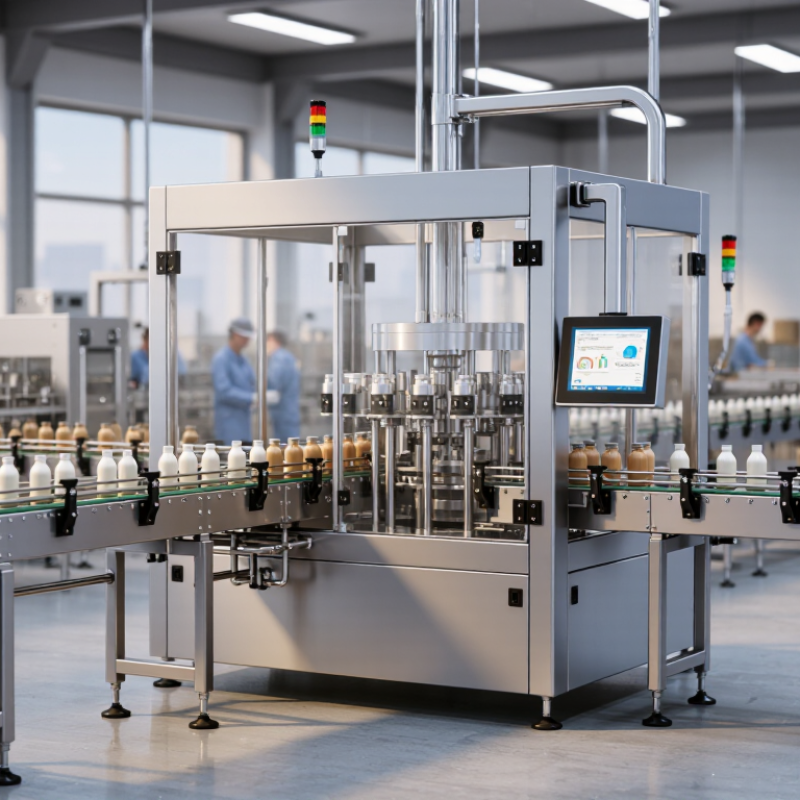
Table of Contents [Hide]
What an Automatic Labeling Machine Does and Where It Is Used
How to Choose an Automatic Labeling Machine in 2026?
An automatic labeling machine applies labels to products with consistent position, pressure, and speed. It usually works with a conveyor, product sensor, label dispenser, and control system. Some models also print batch details or scan codes during application. The machine can label bottles, jars, cartons, pouches, tubes, and other stable containers.
Accuracy matters more than advertised speed. A practical evaluation should check container shape, label material, adhesive behavior, and daily production volume. A round bottle may need wrap-around labeling, while a flat carton may require front, back, or top application. The label sensor must detect small gaps reliably. Poor calibration can cause tilted labels, wrinkles, or wasted rolls. Small errors become expensive.
Automatic labeling machines are used in food processing, beverages, cosmetics, household products, medical supplies, and general manufacturing. In a clean production area, stainless steel surfaces and easy access support regular sanitation. In dusty workshops, protected sensors and simple maintenance are more valuable. Integration with filling, sealing, weighing, or inspection equipment can reduce manual handling. However, integration is not always smooth. Operators should test real containers and labels before purchase, because sample demonstrations may not reveal condensation, uneven surfaces, or changing product sizes. A dependable machine should provide adjustable speed, clear controls, safety protection, and usable maintenance records. Fancy features are not automatically useful.

© Copyright - Pro Tool & Supply - Site by SVM E-Marketing Solutions - Sitemap
- Privacy policy