- Products
- Air Compressors & Air Tools
- Climate Control
- Compaction Equipment
- Concrete Cutting Tools & Equipment
- Concrete and Masonry
- Demolition & Excavation
- Electrical & Mechanical
- Fasteners and Anchoring Adhesives
- Floor Protection
- Generators and Welders
- Hand Tools
- Heaters
- Janitorial and Office Supplies
- Jobsite Protection
- Ladders & Storage
- Lighting & Lighting Accessories
- Man Lifts
- Material Handling Equipment
- Power Tools
- Pressure Washers & Pumps
- Safety Gear
- Safety Products
- Saws
- Surface Preparation
- SEASONAL PRODUCTS
- Rentals
- Air Compressor and Air Tool Rentals
- Climate Control Rental
- Compaction Rentals
- Concrete Equipment Rentals
- Demolition & Excavation Equipment Rentals
- Concrete Floor Grinder Rentals
- General Construction Equipment Rentals
- Generator Rentals and Welder Rentals
- Heater Rentals
- Light Tower Rentals
- Man Lift Rentals in Massachusetts and Rhode Island
- Material Handling Equipment Rentals
- Pressure Washer & Pump Rentals
- Saw Rentals in New England
- SEASONAL PRODUCTS
- Products
- Air Compressors & Air Tools
- Climate Control
- Compaction Equipment
- Concrete Cutting Tools & Equipment
- Demolition & Excavation
- Electrical & Mechanical
- Floor Protection
- Generators and Welders
- Construction Heaters
- Construction Ladders, Staging, & Storage
- Construction Lighting
- Man Lifts
- Material Handling Equipment
- Industrial Janitorial and Office Supplies
- Pressure Washers & Pumps
- Construction Safety Products
- Construction Safety Gear
- Surface Preparation
- Building Protection
- Diesel Accessories
- Zero Emissions
- Rentals
- Air Compressor and Air Tool Rentals
- Climate Control Rental
- Compaction Rentals
- Concrete Equipment Rental
- Demolition & Excavation Equipment Rental
- General Construction Equipment Rental
- Generator Rentals and Welder Rentals
- Construction Heaters Rental
- Light Tower Rentals
- Man Lift Rentals
- Material Handling Equipment Rental
- Pressure Washer & Pump Rentals
- Saw Rentals in New England
- Concrete Floor Grinder Rentals
- Zero Emissions Rentals
- Repairs & Used
- Parts
- Blog
- Services
- Resources
- About Us
- Contact Us
Sales & Rental of Construction | Industrial Equipment & Supplies


How to Choose a Ventless Electric Fireplace in 2026?
Choosing a Ventless Electric Fireplace in 2026 requires more than comparing flame colors and screen sizes. A convincing model must fit the room, electrical circuit, heating needs, and installation environment. “Ventless” means no chimney or combustion exhaust. It does not mean risk-free.
Industry data supports careful evaluation. The U.S. Energy Information Administration’s 2020 Residential Energy Consumption Survey reported that electricity served as the primary space-heating energy source for about 39% of U.S. homes. That figure shows why electric heating remains relevant, especially in apartments, renovated bedrooms, and homes without gas connections. Grand View Research’s electric fireplace market analysis also identifies rising interest in convenient, decorative heating products. However, market forecasts often combine built-in, wall-mounted, and portable units. Their categories are not always perfectly comparable.
Safety should lead the decision. Readers should check recognized testing marks, clearances, circuit requirements, and manufacturer instructions. UL 1278 covers movable and wall- or ceiling-hung electric room heaters, while local requirements may differ. A certified product with realistic heat output is usually more valuable than a dramatic display panel. Small details matter: a warm plug, a crowded outlet, or curtains placed near the heater deserves immediate attention.
Room size matters too. Many electric fireplaces are designed for supplemental heat, not whole-home heating. Measure the space, review the wattage, and consider insulation before trusting a headline heating range. This guide compares heating performance, operating cost, flame realism, controls, noise, maintenance, and warranty support. Some conclusions remain subjective. Flame appearance is personal. Forecasts can change. Good choices still come from verified specifications, practical experience, and a willingness to question attractive claims.
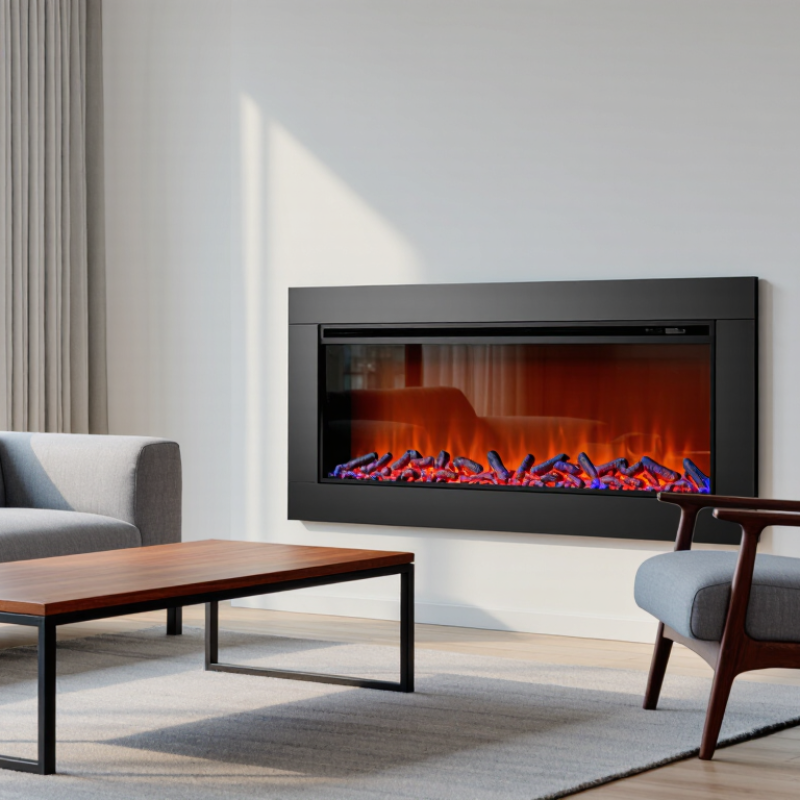
Table of Contents [Hide]
Understanding How Ventless Electric Fireplaces Work
A ventless electric fireplace does not burn gas or wood, so it needs no chimney, flue, or outside air. Its flame is usually an LED projection, while heat comes from resistance elements or infrared emitters. A quiet fan may push warm air through the grille. The effect looks like fire, but no combustion occurs.
The U.S. Department of Energy explains that electric resistance heating converts nearly all incoming electricity into heat at the point of use. That does not guarantee low bills. The U.S. Energy Information Administration reported an average residential electricity price of about 16.5 cents per kilowatt-hour in 2024. A 1,500-watt heater running for four hours uses roughly 6 kilowatt-hours. Check the calculation.
Look for adjustable heat, a thermostat, overheat protection, and a certified plug or installation method. The National Fire Protection Association continues to identify heating equipment as an important source of home fires, even though electric units avoid open flames.
Keep curtains, paper, and furniture away from the outlet and heater grille. A small room may warm quickly; a drafty open-plan room may not. Infrared heat can feel pleasant on your hands, yet it may leave distant corners cool. That limitation is easy to overlook.

© Copyright - Pro Tool & Supply - Site by SVM E-Marketing Solutions - Sitemap
- Privacy policy