- Products
- Air Compressors & Air Tools
- Climate Control
- Compaction Equipment
- Concrete Cutting Tools & Equipment
- Concrete and Masonry
- Demolition & Excavation
- Electrical & Mechanical
- Fasteners and Anchoring Adhesives
- Floor Protection
- Generators and Welders
- Hand Tools
- Heaters
- Janitorial and Office Supplies
- Jobsite Protection
- Ladders & Storage
- Lighting & Lighting Accessories
- Man Lifts
- Material Handling Equipment
- Power Tools
- Pressure Washers & Pumps
- Safety Gear
- Safety Products
- Saws
- Surface Preparation
- SEASONAL PRODUCTS
- Rentals
- Air Compressor and Air Tool Rentals
- Climate Control Rental
- Compaction Rentals
- Concrete Equipment Rentals
- Demolition & Excavation Equipment Rentals
- Concrete Floor Grinder Rentals
- General Construction Equipment Rentals
- Generator Rentals and Welder Rentals
- Heater Rentals
- Light Tower Rentals
- Man Lift Rentals in Massachusetts and Rhode Island
- Material Handling Equipment Rentals
- Pressure Washer & Pump Rentals
- Saw Rentals in New England
- SEASONAL PRODUCTS
- Products
- Air Compressors & Air Tools
- Climate Control
- Compaction Equipment
- Concrete Cutting Tools & Equipment
- Demolition & Excavation
- Electrical & Mechanical
- Floor Protection
- Generators and Welders
- Construction Heaters
- Construction Ladders, Staging, & Storage
- Construction Lighting
- Man Lifts
- Material Handling Equipment
- Industrial Janitorial and Office Supplies
- Pressure Washers & Pumps
- Construction Safety Products
- Construction Safety Gear
- Surface Preparation
- Building Protection
- Diesel Accessories
- Zero Emissions
- Rentals
- Air Compressor and Air Tool Rentals
- Climate Control Rental
- Compaction Rentals
- Concrete Equipment Rental
- Demolition & Excavation Equipment Rental
- General Construction Equipment Rental
- Generator Rentals and Welder Rentals
- Construction Heaters Rental
- Light Tower Rentals
- Man Lift Rentals
- Material Handling Equipment Rental
- Pressure Washer & Pump Rentals
- Saw Rentals in New England
- Concrete Floor Grinder Rentals
- Zero Emissions Rentals
- Repairs & Used
- Parts
- Blog
- Services
- Resources
- About Us
- Contact Us
Sales & Rental of Construction | Industrial Equipment & Supplies


What Are Hotel Electronic Locks and Which Type Is Best?
Hotel Electronic Locks have changed how guests enter rooms and how hotels protect them. Instead of carrying a traditional metal key, a guest may use a keycard, PIN, smartphone, or fingerprint. The right system depends on the property’s size, guest profile, budget, and security procedures.
In practice, RFID keycard locks remain common because they are familiar and relatively simple to manage. Mobile locks can reduce plastic use and connect with hotel apps, but guests may face dead phone batteries or poor Bluetooth performance. Keypad locks offer convenient access without cards, although shared codes require careful control. Biometric systems can be fast, yet they often demand higher costs, stronger privacy safeguards, and reliable enrollment processes.
Security is more than the lock itself. Hotel managers should examine encryption, access logs, battery warnings, emergency entry, fire safety, and software support. A lock that looks advanced may still create problems when its batteries fail at midnight. Staff training matters too. Guests need clear instructions, and front-desk teams need a tested backup plan.
There is no universal winner. Not really.
The best choice balances convenience, reliability, maintenance, and guest trust. Independent testing, manufacturer documentation, and feedback from similar hotels can guide a sound decision. A careful evaluation should include installation quality and long-term service, not only the purchase price. Even experienced teams can overlook small details, such as weak network coverage near elevators or confusing mobile-app permissions. This guide examines the main types of Hotel Electronic Locks and explains where each option performs well, where it falls short, and which properties may benefit most.
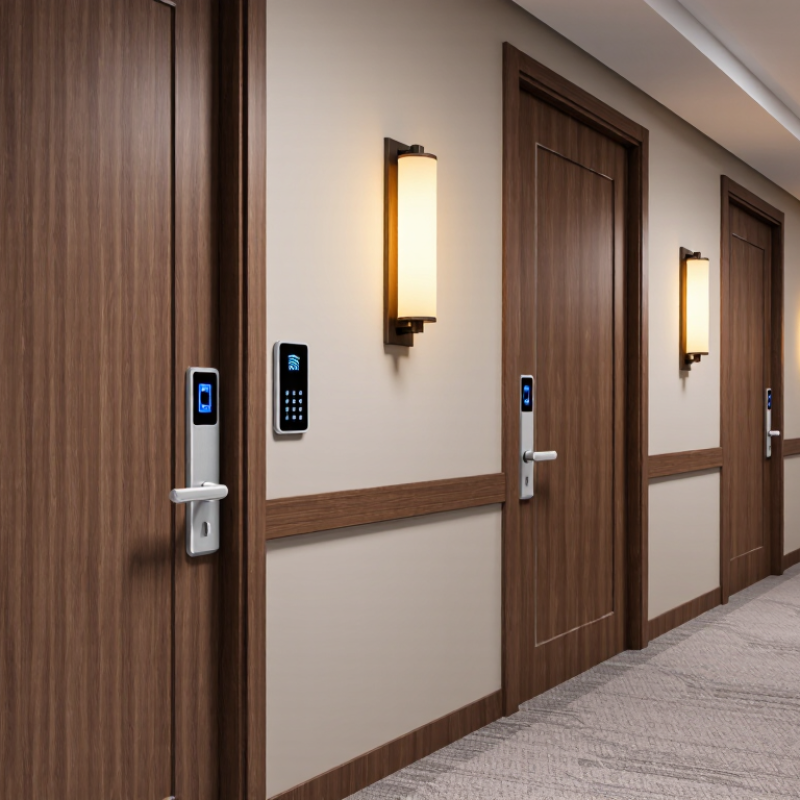
Table of Contents [Hide]
What Are Hotel Electronic Locks?
Hotel electronic locks are access-control devices that replace traditional metal keys with digital credentials. They usually operate through RFID cards, mobile signals, PIN codes, or biometric identification. When a guest presents valid credentials, the lock checks the permission and releases the latch. Many systems also record entry times, helping staff investigate lost cards or unusual access.
Different lock types suit different hotel conditions. RFID locks are familiar, affordable, and simple for housekeeping teams. Mobile locks reduce physical cards but depend on guest phones and reliable connectivity. Keypad locks can help small properties, although shared codes may weaken accountability. In my view, RFID is often the practical choice for busy hotels. Still, there is no perfect option. Battery life, door structure, fire-safety requirements, and staff training can matter more than advanced features.
Tips: Inspect battery warnings, audit logs, emergency access, and software permissions before installation. Test the lock with wet hands, weak phone signals, and a nearly empty battery. These small checks reveal problems that product demonstrations may hide. Keep a controlled backup process for outages, and change access permissions when staff roles change. A modern lock is only as reliable as its maintenance routine.

© Copyright - Pro Tool & Supply - Site by SVM E-Marketing Solutions - Sitemap
- Privacy policy