- Products
- Air Compressors & Air Tools
- Climate Control
- Compaction Equipment
- Concrete Cutting Tools & Equipment
- Concrete and Masonry
- Demolition & Excavation
- Electrical & Mechanical
- Fasteners and Anchoring Adhesives
- Floor Protection
- Generators and Welders
- Hand Tools
- Heaters
- Janitorial and Office Supplies
- Jobsite Protection
- Ladders & Storage
- Lighting & Lighting Accessories
- Man Lifts
- Material Handling Equipment
- Power Tools
- Pressure Washers & Pumps
- Safety Gear
- Safety Products
- Saws
- Surface Preparation
- SEASONAL PRODUCTS
- Rentals
- Air Compressor and Air Tool Rentals
- Climate Control Rental
- Compaction Rentals
- Concrete Equipment Rentals
- Demolition & Excavation Equipment Rentals
- Concrete Floor Grinder Rentals
- General Construction Equipment Rentals
- Generator Rentals and Welder Rentals
- Heater Rentals
- Light Tower Rentals
- Man Lift Rentals in Massachusetts and Rhode Island
- Material Handling Equipment Rentals
- Pressure Washer & Pump Rentals
- Saw Rentals in New England
- SEASONAL PRODUCTS
- Products
- Air Compressors & Air Tools
- Climate Control
- Compaction Equipment
- Concrete Cutting Tools & Equipment
- Demolition & Excavation
- Electrical & Mechanical
- Floor Protection
- Generators and Welders
- Construction Heaters
- Construction Ladders, Staging, & Storage
- Construction Lighting
- Man Lifts
- Material Handling Equipment
- Industrial Janitorial and Office Supplies
- Pressure Washers & Pumps
- Construction Safety Products
- Construction Safety Gear
- Surface Preparation
- Building Protection
- Diesel Accessories
- Zero Emissions
- Rentals
- Air Compressor and Air Tool Rentals
- Climate Control Rental
- Compaction Rentals
- Concrete Equipment Rental
- Demolition & Excavation Equipment Rental
- General Construction Equipment Rental
- Generator Rentals and Welder Rentals
- Construction Heaters Rental
- Light Tower Rentals
- Man Lift Rentals
- Material Handling Equipment Rental
- Pressure Washer & Pump Rentals
- Saw Rentals in New England
- Concrete Floor Grinder Rentals
- Zero Emissions Rentals
- Repairs & Used
- Parts
- Blog
- Services
- Resources
- About Us
- Contact Us
Sales & Rental of Construction | Industrial Equipment & Supplies


Why Choose Heat Meters for Accurate Energy Measurement?
Why Choose Heat Meters for Accurate Energy Measurement?
Energy costs are rising, while heating systems face growing pressure to prove their performance. The UNEP Global Status Report for Buildings and Construction 2023 states that buildings consume about 30% of global final energy. They also produce roughly 26% of energy-related emissions. These figures make accurate thermal measurement more than a billing preference. It becomes an operational necessity.
Heat Meters measure water flow and temperature difference across a heating circuit. They convert those readings into delivered thermal energy, usually in kilowatt-hours. A clear display can show the difference between expected consumption and a wasted afternoon. A faulty valve may quietly heat an empty room. The meter can expose that pattern. It cannot fix the valve.
The IEA Energy Efficiency 2023 report identifies efficiency as a major route for reducing energy demand. IEA Executive Director Fatih Birol has repeatedly called energy efficiency “the first fuel.” Heat Meters support this principle by connecting energy use with measurable evidence. Building owners can compare zones, verify supplier invoices, and evaluate retrofit results. Residents gain clearer information about their actual consumption.
No meter is perfect. Installation quality, sensor placement, calibration, and data handling still matter. This is where enthusiasm can outrun evidence. A reliable system needs appropriate equipment and regular verification. When those details are respected, Heat Meters turn invisible heat flows into practical decisions, credible records, and more accountable energy management.
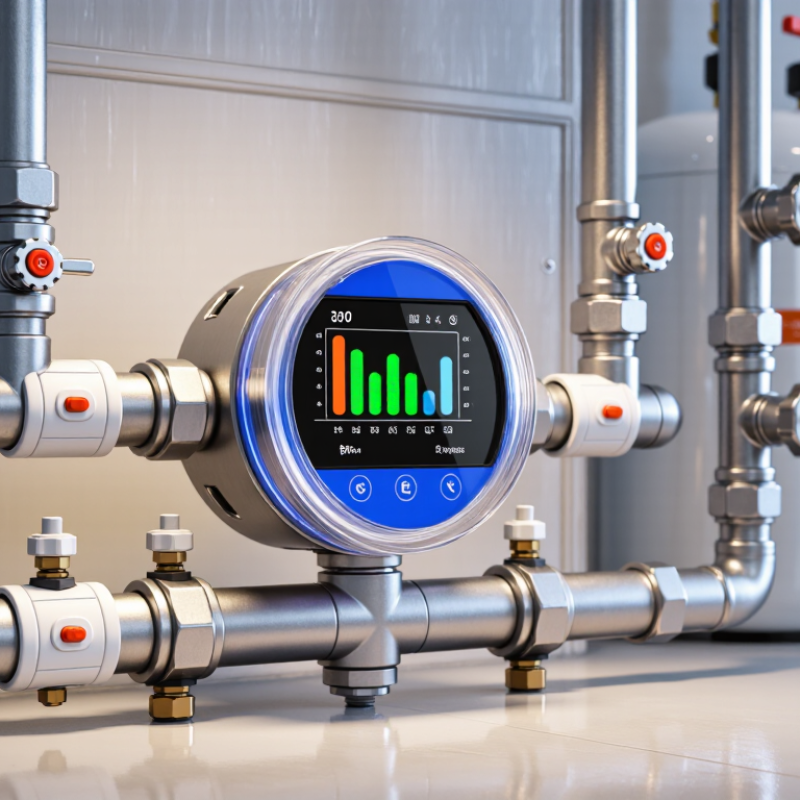
Table of Contents [Hide]
Heat Meter Architecture: Flow, Temperature, and Energy Calculators
Why Choose Heat Meters for Accurate Energy Measurement?
Heat meter architecture depends on three working parts: a flow sensor, temperature sensors, and an energy calculator. The flow sensor measures how much water moves through the pipe. Temperature sensors record supply and return temperatures. Their difference shows how much heat the building has released. Small errors matter.
In field commissioning, I check sensor placement before trusting the final reading. The supply sensor belongs on the hotter pipe, while the return sensor measures cooler water. The calculator combines flow volume, temperature difference, and the fluid’s heat capacity. It then reports consumed energy, often in kilowatt-hours or megawatt-hours. Clear wiring and stable communication also support reliable data.
Tips: Keep sensors fully immersed and installed in the correct flow direction. Remove air pockets near the measuring section. Compare readings with operating conditions, not only factory specifications. I still recheck unusual results, because a clean display can hide poor installation. Pipe insulation, calibration records, and regular inspections improve confidence, but no system is perfect. A blocked strainer, loose cable, or drifting sensor can quietly distort consumption figures.

© Copyright - Pro Tool & Supply - Site by SVM E-Marketing Solutions - Sitemap
- Privacy policy