- Products
- Air Compressors & Air Tools
- Climate Control
- Compaction Equipment
- Concrete Cutting Tools & Equipment
- Concrete and Masonry
- Demolition & Excavation
- Electrical & Mechanical
- Fasteners and Anchoring Adhesives
- Floor Protection
- Generators and Welders
- Hand Tools
- Heaters
- Janitorial and Office Supplies
- Jobsite Protection
- Ladders & Storage
- Lighting & Lighting Accessories
- Man Lifts
- Material Handling Equipment
- Power Tools
- Pressure Washers & Pumps
- Safety Gear
- Safety Products
- Saws
- Surface Preparation
- SEASONAL PRODUCTS
- Rentals
- Air Compressor and Air Tool Rentals
- Climate Control Rental
- Compaction Rentals
- Concrete Equipment Rentals
- Demolition & Excavation Equipment Rentals
- Concrete Floor Grinder Rentals
- General Construction Equipment Rentals
- Generator Rentals and Welder Rentals
- Heater Rentals
- Light Tower Rentals
- Man Lift Rentals in Massachusetts and Rhode Island
- Material Handling Equipment Rentals
- Pressure Washer & Pump Rentals
- Saw Rentals in New England
- SEASONAL PRODUCTS
- Products
- Air Compressors & Air Tools
- Climate Control
- Compaction Equipment
- Concrete Cutting Tools & Equipment
- Demolition & Excavation
- Electrical & Mechanical
- Floor Protection
- Generators and Welders
- Construction Heaters
- Construction Ladders, Staging, & Storage
- Construction Lighting
- Man Lifts
- Material Handling Equipment
- Industrial Janitorial and Office Supplies
- Pressure Washers & Pumps
- Construction Safety Products
- Construction Safety Gear
- Surface Preparation
- Building Protection
- Diesel Accessories
- Zero Emissions
- Rentals
- Air Compressor and Air Tool Rentals
- Climate Control Rental
- Compaction Rentals
- Concrete Equipment Rental
- Demolition & Excavation Equipment Rental
- General Construction Equipment Rental
- Generator Rentals and Welder Rentals
- Construction Heaters Rental
- Light Tower Rentals
- Man Lift Rentals
- Material Handling Equipment Rental
- Pressure Washer & Pump Rentals
- Saw Rentals in New England
- Concrete Floor Grinder Rentals
- Zero Emissions Rentals
- Repairs & Used
- Parts
- Blog
- Services
- Resources
- About Us
- Contact Us
Sales & Rental of Construction | Industrial Equipment & Supplies


Top RO Plant Water Chillers for Global Buyers
The global demand for reliable water treatment is reshaping how buyers evaluate reverse osmosis infrastructure. The United Nations World Water Development Report 2024 highlights growing water stress, while the International Energy Agency identifies efficiency as a central concern across energy-intensive systems. These pressures make the Ro Plant Water Chiller more than a supporting component. It can stabilize feedwater temperature, protect membrane performance, and reduce avoidable operating fluctuations.
Temperature matters.
A warmer feed stream may increase permeate production, but it can also accelerate scaling, biofouling, and membrane degradation. A properly selected chiller keeps process conditions steadier, especially in coastal facilities, containerized plants, and factories exposed to intense sunlight. Professor Menachem Elimelech, a leading desalination researcher, has stated, “Energy consumption is a major challenge in desalination.” His observation remains highly relevant when buyers compare compressor efficiency, heat-rejection design, refrigerant choice, and control accuracy. (Elimelech and Phillip, Science, 2011.)
This guide examines leading Ro Plant Water Chiller options for global buyers. It considers cooling capacity, water quality, ambient conditions, maintenance access, and lifecycle cost. The Global Water Intelligence DesalData platform also shows how varied desalination projects are by region and application, so one specification cannot fit every plant. That point is easy to overlook. A compact 10°C process loop may suit a beverage facility, while a large seawater plant requires stronger corrosion protection and redundancy. Buyers should question attractive efficiency claims unless test conditions are clearly disclosed. Real performance can change under dust, humidity, voltage instability, and incomplete maintenance records.
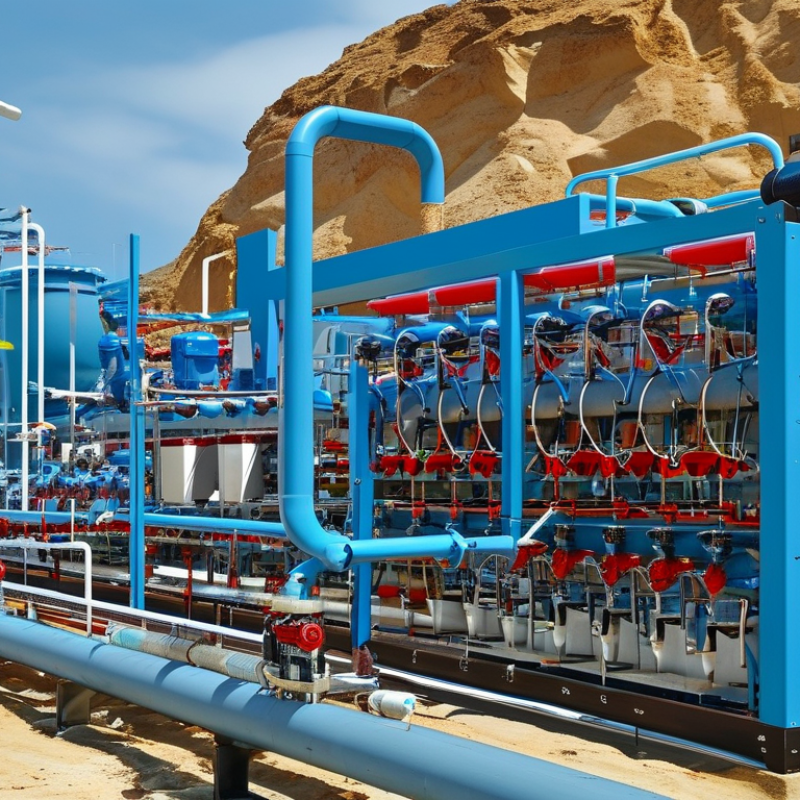
Table of Contents [Hide]
RO Chiller Basics: Target Feed Temperatures of 20–25°C
For global RO plant buyers, feed temperature is a practical design factor, not a minor operating detail. Most systems perform reliably when feed water stays between 20 and 25°C. This range supports predictable membrane permeability and helps maintain stable production rates.
Water that is too warm may increase permeate flow, but it can also raise salt passage and disturb product quality. Cold water becomes more viscous, forcing higher pressure or reducing output. A properly selected water chiller keeps the feed temperature steady before it reaches the membrane vessels. Operators should install temperature sensors near the RO inlet, not only inside the chiller circuit. Small location errors can hide real process changes.
In daily operation, a buffer tank can soften sudden temperature swings. This matters when groundwater, storage tanks, and cleaning cycles create different feed conditions. Chiller capacity should match flow rate, inlet temperature, ambient heat, and required pull-down time. Oversizing is not always safer; it may cause short cycling and unstable control. Undersizing is worse.
A 22°C setpoint often provides a useful starting point. Still, each membrane system needs verification through pressure, conductivity, and flow readings. I have seen operators focus on temperature alone and miss fouling or scaling. That is an imperfect approach. Chilled water does not correct poor pretreatment, blocked filters, or inaccurate instruments. Regular calibration and recorded inlet trends give buyers stronger evidence when selecting and operating RO plant water chillers.

© Copyright - Pro Tool & Supply - Site by SVM E-Marketing Solutions - Sitemap
- Privacy policy