- Products
- Air Compressors & Air Tools
- Climate Control
- Compaction Equipment
- Concrete Cutting Tools & Equipment
- Concrete and Masonry
- Demolition & Excavation
- Electrical & Mechanical
- Fasteners and Anchoring Adhesives
- Floor Protection
- Generators and Welders
- Hand Tools
- Heaters
- Janitorial and Office Supplies
- Jobsite Protection
- Ladders & Storage
- Lighting & Lighting Accessories
- Man Lifts
- Material Handling Equipment
- Power Tools
- Pressure Washers & Pumps
- Safety Gear
- Safety Products
- Saws
- Surface Preparation
- SEASONAL PRODUCTS
- Rentals
- Air Compressor and Air Tool Rentals
- Climate Control Rental
- Compaction Rentals
- Concrete Equipment Rentals
- Demolition & Excavation Equipment Rentals
- Concrete Floor Grinder Rentals
- General Construction Equipment Rentals
- Generator Rentals and Welder Rentals
- Heater Rentals
- Light Tower Rentals
- Man Lift Rentals in Massachusetts and Rhode Island
- Material Handling Equipment Rentals
- Pressure Washer & Pump Rentals
- Saw Rentals in New England
- SEASONAL PRODUCTS
- Products
- Air Compressors & Air Tools
- Climate Control
- Compaction Equipment
- Concrete Cutting Tools & Equipment
- Demolition & Excavation
- Electrical & Mechanical
- Floor Protection
- Generators and Welders
- Construction Heaters
- Construction Ladders, Staging, & Storage
- Construction Lighting
- Man Lifts
- Material Handling Equipment
- Industrial Janitorial and Office Supplies
- Pressure Washers & Pumps
- Construction Safety Products
- Construction Safety Gear
- Surface Preparation
- Building Protection
- Diesel Accessories
- Zero Emissions
- Rentals
- Air Compressor and Air Tool Rentals
- Climate Control Rental
- Compaction Rentals
- Concrete Equipment Rental
- Demolition & Excavation Equipment Rental
- General Construction Equipment Rental
- Generator Rentals and Welder Rentals
- Construction Heaters Rental
- Light Tower Rentals
- Man Lift Rentals
- Material Handling Equipment Rental
- Pressure Washer & Pump Rentals
- Saw Rentals in New England
- Concrete Floor Grinder Rentals
- Zero Emissions Rentals
- Repairs & Used
- Parts
- Blog
- Services
- Resources
- About Us
- Contact Us
Sales & Rental of Construction | Industrial Equipment & Supplies


What Is a Fuse Clamp and How Does It Work?
A Fuse Clamp is a small but important component in electrical protection systems. It secures a fuse, maintains electrical contact, and helps prevent movement caused by vibration, heat, or repeated maintenance. Inside a control panel, its role is easy to overlook. Its failure is not.
NFPA reports that U.S. fire departments responded to an estimated 32,650 home fires involving electrical distribution and lighting equipment annually from 2015 to 2019. These fires caused approximately 500 civilian deaths, 1,270 injuries, and $1.3 billion in property damage. A properly selected Fuse Clamp cannot prevent every fault. It can, however, support stable connections and reliable overcurrent protection. IEC 60269 also emphasizes correct fuse selection, rated current, voltage, and interrupting capacity. Small details matter.
Electrical safety educator Mike Holt expresses the practical principle clearly: “Protect the conductor, not merely the appliance.” That idea explains why clamp pressure, terminal fit, material quality, and heat resistance deserve careful attention. A loose clamp may create resistance. Resistance produces heat. Heat can damage insulation before the fuse operates. The chain is simple, but real installations are rarely perfect. Dust, corrosion, poor torque, and rushed replacement work can quietly weaken performance. This guide examines what a Fuse Clamp is, how it works, and where installation decisions may still require professional judgment. Sometimes, the smallest component deserves the closest inspection.
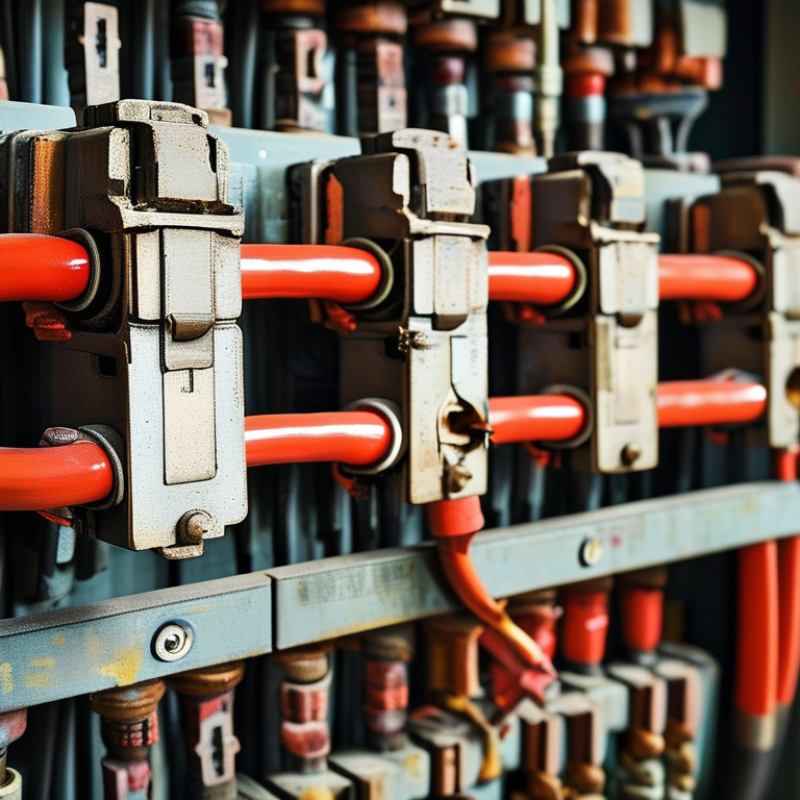
Table of Contents [Hide]
Definition and Purpose of a Fuse Clamp
A fuse clamp is a mechanical and conductive component that holds a fuse securely inside an electrical circuit. Its purpose is simple: maintain steady contact while the fuse carries normal current. If excessive current occurs, the fuse element melts and interrupts the circuit. The clamp then helps isolate the failed fuse and supports safe replacement.
A reliable clamp needs firm pressure, suitable conductivity, and resistance to heat, vibration, and corrosion. Loose contact can create hot spots. That risk matters because the NFPA reported approximately 1.5 million fires in the United States during 2022, with electrical equipment remaining an important ignition source. A clamp cannot prevent every electrical failure. It can reduce connection-related stress when correctly selected and installed.
In practical maintenance, technicians inspect discoloration, spring tension, oxidation, and damaged insulation. The fuse rating must match the circuit design, not merely the available space. Standards such as IEC 60269 and UL 4248 provide important guidance for fuse systems and holders. However, standards do not replace site judgment. A clamp may look acceptable while losing pressure internally. That is an easy detail to miss. Regular inspection, torque control, and thermal checks improve reliability, although field conditions can still expose weaknesses that laboratory testing does not reveal.

© Copyright - Pro Tool & Supply - Site by SVM E-Marketing Solutions - Sitemap
- Privacy policy