- Products
- Air Compressors & Air Tools
- Climate Control
- Compaction Equipment
- Concrete Cutting Tools & Equipment
- Concrete and Masonry
- Demolition & Excavation
- Electrical & Mechanical
- Fasteners and Anchoring Adhesives
- Floor Protection
- Generators and Welders
- Hand Tools
- Heaters
- Janitorial and Office Supplies
- Jobsite Protection
- Ladders & Storage
- Lighting & Lighting Accessories
- Man Lifts
- Material Handling Equipment
- Power Tools
- Pressure Washers & Pumps
- Safety Gear
- Safety Products
- Saws
- Surface Preparation
- SEASONAL PRODUCTS
- Rentals
- Air Compressor and Air Tool Rentals
- Climate Control Rental
- Compaction Rentals
- Concrete Equipment Rentals
- Demolition & Excavation Equipment Rentals
- Concrete Floor Grinder Rentals
- General Construction Equipment Rentals
- Generator Rentals and Welder Rentals
- Heater Rentals
- Light Tower Rentals
- Man Lift Rentals in Massachusetts and Rhode Island
- Material Handling Equipment Rentals
- Pressure Washer & Pump Rentals
- Saw Rentals in New England
- SEASONAL PRODUCTS
- Products
- Air Compressors & Air Tools
- Climate Control
- Compaction Equipment
- Concrete Cutting Tools & Equipment
- Demolition & Excavation
- Electrical & Mechanical
- Floor Protection
- Generators and Welders
- Construction Heaters
- Construction Ladders, Staging, & Storage
- Construction Lighting
- Man Lifts
- Material Handling Equipment
- Industrial Janitorial and Office Supplies
- Pressure Washers & Pumps
- Construction Safety Products
- Construction Safety Gear
- Surface Preparation
- Building Protection
- Diesel Accessories
- Zero Emissions
- Rentals
- Air Compressor and Air Tool Rentals
- Climate Control Rental
- Compaction Rentals
- Concrete Equipment Rental
- Demolition & Excavation Equipment Rental
- General Construction Equipment Rental
- Generator Rentals and Welder Rentals
- Construction Heaters Rental
- Light Tower Rentals
- Man Lift Rentals
- Material Handling Equipment Rental
- Pressure Washer & Pump Rentals
- Saw Rentals in New England
- Concrete Floor Grinder Rentals
- Zero Emissions Rentals
- Repairs & Used
- Parts
- Blog
- Services
- Resources
- About Us
- Contact Us
Sales & Rental of Construction | Industrial Equipment & Supplies


What is an Evaporative Air Cooler and How Does It Work?
Evaporative air coolers are innovative devices designed to provide cooling in a more efficient way. They use the natural process of evaporation to reduce heat. This makes them an attractive option for those seeking environmental sustainability. Unlike traditional air conditioning units, evaporative air coolers work by pulling warm air through water-saturated pads. The water evaporates, cooling the air before it circulates in the room.
The advantages of an evaporative air cooler are notable. They consume less energy, often leading to lower utility bills. Additionally, they can increase humidity levels in dry climates, providing relief in regions suffering from arid conditions. However, these units may not perform well in high humidity areas. It's essential for users to consider their local climate when choosing this cooling method.
While evaporative air coolers offer a cost-effective solution, some may find them less powerful than conventional air conditioners. Understanding how they work helps users maximize their effectiveness. Users should regularly maintain their units for optimal performance. Reflecting on these details reveals the complexities of choosing the right cooling system.
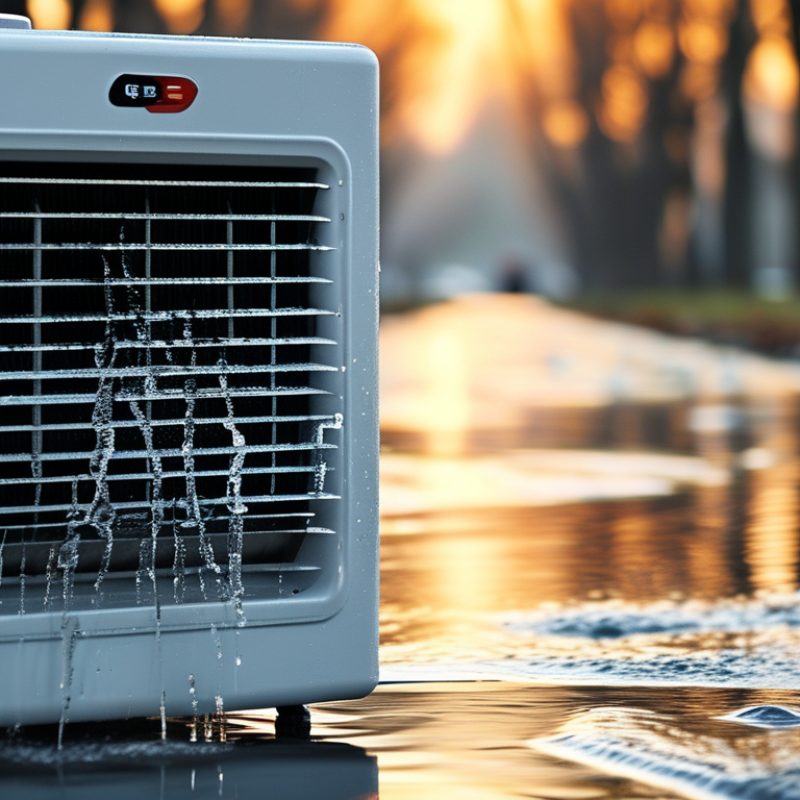
Table of Contents [Hide]
What is an Evaporative Air Cooler? Definition and Overview
Evaporative air coolers, often referred to as swamp coolers, offer a refreshing alternative to traditional air conditioning. These devices work by utilizing the natural process of evaporation to reduce temperature. When warm air passes over a wet surface, such as moistened pads, the water evaporates, absorbing heat and thus cooling the air. This method is energy-efficient and eco-friendly, making it appealing in dry, hot climates.
Understanding how evaporative air coolers function is crucial. They draw in hot air, filter it, and pass it through water-saturated pads. The result? Cooler, more humid air that is then circulated into the space. This process not only cools but also adds necessary humidity. However, it’s important to note that they work best in areas with low humidity levels. In places with high humidity, their effectiveness diminishes significantly.
Despite their advantages, evaporative coolers have their challenges. They require regular maintenance, such as cleaning and replacing pads. They also use more water than traditional air conditioning systems, which could lead to issues in regions facing water shortages. Potential users must weigh these factors carefully. Understanding how these systems operate and recognizing their limitations can lead to better use and satisfaction.

© Copyright - Pro Tool & Supply - Site by SVM E-Marketing Solutions - Sitemap
- Privacy policy