- Products
- Air Compressors & Air Tools
- Climate Control
- Compaction Equipment
- Concrete Cutting Tools & Equipment
- Concrete and Masonry
- Demolition & Excavation
- Electrical & Mechanical
- Fasteners and Anchoring Adhesives
- Floor Protection
- Generators and Welders
- Hand Tools
- Heaters
- Janitorial and Office Supplies
- Jobsite Protection
- Ladders & Storage
- Lighting & Lighting Accessories
- Man Lifts
- Material Handling Equipment
- Power Tools
- Pressure Washers & Pumps
- Safety Gear
- Safety Products
- Saws
- Surface Preparation
- SEASONAL PRODUCTS
- Rentals
- Air Compressor and Air Tool Rentals
- Climate Control Rental
- Compaction Rentals
- Concrete Equipment Rentals
- Demolition & Excavation Equipment Rentals
- Concrete Floor Grinder Rentals
- General Construction Equipment Rentals
- Generator Rentals and Welder Rentals
- Heater Rentals
- Light Tower Rentals
- Man Lift Rentals in Massachusetts and Rhode Island
- Material Handling Equipment Rentals
- Pressure Washer & Pump Rentals
- Saw Rentals in New England
- SEASONAL PRODUCTS
- Products
- Air Compressors & Air Tools
- Climate Control
- Compaction Equipment
- Concrete Cutting Tools & Equipment
- Demolition & Excavation
- Electrical & Mechanical
- Floor Protection
- Generators and Welders
- Construction Heaters
- Construction Ladders, Staging, & Storage
- Construction Lighting
- Man Lifts
- Material Handling Equipment
- Industrial Janitorial and Office Supplies
- Pressure Washers & Pumps
- Construction Safety Products
- Construction Safety Gear
- Surface Preparation
- Building Protection
- Diesel Accessories
- Zero Emissions
- Rentals
- Air Compressor and Air Tool Rentals
- Climate Control Rental
- Compaction Rentals
- Concrete Equipment Rental
- Demolition & Excavation Equipment Rental
- General Construction Equipment Rental
- Generator Rentals and Welder Rentals
- Construction Heaters Rental
- Light Tower Rentals
- Man Lift Rentals
- Material Handling Equipment Rental
- Pressure Washer & Pump Rentals
- Saw Rentals in New England
- Concrete Floor Grinder Rentals
- Zero Emissions Rentals
- Repairs & Used
- Parts
- Blog
- Services
- Resources
- About Us
- Contact Us
Sales & Rental of Construction | Industrial Equipment & Supplies


Why Are All Tools Essential for Successful Project Management?
In the complex landscape of project management, the integration and utilization of "all tools" are pivotal for achieving success. As noted by renowned project management expert Dr. Emily Lawson, "The right tools empower teams, streamline processes, and ultimately drive project success." This sentiment underscores the vital role that a diverse range of tools plays in overseeing projects, from planning phases to execution and monitoring. In an era where time is of the essence, having access to a comprehensive suite of tools can significantly enhance productivity, communication, and collaboration among team members.
Project management today demands a multifaceted approach, where techniques and methodologies converge, necessitating the use of all available resources. With advancements in technology, project managers are blessed with an array of digital tools that facilitate every aspect of project execution. Whether it's time tracking, resource allocation, or risk management, the proper selection and implementation of these tools can mean the difference between project stagnation and successful delivery. Therefore, understanding the significance of all tools in a project manager's arsenal is essential for not only navigating the challenges of modern projects but also for fostering an environment that thrives on efficiency and innovation.

Table of Contents
[Hide]
The Importance of Tools in Project Management Success
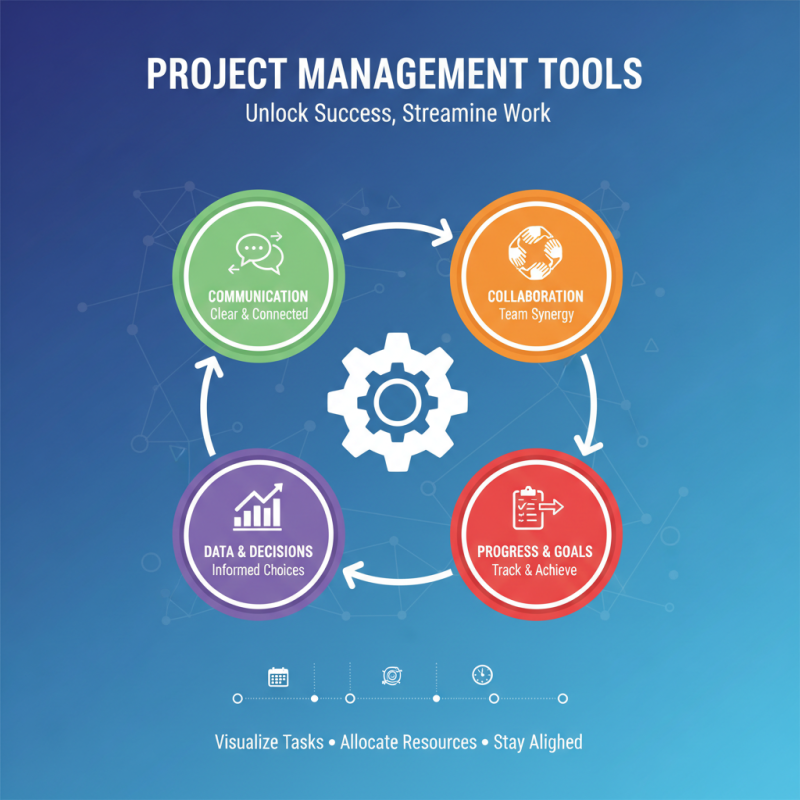
In the realm of project management, tools play a crucial role in ensuring the success of any initiative. These tools streamline communication, enhance collaboration, and provide essential data for decision-making. By utilizing project management software or methodologies, teams can visualize their tasks, track progress, and effectively allocate resources. This structured approach minimizes misunderstandings and keeps all members aligned with the project’s goals.
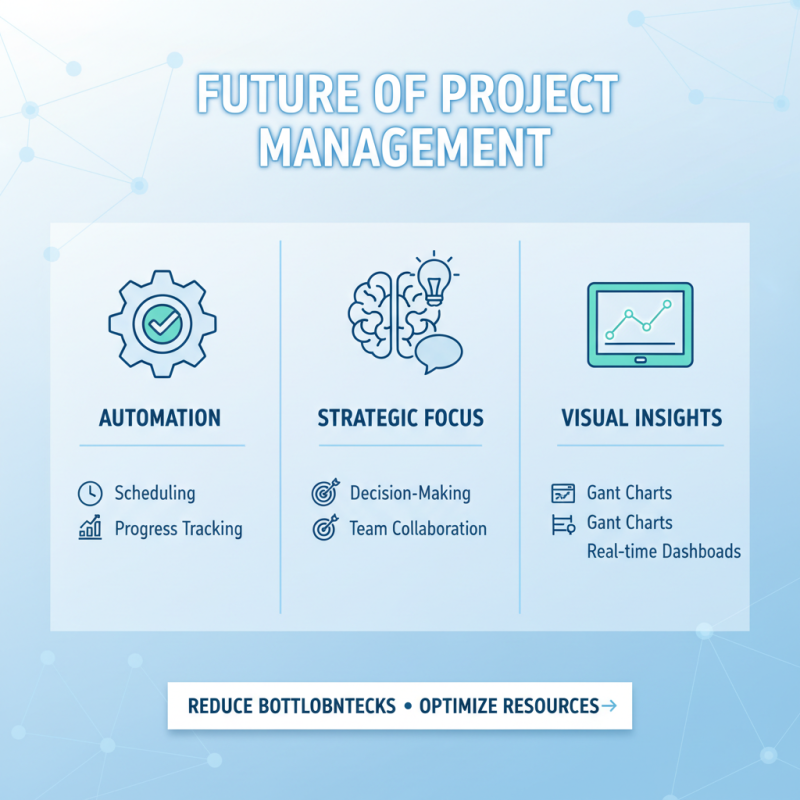
Moreover, the importance of tools extends beyond mere organization. They empower project managers to analyze risks, anticipate challenges, and devise strategies proactively. Through analytics and reporting features, tools can illuminate performance metrics, allowing for adjustments in real-time. This responsive capability is vital in dynamic environments where changes are frequent and often unavoidable. Ultimately, the right tools not only facilitate the orderly execution of projects but also enhance the likelihood of achieving desired outcomes within the designated timelines.
Related Posts
-
Unlocking the Power of All Tools for Everyday Productivity and Creativity
-
Why You Need Professional Tools for Effective Content Creation and Management
-

2025 Guide: How to Choose the Best Electric Heaters for Your Home
-
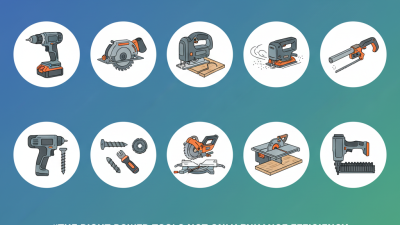
Top 10 Essential Power Tools Every DIYer Needs in 2023
-
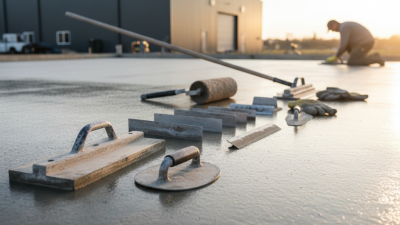
Best Concrete Finishing Tools You Need for a Perfect Smooth Finish
-

Top 10 Tips for Choosing the Best Electric Heaters for Your Home

© Copyright - Pro Tool & Supply - Site by SVM E-Marketing Solutions - Sitemap
- Privacy policy