- Products
- Air Compressors & Air Tools
- Climate Control
- Compaction Equipment
- Concrete Cutting Tools & Equipment
- Concrete and Masonry
- Demolition & Excavation
- Electrical & Mechanical
- Fasteners and Anchoring Adhesives
- Floor Protection
- Generators and Welders
- Hand Tools
- Heaters
- Janitorial and Office Supplies
- Jobsite Protection
- Ladders & Storage
- Lighting & Lighting Accessories
- Man Lifts
- Material Handling Equipment
- Power Tools
- Pressure Washers & Pumps
- Safety Gear
- Safety Products
- Saws
- Surface Preparation
- SEASONAL PRODUCTS
- Rentals
- Air Compressor and Air Tool Rentals
- Climate Control Rental
- Compaction Rentals
- Concrete Equipment Rentals
- Demolition & Excavation Equipment Rentals
- Concrete Floor Grinder Rentals
- General Construction Equipment Rentals
- Generator Rentals and Welder Rentals
- Heater Rentals
- Light Tower Rentals
- Man Lift Rentals in Massachusetts and Rhode Island
- Material Handling Equipment Rentals
- Pressure Washer & Pump Rentals
- Saw Rentals in New England
- SEASONAL PRODUCTS
- Products
- Air Compressors & Air Tools
- Climate Control
- Compaction Equipment
- Concrete Cutting Tools & Equipment
- Demolition & Excavation
- Electrical & Mechanical
- Floor Protection
- Generators and Welders
- Construction Heaters
- Construction Ladders, Staging, & Storage
- Construction Lighting
- Man Lifts
- Material Handling Equipment
- Industrial Janitorial and Office Supplies
- Pressure Washers & Pumps
- Construction Safety Products
- Construction Safety Gear
- Surface Preparation
- Building Protection
- Diesel Accessories
- Zero Emissions
- Rentals
- Air Compressor and Air Tool Rentals
- Climate Control Rental
- Compaction Rentals
- Concrete Equipment Rental
- Demolition & Excavation Equipment Rental
- General Construction Equipment Rental
- Generator Rentals and Welder Rentals
- Construction Heaters Rental
- Light Tower Rentals
- Man Lift Rentals
- Material Handling Equipment Rental
- Pressure Washer & Pump Rentals
- Saw Rentals in New England
- Concrete Floor Grinder Rentals
- Zero Emissions Rentals
- Repairs & Used
- Parts
- Blog
- Services
- Resources
- About Us
- Contact Us
Sales & Rental of Construction | Industrial Equipment & Supplies


Essential Tips for Choosing the Right FRP Pipe Machine?
Choosing the right frp pipe machine is crucial for manufacturing efficiency. With so many options available, it can be overwhelming. The market offers various models, each with unique features and specifications. An informed decision can lead to better production outcomes and cost savings.
Understanding your specific needs becomes essential. Factors such as pipe size, material type, and production speed play significant roles. You should assess what your project requires before diving into options. Often, many forget to consider maintenance and repair aspects. An overlooked feature can cripple productivity later.
Navigating through technical specifications can be challenging. Do not hesitate to seek advice from industry experts. Their insights can provide valuable perspectives. Ultimately, your choice of frp pipe machine should strike a balance between technology, efficiency, and cost. Emphasize what truly matters to your production capabilities.
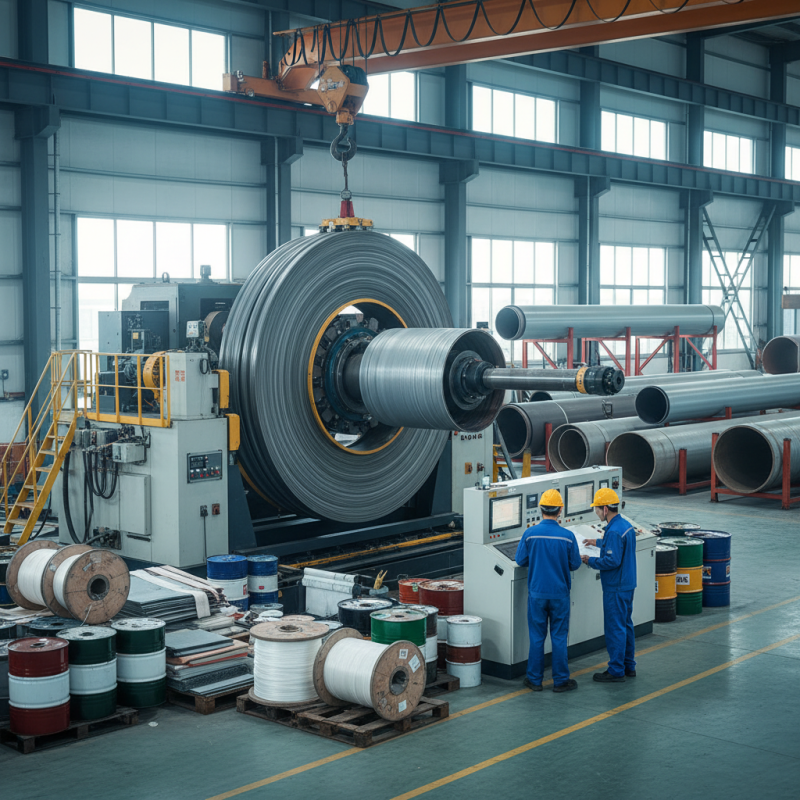
Table of Contents [Hide]
Understanding FRP Pipe Machine Technology and Applications
FRP (Fiberglass Reinforced Plastic) pipe machines play a critical role in modern infrastructure. They are essential for producing durable, corrosion-resistant pipes. These machines cater to various sectors, such as water treatment, oil and gas, and chemical processing. According to a recent industry report, the global FRP pipe market is expected to reach USD 10 billion by 2025, growing at a CAGR of over 6%. This rise highlights the increasing demand for high-performance materials.
The technology behind FRP pipe machines combines innovation and practicality. Understanding the production process is vital. It starts with raw materials, often involving resin, glass fibers, and additives. These components are meticulously mixed and formed into pipes through advanced processes. Additionally, users must consider the machine's capacity and efficiency. A poorly chosen machine may result in production delays and waste. It's crucial to analyze the cost-effectiveness of the chosen technology. While high-quality machines may require a larger investment, they often yield better long-term returns.
Moreover, recognizing the specific applications of FRP pipes can influence machine selection. For instance, pipes used in wastewater management may require different specifications than those for chemical transportation. Not all machines can adapt to these diverse requirements. This gap could lead to suboptimal production. Industry experts recommend evaluating machine features closely, ensuring they align with intended applications. Understanding these nuances is crucial for making informed decisions in a competitive market.

© Copyright - Pro Tool & Supply - Site by SVM E-Marketing Solutions - Sitemap
- Privacy policy