- Products
- Air Compressors & Air Tools
- Climate Control
- Compaction Equipment
- Concrete Cutting Tools & Equipment
- Concrete and Masonry
- Demolition & Excavation
- Electrical & Mechanical
- Fasteners and Anchoring Adhesives
- Floor Protection
- Generators and Welders
- Hand Tools
- Heaters
- Janitorial and Office Supplies
- Jobsite Protection
- Ladders & Storage
- Lighting & Lighting Accessories
- Man Lifts
- Material Handling Equipment
- Power Tools
- Pressure Washers & Pumps
- Safety Gear
- Safety Products
- Saws
- Surface Preparation
- SEASONAL PRODUCTS
- Rentals
- Air Compressor and Air Tool Rentals
- Climate Control Rental
- Compaction Rentals
- Concrete Equipment Rentals
- Demolition & Excavation Equipment Rentals
- Concrete Floor Grinder Rentals
- General Construction Equipment Rentals
- Generator Rentals and Welder Rentals
- Heater Rentals
- Light Tower Rentals
- Man Lift Rentals in Massachusetts and Rhode Island
- Material Handling Equipment Rentals
- Pressure Washer & Pump Rentals
- Saw Rentals in New England
- SEASONAL PRODUCTS
- Products
- Air Compressors & Air Tools
- Climate Control
- Compaction Equipment
- Concrete Cutting Tools & Equipment
- Demolition & Excavation
- Electrical & Mechanical
- Floor Protection
- Generators and Welders
- Construction Heaters
- Construction Ladders, Staging, & Storage
- Construction Lighting
- Man Lifts
- Material Handling Equipment
- Industrial Janitorial and Office Supplies
- Pressure Washers & Pumps
- Construction Safety Products
- Construction Safety Gear
- Surface Preparation
- Building Protection
- Diesel Accessories
- Zero Emissions
- Rentals
- Air Compressor and Air Tool Rentals
- Climate Control Rental
- Compaction Rentals
- Concrete Equipment Rental
- Demolition & Excavation Equipment Rental
- General Construction Equipment Rental
- Generator Rentals and Welder Rentals
- Construction Heaters Rental
- Light Tower Rentals
- Man Lift Rentals
- Material Handling Equipment Rental
- Pressure Washer & Pump Rentals
- Saw Rentals in New England
- Concrete Floor Grinder Rentals
- Zero Emissions Rentals
- Repairs & Used
- Parts
- Blog
- Services
- Resources
- About Us
- Contact Us
Sales & Rental of Construction | Industrial Equipment & Supplies


Essential Tips for Choosing an Air Compressor for Air Tools?
Choosing the right air compressor for air tools can be a daunting task. With so many options available, it’s easy to feel overwhelmed. An ideal air compressor will enhance your work efficiency and tool performance. It can also make your projects more enjoyable.
When considering an air compressor for air tools, think about the required CFM (cubic feet per minute). This measurement affects how well your tools operate. Too low CFM can lead to frustration. Also, consider the tank size. A bigger tank provides more air storage but can be bulkier.
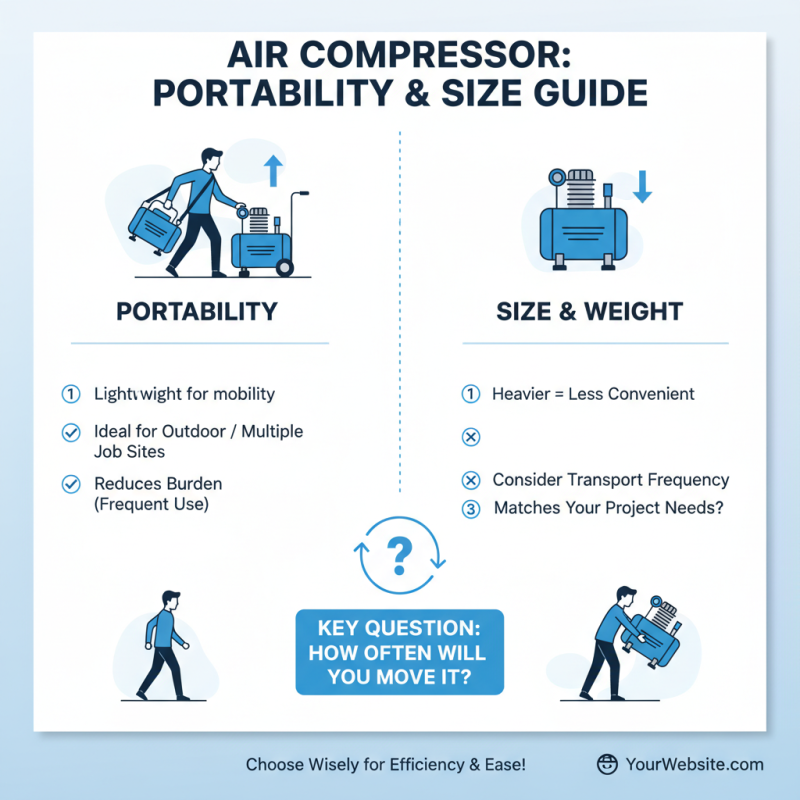
Don’t overlook the importance of portability. Some tasks require mobility, while others don't. It's okay to make mistakes in your choice. Reflecting on your needs will guide you toward the best air compressor for air tools. Ultimately, the right choice balances power and practicality.
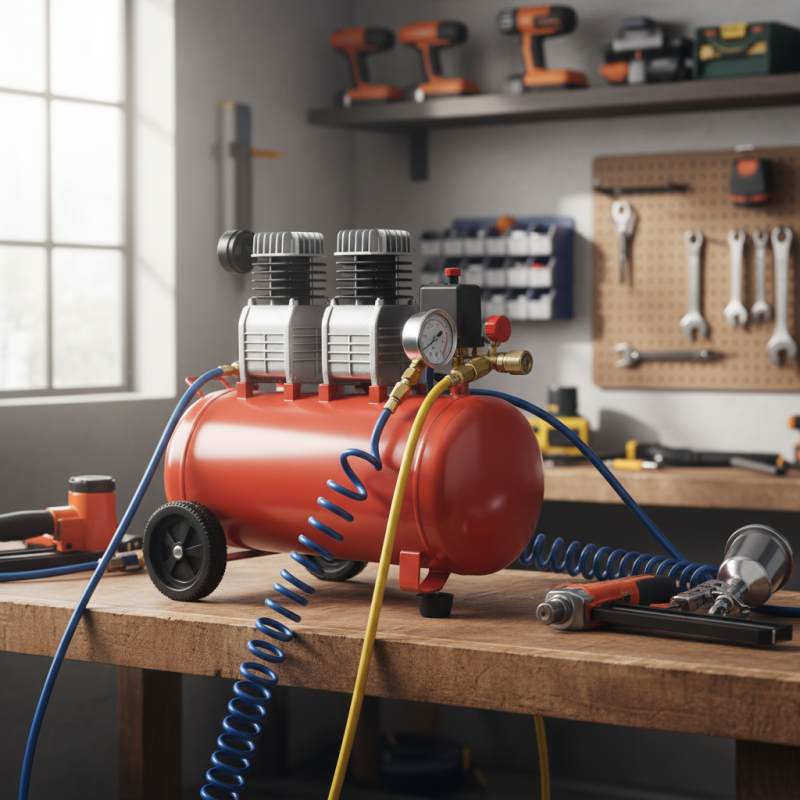
Table of Contents
[Hide]
Understanding the Different Types of Air Compressors for Tools
When selecting an air compressor for air tools, understanding the different types is crucial. There are piston compressors, diaphragm types, and rotary screw compressors. Each type serves specific needs. Piston compressors are often used in home garages. They deliver high pressure, but can be noisy. Diaphragm models are quieter and ideal for lighter tasks. However, they may not provide enough pressure for heavy-duty tools.
Tips: Always check the CFM (cubic feet per minute) rating. It indicates how much air the compressor can deliver. Match this with your tool's requirements. Another point is tank size. A larger tank allows for longer usage without frequent cycling. Yet, a bigger tank means more weight. Consider your space and portability needs.
It's important to reflect on your projects. Think about the tools you'll use most. If you need versatility, a dual-voltage compressor offers more options. Remember that some compressors require maintenance. Ignoring this can lead to performance issues. Balancing power, size, and maintenance is key for a successful choice.
Essential Tips for Choosing an Air Compressor for Air Tools
| Type of Air Compressor | Recommended PSI | Recommended CFM | Best Use for Air Tools |
|---|---|---|---|
| Portable Pancake Compressor | 90-120 PSI | 2.0-3.0 CFM | Nail Guns, Inflating Tires |
| Stationary Reciprocating Compressor | 100-150 PSI | 5.0-15.0 CFM | Spray Guns, Air Ratchets |
| Oil-Free Scroll Compressor | 80-150 PSI | 3.0-4.0 CFM | Precision Tools, CNC Machines |
| Two-Stage Air Compressor | 100-175 PSI | 10.0-20.0 CFM | Heavy-Duty Tools, Large Projects |
| Rotary Screw Compressor | 100-200 PSI | 20.0+ CFM | Continuous Use, Industrial Applications |
Related Posts
-
2025 Top 5 Air Compressors for Air Tools You Should Consider
-
Top 5 Essential Contractor Tools for 2025: Boost Your Efficiency Today!
-

Top 10 Tips for Choosing the Best Electric Heaters for Your Home
-
Top Machine Tools for Precision Engineering You Need to Know About
-

Top 10 New Tools Transforming Digital Workflows You Need to Know About
-
Unlocking Success with the Right Professional Tools for Every Industry

© Copyright - Pro Tool & Supply - Site by SVM E-Marketing Solutions - Sitemap
- Privacy policy