- Products
- Air Compressors & Air Tools
- Climate Control
- Compaction Equipment
- Concrete Cutting Tools & Equipment
- Concrete and Masonry
- Demolition & Excavation
- Electrical & Mechanical
- Fasteners and Anchoring Adhesives
- Floor Protection
- Generators and Welders
- Hand Tools
- Heaters
- Janitorial and Office Supplies
- Jobsite Protection
- Ladders & Storage
- Lighting & Lighting Accessories
- Man Lifts
- Material Handling Equipment
- Power Tools
- Pressure Washers & Pumps
- Safety Gear
- Safety Products
- Saws
- Surface Preparation
- SEASONAL PRODUCTS
- Rentals
- Air Compressor and Air Tool Rentals
- Climate Control Rental
- Compaction Rentals
- Concrete Equipment Rentals
- Demolition & Excavation Equipment Rentals
- Concrete Floor Grinder Rentals
- General Construction Equipment Rentals
- Generator Rentals and Welder Rentals
- Heater Rentals
- Light Tower Rentals
- Man Lift Rentals in Massachusetts and Rhode Island
- Material Handling Equipment Rentals
- Pressure Washer & Pump Rentals
- Saw Rentals in New England
- SEASONAL PRODUCTS
- Products
- Air Compressors & Air Tools
- Climate Control
- Compaction Equipment
- Concrete Cutting Tools & Equipment
- Demolition & Excavation
- Electrical & Mechanical
- Floor Protection
- Generators and Welders
- Construction Heaters
- Construction Ladders, Staging, & Storage
- Construction Lighting
- Man Lifts
- Material Handling Equipment
- Industrial Janitorial and Office Supplies
- Pressure Washers & Pumps
- Construction Safety Products
- Construction Safety Gear
- Surface Preparation
- Building Protection
- Diesel Accessories
- Zero Emissions
- Rentals
- Air Compressor and Air Tool Rentals
- Climate Control Rental
- Compaction Rentals
- Concrete Equipment Rental
- Demolition & Excavation Equipment Rental
- General Construction Equipment Rental
- Generator Rentals and Welder Rentals
- Construction Heaters Rental
- Light Tower Rentals
- Man Lift Rentals
- Material Handling Equipment Rental
- Pressure Washer & Pump Rentals
- Saw Rentals in New England
- Concrete Floor Grinder Rentals
- Zero Emissions Rentals
- Repairs & Used
- Parts
- Blog
- Services
- Resources
- About Us
- Contact Us
Sales & Rental of Construction | Industrial Equipment & Supplies


10 Tips for Choosing a Wireless Intercom Speaker?
Choosing a Wireless Intercom Speaker is not simply about picking the loudest device. It is about creating clear communication in real working conditions. A warehouse may contain metal shelving, moving machinery, and uneven wireless coverage. A school corridor may demand quiet operation and simple controls. Outdoor teams may face wind, rain, and changing distances.
AV communications consultant Mark Brant explains, “The best intercom is the one people can use clearly, quickly, and consistently.” That practical view matters. A speaker can look impressive on a product page but fail beside a running generator. It may also require more technical knowledge than your staff has.
This guide explores 10 Tips for Choosing a Wireless Intercom Speaker, with attention to range, voice clarity, battery life, durability, compatibility, and installation. It also considers details that are easy to overlook, such as button size, charging time, microphone sensitivity, and feedback control. Small design choices can affect every conversation.
Real environments are rarely perfect. Walls block signals. Batteries lose capacity. Users forget instructions. That is normal. The goal is not to find a flawless speaker, because such a product may not exist. The goal is to choose dependable equipment for your actual space, team, and communication habits. A short test in the intended location can reveal more than a long specification sheet. Listen carefully. Check the weak points. Then choose with evidence, not excitement.
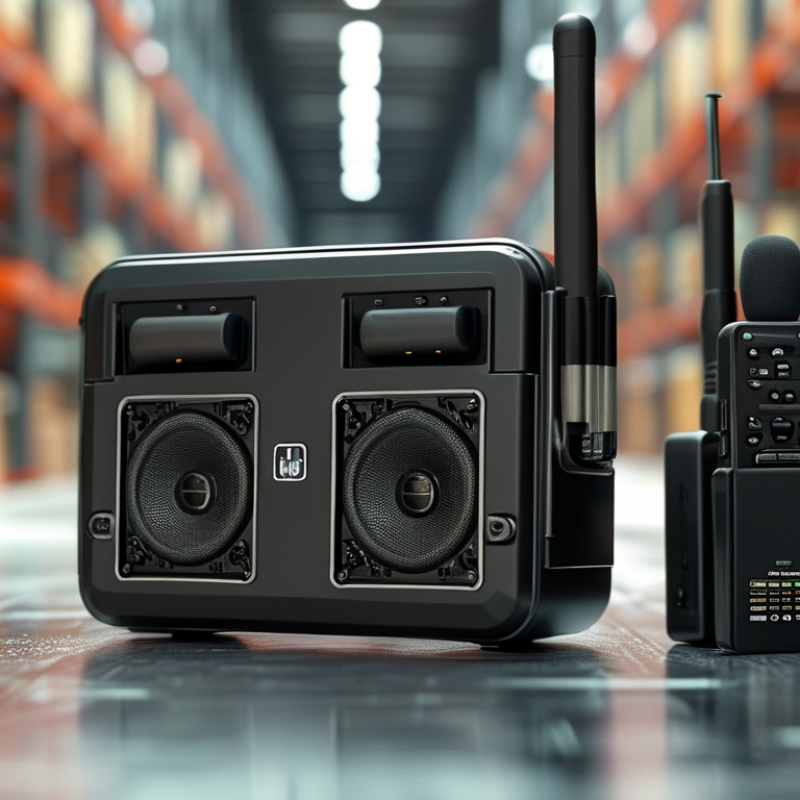
Table of Contents [Hide]
Define Your Wireless Intercom Communication Requirements
10 Tips for Choosing a Wireless Intercom Speaker
Define your wireless intercom communication requirements before comparing speaker specifications. Identify who will speak, who will listen, and where conversations will happen. A reception desk may need quiet, clear audio, while a warehouse needs stronger volume and noise control. Measure the distance between communication points. Note walls, metal shelving, machinery, and outdoor exposure. These details can affect wireless reliability and speech clarity.
Tips:
- List every communication zone.
- Estimate peak user numbers.
- Record background noise levels.
- Check indoor and outdoor locations.
- Set a practical operating range.
- Decide whether hands-free use matters.
- Confirm power availability.
- Define privacy expectations.
- Plan emergency communication needs.
- Set a maintenance schedule.
Do not choose based on loudness alone. Clear speech matters more than raw volume. Ask whether users need one-to-one calls, group announcements, or both. Consider response speed, battery duration, installation effort, and daily handling. Test the speaker in its real environment, not only in a quiet office. I have seen paper specifications look excellent, yet metal barriers weakened performance. That possibility deserves attention. Requirements may change after installation, so leave room for adjustment. A short trial with typical users can reveal confusing controls, missed words, or poor placement. Reliable decisions come from observed use, documented limits, and honest reconsideration.
© Copyright - Pro Tool & Supply - Site by SVM E-Marketing Solutions - Sitemap
- Privacy policy