- Products
- Air Compressors & Air Tools
- Climate Control
- Compaction Equipment
- Concrete Cutting Tools & Equipment
- Concrete and Masonry
- Demolition & Excavation
- Electrical & Mechanical
- Fasteners and Anchoring Adhesives
- Floor Protection
- Generators and Welders
- Hand Tools
- Heaters
- Janitorial and Office Supplies
- Jobsite Protection
- Ladders & Storage
- Lighting & Lighting Accessories
- Man Lifts
- Material Handling Equipment
- Power Tools
- Pressure Washers & Pumps
- Safety Gear
- Safety Products
- Saws
- Surface Preparation
- SEASONAL PRODUCTS
- Rentals
- Air Compressor and Air Tool Rentals
- Climate Control Rental
- Compaction Rentals
- Concrete Equipment Rentals
- Demolition & Excavation Equipment Rentals
- Concrete Floor Grinder Rentals
- General Construction Equipment Rentals
- Generator Rentals and Welder Rentals
- Heater Rentals
- Light Tower Rentals
- Man Lift Rentals in Massachusetts and Rhode Island
- Material Handling Equipment Rentals
- Pressure Washer & Pump Rentals
- Saw Rentals in New England
- SEASONAL PRODUCTS
- Products
- Air Compressors & Air Tools
- Climate Control
- Compaction Equipment
- Concrete Cutting Tools & Equipment
- Demolition & Excavation
- Electrical & Mechanical
- Floor Protection
- Generators and Welders
- Construction Heaters
- Construction Ladders, Staging, & Storage
- Construction Lighting
- Man Lifts
- Material Handling Equipment
- Industrial Janitorial and Office Supplies
- Pressure Washers & Pumps
- Construction Safety Products
- Construction Safety Gear
- Surface Preparation
- Building Protection
- Diesel Accessories
- Zero Emissions
- Rentals
- Air Compressor and Air Tool Rentals
- Climate Control Rental
- Compaction Rentals
- Concrete Equipment Rental
- Demolition & Excavation Equipment Rental
- General Construction Equipment Rental
- Generator Rentals and Welder Rentals
- Construction Heaters Rental
- Light Tower Rentals
- Man Lift Rentals
- Material Handling Equipment Rental
- Pressure Washer & Pump Rentals
- Saw Rentals in New England
- Concrete Floor Grinder Rentals
- Zero Emissions Rentals
- Repairs & Used
- Parts
- Blog
- Services
- Resources
- About Us
- Contact Us
Sales & Rental of Construction | Industrial Equipment & Supplies


Top Electric Vehicle Trends in China for Global Buyers?
The rise of Electric Vehicles (EVs) in China is capturing global attention. In recent years, China has become a leading force in the EV market. The country is pushing the boundaries of technology and innovation within the electric vehicle sector. This rapid growth offers insights for global buyers looking to invest in EVs.
However, this trend is not without its challenges. The competition among manufacturers is fierce. Quality control issues and inconsistent government policies can impact buyer confidence. Moreover, charging infrastructure still faces gaps in rural areas, creating hurdles for users. It is essential for potential buyers to weigh the benefits and drawbacks carefully.
Learning about the electric vehicle trends in China can be invaluable. Emerging technologies and consumer preferences are shaping the industry's future. Understanding these dynamics can help global buyers make informed decisions. Ultimately, the potential of electric vehicles in China is vast, but navigating the market requires awareness and strategic thinking.
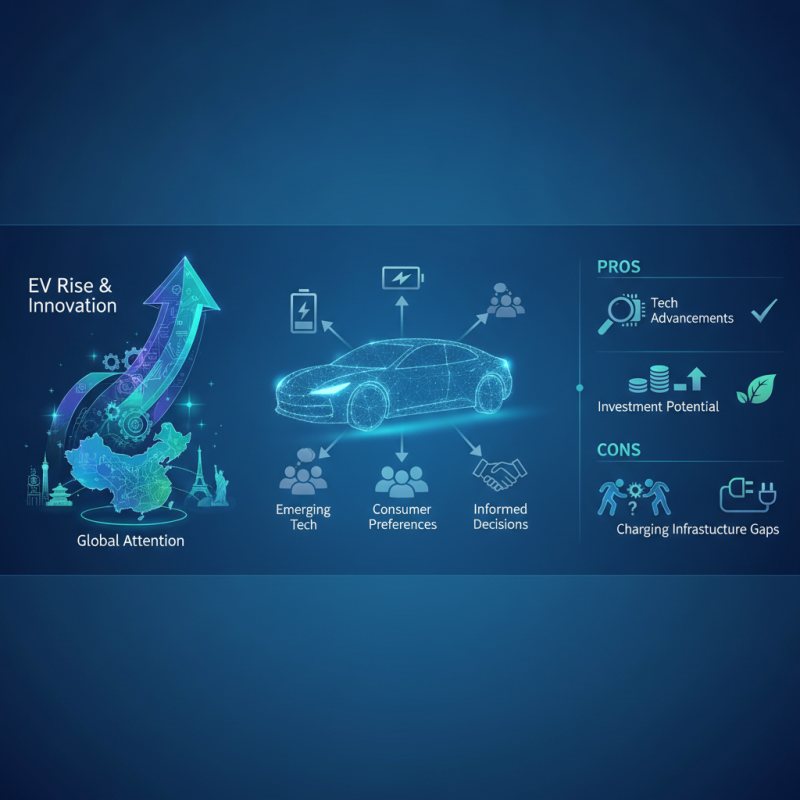
Table of Contents [Hide]
Emergence of New Electric Vehicle Models in China
The electric vehicle (EV) market in China is evolving rapidly. New models are emerging, showcasing innovative designs and cutting-edge technologies. Many of these vehicles offer enhanced performance, greater range, and improved charging efficiencies. Buyers can find options tailored to different needs, from compact city cars to larger SUVs.
Tips: Research the key features of different models. Consider what suits your lifestyle best. Evaluate battery life and safety ratings. Understand the charging infrastructure in your area.
As new players enter the market, competition intensifies. They introduce unique features and attractive pricing strategies. However, navigating this growing landscape can be daunting. Certain emerging models may prioritize style over substance. Potential buyers should take time to compare vehicles thoroughly.
There are also concerns about long-term sustainability. While many manufacturers promote eco-friendliness, not all vehicles meet the highest environmental standards. Buyers should consider the full lifecycle impact of their vehicles, from production to disposal.
Tips: Stay updated on industry news. Attend local EV expos to experience models firsthand. Joining online forums can provide valuable insights from other buyers.

© Copyright - Pro Tool & Supply - Site by SVM E-Marketing Solutions - Sitemap
- Privacy policy