- Products
- Air Compressors & Air Tools
- Climate Control
- Compaction Equipment
- Concrete Cutting Tools & Equipment
- Concrete and Masonry
- Demolition & Excavation
- Electrical & Mechanical
- Fasteners and Anchoring Adhesives
- Floor Protection
- Generators and Welders
- Hand Tools
- Heaters
- Janitorial and Office Supplies
- Jobsite Protection
- Ladders & Storage
- Lighting & Lighting Accessories
- Man Lifts
- Material Handling Equipment
- Power Tools
- Pressure Washers & Pumps
- Safety Gear
- Safety Products
- Saws
- Surface Preparation
- SEASONAL PRODUCTS
- Rentals
- Air Compressor and Air Tool Rentals
- Climate Control Rental
- Compaction Rentals
- Concrete Equipment Rentals
- Demolition & Excavation Equipment Rentals
- Concrete Floor Grinder Rentals
- General Construction Equipment Rentals
- Generator Rentals and Welder Rentals
- Heater Rentals
- Light Tower Rentals
- Man Lift Rentals in Massachusetts and Rhode Island
- Material Handling Equipment Rentals
- Pressure Washer & Pump Rentals
- Saw Rentals in New England
- SEASONAL PRODUCTS
- Products
- Air Compressors & Air Tools
- Climate Control
- Compaction Equipment
- Concrete Cutting Tools & Equipment
- Demolition & Excavation
- Electrical & Mechanical
- Floor Protection
- Generators and Welders
- Construction Heaters
- Construction Ladders, Staging, & Storage
- Construction Lighting
- Man Lifts
- Material Handling Equipment
- Industrial Janitorial and Office Supplies
- Pressure Washers & Pumps
- Construction Safety Products
- Construction Safety Gear
- Surface Preparation
- Building Protection
- Diesel Accessories
- Zero Emissions
- Rentals
- Air Compressor and Air Tool Rentals
- Climate Control Rental
- Compaction Rentals
- Concrete Equipment Rental
- Demolition & Excavation Equipment Rental
- General Construction Equipment Rental
- Generator Rentals and Welder Rentals
- Construction Heaters Rental
- Light Tower Rentals
- Man Lift Rentals
- Material Handling Equipment Rental
- Pressure Washer & Pump Rentals
- Saw Rentals in New England
- Concrete Floor Grinder Rentals
- Zero Emissions Rentals
- Repairs & Used
- Parts
- Blog
- Services
- Resources
- About Us
- Contact Us
Sales & Rental of Construction | Industrial Equipment & Supplies


What is an Electric Garbage Truck and How Does It Work?
Electric Garbage Trucks are revolutionizing waste management. They dramatically reduce emissions and noise pollution. Industry expert Dr. Emily Carter, a leading figure in sustainable transportation, states, “Electric Garbage Trucks are not just cleaner; they are the future of urban logistics.”
These vehicles operate on electric power, utilizing advanced battery technology. They are quieter than traditional trucks, improving community experiences. A transition to Electric Garbage Trucks enhances air quality and aids in climate change efforts. However, challenges exist, such as battery range and charging infrastructure.
It's essential to acknowledge these hurdles as the industry evolves. Not every city is ready for this shift. Yet, the push for sustainable solutions is clear. Electric Garbage Trucks represent a significant step toward greener cities. The potential benefits could outweigh the current limitations.
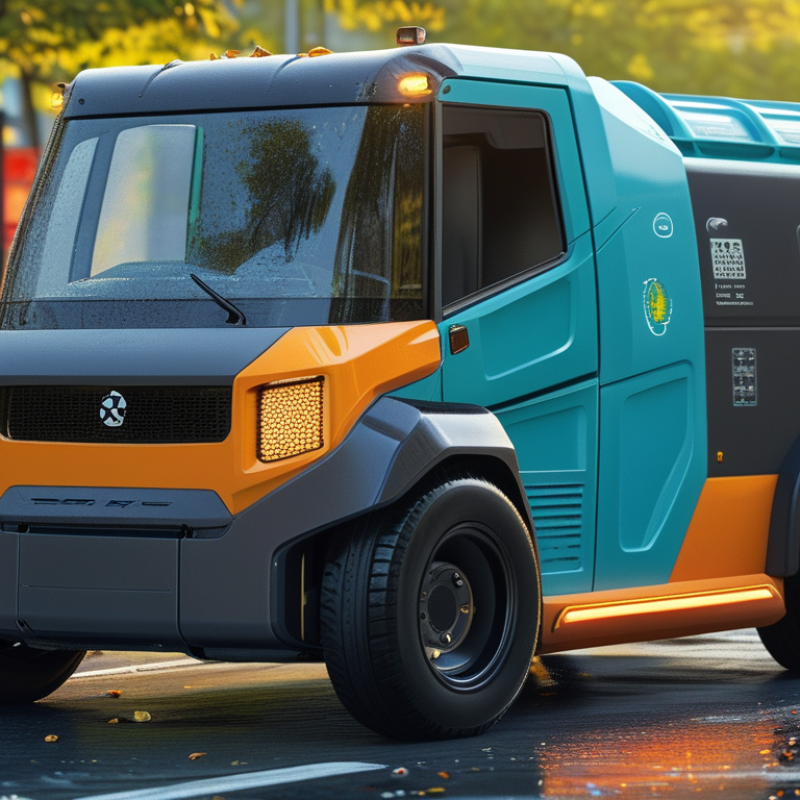
Table of Contents [Hide]
What is an Electric Garbage Truck?
Electric garbage trucks represent a significant shift in waste management technology. They operate on electric power, reducing carbon emissions substantially. According to a recent study from the Department of Energy, these vehicles can lower greenhouse gas emissions by up to 40%. This transition not only helps the environment but also improves air quality in urban areas.
Unlike traditional garbage trucks, electric models feature advanced battery systems. These allow for quieter operation during early morning collections. In fact, noise pollution can be decreased by 50% when using electric trucks, benefiting residential neighborhoods. The vehicles typically have a range of around 100 miles on a single charge, making them suitable for most daily routes.
**Tip:** Consider the charging infrastructure when planning to implement electric garbage trucks. Adequate charging stations are essential for smooth operations. While the initial investment may be high, operational savings can be substantial over time. Keeping track of maintenance costs is also crucial as battery technology continues to evolve. Regular assessments can reveal areas for improvement.

© Copyright - Pro Tool & Supply - Site by SVM E-Marketing Solutions - Sitemap
- Privacy policy