- Products
- Air Compressors & Air Tools
- Climate Control
- Compaction Equipment
- Concrete Cutting Tools & Equipment
- Concrete and Masonry
- Demolition & Excavation
- Electrical & Mechanical
- Fasteners and Anchoring Adhesives
- Floor Protection
- Generators and Welders
- Hand Tools
- Heaters
- Janitorial and Office Supplies
- Jobsite Protection
- Ladders & Storage
- Lighting & Lighting Accessories
- Man Lifts
- Material Handling Equipment
- Power Tools
- Pressure Washers & Pumps
- Safety Gear
- Safety Products
- Saws
- Surface Preparation
- SEASONAL PRODUCTS
- Rentals
- Air Compressor and Air Tool Rentals
- Climate Control Rental
- Compaction Rentals
- Concrete Equipment Rentals
- Demolition & Excavation Equipment Rentals
- Concrete Floor Grinder Rentals
- General Construction Equipment Rentals
- Generator Rentals and Welder Rentals
- Heater Rentals
- Light Tower Rentals
- Man Lift Rentals in Massachusetts and Rhode Island
- Material Handling Equipment Rentals
- Pressure Washer & Pump Rentals
- Saw Rentals in New England
- SEASONAL PRODUCTS
- Products
- Air Compressors & Air Tools
- Climate Control
- Compaction Equipment
- Concrete Cutting Tools & Equipment
- Demolition & Excavation
- Electrical & Mechanical
- Floor Protection
- Generators and Welders
- Construction Heaters
- Construction Ladders, Staging, & Storage
- Construction Lighting
- Man Lifts
- Material Handling Equipment
- Industrial Janitorial and Office Supplies
- Pressure Washers & Pumps
- Construction Safety Products
- Construction Safety Gear
- Surface Preparation
- Building Protection
- Diesel Accessories
- Zero Emissions
- Rentals
- Air Compressor and Air Tool Rentals
- Climate Control Rental
- Compaction Rentals
- Concrete Equipment Rental
- Demolition & Excavation Equipment Rental
- General Construction Equipment Rental
- Generator Rentals and Welder Rentals
- Construction Heaters Rental
- Light Tower Rentals
- Man Lift Rentals
- Material Handling Equipment Rental
- Pressure Washer & Pump Rentals
- Saw Rentals in New England
- Concrete Floor Grinder Rentals
- Zero Emissions Rentals
- Repairs & Used
- Parts
- Blog
- Services
- Resources
- About Us
- Contact Us
Sales & Rental of Construction | Industrial Equipment & Supplies


New Tools Tips for Effective Productivity in 2025?
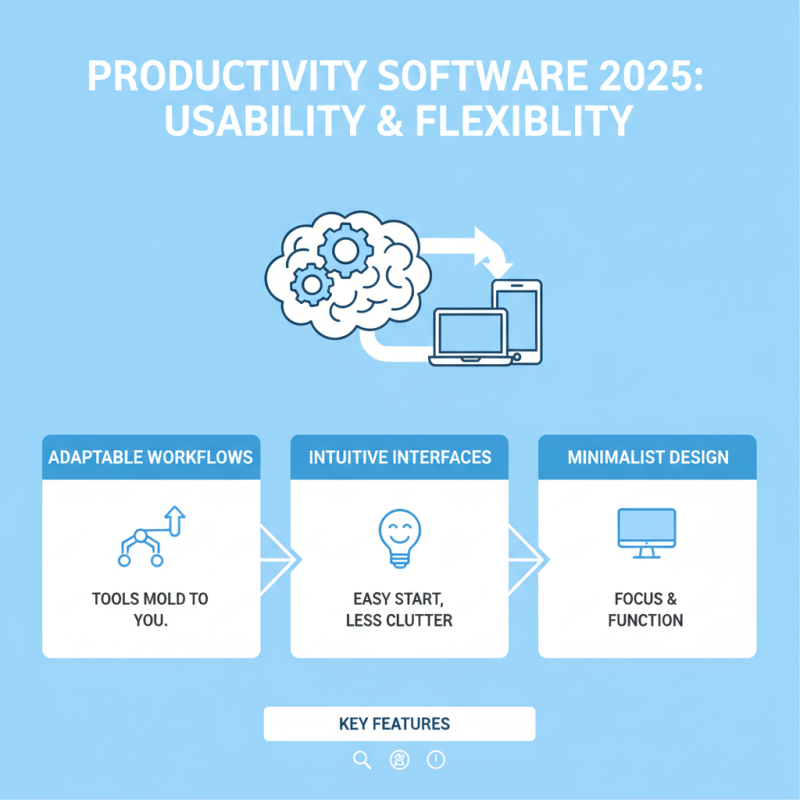
As we move toward 2025, the landscape of productivity is evolving rapidly. New tools are emerging every day, designed to streamline workflows and enhance efficiency. Jason Smith, a leading expert in productivity technology, notes, "New tools create new opportunities, but they require adaptation and thoughtful use." This highlights both the promise and the challenges posed by innovative solutions.
The introduction of these new tools can sometimes lead to confusion. Many users may struggle to integrate them into their daily routines. For instance, while a tool may offer advanced features, its complexity can hinder effective application. In a world filled with options, it's essential to select tools that genuinely resonate with our work styles. Overwhelming choices can lead to decision fatigue and decreased productivity.
Attention must also be paid to the human element. New tools can disrupt established workflows and create resistance among teams. Encouraging open discussions around these transitions can be beneficial. Ultimately, embracing new tools demands more than just acquiring them; it requires a commitment to refining how we use them for maximum impact.

Table of Contents
[Hide]
Emerging Productivity Tools Set to Revolutionize Work in 2025
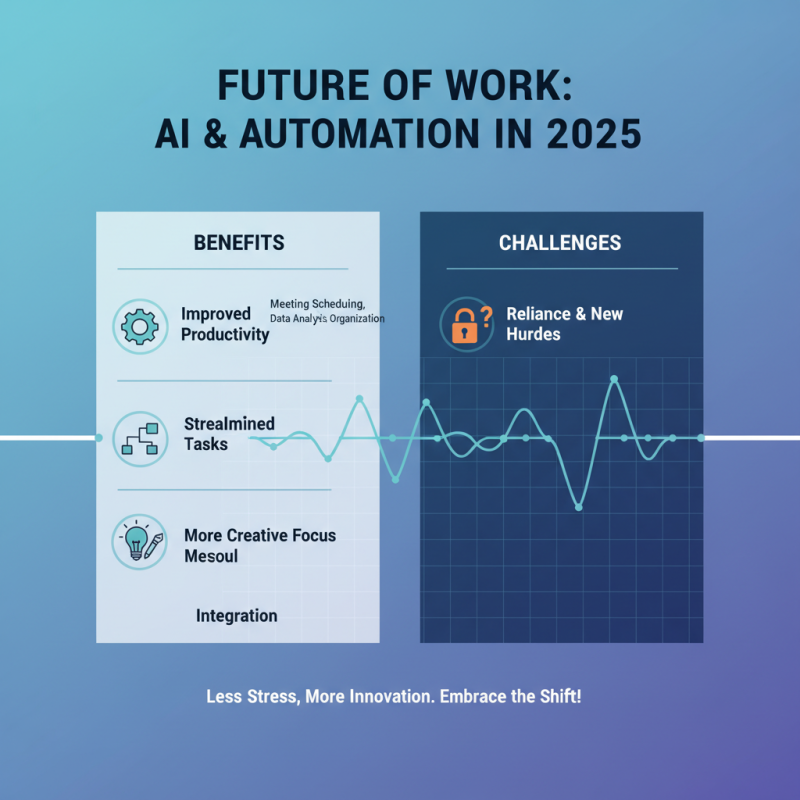
The landscape of workplace productivity is set to change dramatically in 2025. Emerging tools leverage artificial intelligence and automation to enhance workflows and team collaboration. Research shows that 75% of organizations expect to invest in AI-driven productivity solutions by 2025. This trend highlights a commitment to efficiency, but it also raises questions about job displacement and employee adaptation.
Teams will have access to advanced analytics, allowing for real-time insights into performance metrics. For instance, predictive analytics can forecast project timelines with impressive accuracy. Reports suggest that companies employing these tools may see productivity increases of up to 40%. However, reliance on technology may create blind spots. Over-reliance on automation might undermine critical thinking skills over time.
Companies must consider how to balance technological advancement with human input. While emerging tools promise greater efficiency, they can also lead to disconnect among team members. Communication may suffer if employees rely too heavily on automated systems instead of direct interaction. There’s a delicate balance between innovation and maintaining a cohesive workplace culture.
Related Posts
-

Top 10 New Tools Revolutionizing Digital Marketing in 2024: Enhance Your Strategy with Data-Driven Insights
-

Top 10 New Tools Transforming Digital Workflows You Need to Know About
-
Top 10 Essential Power Tools Every DIYer Needs in 2023
-

Top 10 Concrete Hand Tools Every DIYer Should Have and Tips for Using Them
-
How to Choose the Right Concrete Tools for Your DIY Projects: Expert Tips & Trends
-

2025 Top 5 Air Compressors for Air Tools You Should Consider

© Copyright - Pro Tool & Supply - Site by SVM E-Marketing Solutions - Sitemap
- Privacy policy