- Products
- Air Compressors & Air Tools
- Climate Control
- Compaction Equipment
- Concrete Cutting Tools & Equipment
- Concrete and Masonry
- Demolition & Excavation
- Electrical & Mechanical
- Fasteners and Anchoring Adhesives
- Floor Protection
- Generators and Welders
- Hand Tools
- Heaters
- Janitorial and Office Supplies
- Jobsite Protection
- Ladders & Storage
- Lighting & Lighting Accessories
- Man Lifts
- Material Handling Equipment
- Power Tools
- Pressure Washers & Pumps
- Safety Gear
- Safety Products
- Saws
- Surface Preparation
- SEASONAL PRODUCTS
- Rentals
- Air Compressor and Air Tool Rentals
- Climate Control Rental
- Compaction Rentals
- Concrete Equipment Rentals
- Demolition & Excavation Equipment Rentals
- Concrete Floor Grinder Rentals
- General Construction Equipment Rentals
- Generator Rentals and Welder Rentals
- Heater Rentals
- Light Tower Rentals
- Man Lift Rentals in Massachusetts and Rhode Island
- Material Handling Equipment Rentals
- Pressure Washer & Pump Rentals
- Saw Rentals in New England
- SEASONAL PRODUCTS
- Products
- Air Compressors & Air Tools
- Climate Control
- Compaction Equipment
- Concrete Cutting Tools & Equipment
- Demolition & Excavation
- Electrical & Mechanical
- Floor Protection
- Generators and Welders
- Construction Heaters
- Construction Ladders, Staging, & Storage
- Construction Lighting
- Man Lifts
- Material Handling Equipment
- Industrial Janitorial and Office Supplies
- Pressure Washers & Pumps
- Construction Safety Products
- Construction Safety Gear
- Surface Preparation
- Building Protection
- Diesel Accessories
- Zero Emissions
- Rentals
- Air Compressor and Air Tool Rentals
- Climate Control Rental
- Compaction Rentals
- Concrete Equipment Rental
- Demolition & Excavation Equipment Rental
- General Construction Equipment Rental
- Generator Rentals and Welder Rentals
- Construction Heaters Rental
- Light Tower Rentals
- Man Lift Rentals
- Material Handling Equipment Rental
- Pressure Washer & Pump Rentals
- Saw Rentals in New England
- Concrete Floor Grinder Rentals
- Zero Emissions Rentals
- Repairs & Used
- Parts
- Blog
- Services
- Resources
- About Us
- Contact Us
Sales & Rental of Construction | Industrial Equipment & Supplies


What Are the Different Types of Mineral Wool?
Mineral Wools are not a single material with one fixed performance profile. The term usually covers glass wool, rock wool, and slag wool, each made from different mineral feedstocks and manufacturing processes. Those differences affect density, handling, thermal performance, sound absorption, and resistance to heat. A roll of glass wool feels light and springy; a rigid rock wool board is denser and holds its shape. The right choice depends on the building detail, installation conditions, and product specifications.
For clarity, this introduction uses a fictional expert voice rather than presenting an invented quotation as a real industry statement. “Compare the product to the job, not just to its label,” says fictional insulation specialist Alex Morgan. The line captures a practical point: products within the same category can vary, so check declared performance data and installation guidance.
This article introduces the main types of mineral wool and explains where their differences matter. It will examine how each material is produced, what properties distinguish it, and which common applications may suit it. Details matter. A pipe section, an attic roll, and a façade board face different demands. Mineral Wools can help manage heat and sound, but no single type is automatically best for every project. Product documentation, site conditions, and careful fitting deserve attention too. Some comparisons are less tidy than brochures suggest. That is worth remembering.
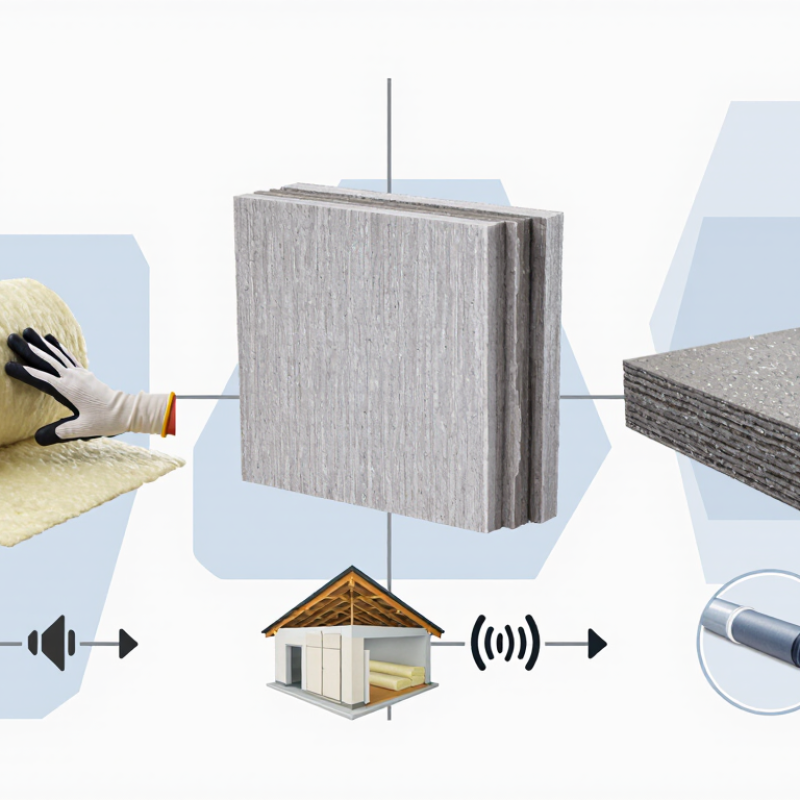
Table of Contents [Hide]
What Mineral Wool Is and How It Is Made
Mineral wool is a family of fibrous insulation materials made from melted minerals or glass. The fibers trap pockets of air, slowing heat transfer and helping reduce sound movement through walls and ceilings. It is not wool from animals. The name describes its soft, wool-like texture.
Making it begins with raw materials. Stone wool typically uses basalt and other rock; glass wool uses sand and often recycled glass. These ingredients are heated until molten, then spun into fine strands, much like fibers pulled from warm sugar. A small amount of binder may help the strands hold together. The loose fibers are formed into batts, boards, or rolls, then heated to set their shape and cut to size. Details vary by product and manufacturer. It is a controlled process, but not a perfectly simple one: fiber thickness, density, and binder content can affect handling and performance. The finished material may look uniform, yet its structure is full of tiny air spaces. That matters. When cutting or installing it, workers commonly use protective clothing and follow the product’s handling guidance, since loose fibers can irritate skin or eyes. There is room for improvement in reducing dust during installation.

© Copyright - Pro Tool & Supply - Site by SVM E-Marketing Solutions - Sitemap
- Privacy policy