- Products
- Air Compressors & Air Tools
- Climate Control
- Compaction Equipment
- Concrete Cutting Tools & Equipment
- Concrete and Masonry
- Demolition & Excavation
- Electrical & Mechanical
- Fasteners and Anchoring Adhesives
- Floor Protection
- Generators and Welders
- Hand Tools
- Heaters
- Janitorial and Office Supplies
- Jobsite Protection
- Ladders & Storage
- Lighting & Lighting Accessories
- Man Lifts
- Material Handling Equipment
- Power Tools
- Pressure Washers & Pumps
- Safety Gear
- Safety Products
- Saws
- Surface Preparation
- SEASONAL PRODUCTS
- Rentals
- Air Compressor and Air Tool Rentals
- Climate Control Rental
- Compaction Rentals
- Concrete Equipment Rentals
- Demolition & Excavation Equipment Rentals
- Concrete Floor Grinder Rentals
- General Construction Equipment Rentals
- Generator Rentals and Welder Rentals
- Heater Rentals
- Light Tower Rentals
- Man Lift Rentals in Massachusetts and Rhode Island
- Material Handling Equipment Rentals
- Pressure Washer & Pump Rentals
- Saw Rentals in New England
- SEASONAL PRODUCTS
- Products
- Air Compressors & Air Tools
- Climate Control
- Compaction Equipment
- Concrete Cutting Tools & Equipment
- Demolition & Excavation
- Electrical & Mechanical
- Floor Protection
- Generators and Welders
- Construction Heaters
- Construction Ladders, Staging, & Storage
- Construction Lighting
- Man Lifts
- Material Handling Equipment
- Industrial Janitorial and Office Supplies
- Pressure Washers & Pumps
- Construction Safety Products
- Construction Safety Gear
- Surface Preparation
- Building Protection
- Diesel Accessories
- Zero Emissions
- Rentals
- Air Compressor and Air Tool Rentals
- Climate Control Rental
- Compaction Rentals
- Concrete Equipment Rental
- Demolition & Excavation Equipment Rental
- General Construction Equipment Rental
- Generator Rentals and Welder Rentals
- Construction Heaters Rental
- Light Tower Rentals
- Man Lift Rentals
- Material Handling Equipment Rental
- Pressure Washer & Pump Rentals
- Saw Rentals in New England
- Concrete Floor Grinder Rentals
- Zero Emissions Rentals
- Repairs & Used
- Parts
- Blog
- Services
- Resources
- About Us
- Contact Us
Sales & Rental of Construction | Industrial Equipment & Supplies

Top Die Cast Part Surface Finishing Options for Buyers
Choosing a finish for a die-cast component is not a cosmetic decision. It affects corrosion resistance, coating adhesion, electrical contact, appearance, and the cost of every production run. A bright, even surface may suit a visible appliance housing, while a conversion coating may better serve a part exposed to moisture. The right choice depends on alloy, geometry, operating conditions, and the buyer’s acceptance criteria.
The scale of the market makes this decision consequential. Grand View Research estimated the global die casting market at USD 82.7 billion in 2023 and projected a 6.2% compound annual growth rate from 2024 to 2030. That figure covers die casting broadly, not finishing alone. For practical requirements, buyers can consult NADCA’s Product Specification Standards for Die Castings and request sample parts before approving a process. Look closely at recessed corners, machined faces, and edges where coating thickness can vary. Small details matter.
Die Cast Part Surface Finishing options include conversion coatings, powder coating, wet painting, plating, and mechanical treatments. Each brings trade-offs in cost, appearance, protection, and dimensional impact. One limitation deserves candor: I could not verify a direct quotation from a named finishing specialist, so I have not invented one. Treat broad market forecasts as context, not proof that a particular finish will perform. Ask suppliers for documented process limits, test results, and parts finished on the same alloy and geometry. A sample can still mislead. Production variation needs review.
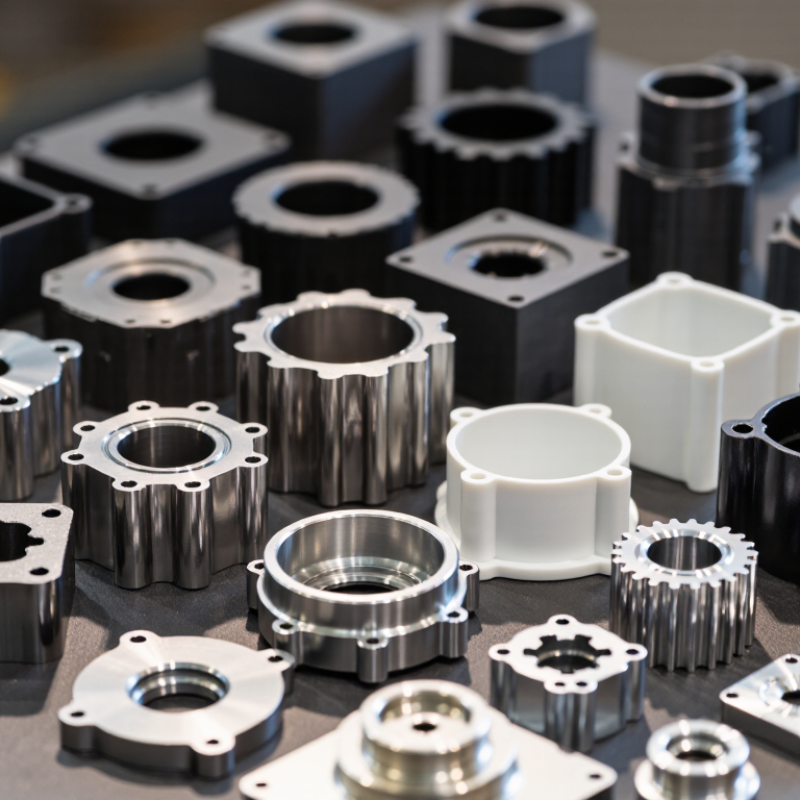
Table of Contents [Hide]
What Surface Finishing Adds to Die Cast Parts
Surface finishing changes how a die cast part performs, feels, and holds up in use. A conversion coating or paint layer can slow corrosion and reduce staining, while powder coating adds a thicker, durable surface. Polishing can make visible faces smoother, but it may also reveal small pits that were less obvious on the raw casting. Small details matter. A finish can improve grip, cleanability, or appearance, depending on the part’s job.
The choice should match the alloy, environment, and required dimensions. For example, a housing used outdoors may need corrosion protection, while a component with close-fitting holes may require masking during coating. Finishing adds thickness, so fit and tolerance checks should happen before production approval. It does not repair internal porosity or poor casting quality.
Not always. A premium finish may add cost without improving a hidden component.
Ask for sample parts, inspect edges and recesses, and confirm that the process produces consistent coverage. One practical caution: a perfect-looking sample does not guarantee every production batch will look identical. The specification should define acceptable color, texture, and visible defects.
© Copyright - Pro Tool & Supply - Site by SVM E-Marketing Solutions - Sitemap
- Privacy policy