- Products
- Air Compressors & Air Tools
- Climate Control
- Compaction Equipment
- Concrete Cutting Tools & Equipment
- Concrete and Masonry
- Demolition & Excavation
- Electrical & Mechanical
- Fasteners and Anchoring Adhesives
- Floor Protection
- Generators and Welders
- Hand Tools
- Heaters
- Janitorial and Office Supplies
- Jobsite Protection
- Ladders & Storage
- Lighting & Lighting Accessories
- Man Lifts
- Material Handling Equipment
- Power Tools
- Pressure Washers & Pumps
- Safety Gear
- Safety Products
- Saws
- Surface Preparation
- SEASONAL PRODUCTS
- Rentals
- Air Compressor and Air Tool Rentals
- Climate Control Rental
- Compaction Rentals
- Concrete Equipment Rentals
- Demolition & Excavation Equipment Rentals
- Concrete Floor Grinder Rentals
- General Construction Equipment Rentals
- Generator Rentals and Welder Rentals
- Heater Rentals
- Light Tower Rentals
- Man Lift Rentals in Massachusetts and Rhode Island
- Material Handling Equipment Rentals
- Pressure Washer & Pump Rentals
- Saw Rentals in New England
- SEASONAL PRODUCTS
- Products
- Air Compressors & Air Tools
- Climate Control
- Compaction Equipment
- Concrete Cutting Tools & Equipment
- Demolition & Excavation
- Electrical & Mechanical
- Floor Protection
- Generators and Welders
- Construction Heaters
- Construction Ladders, Staging, & Storage
- Construction Lighting
- Man Lifts
- Material Handling Equipment
- Industrial Janitorial and Office Supplies
- Pressure Washers & Pumps
- Construction Safety Products
- Construction Safety Gear
- Surface Preparation
- Building Protection
- Diesel Accessories
- Zero Emissions
- Rentals
- Air Compressor and Air Tool Rentals
- Climate Control Rental
- Compaction Rentals
- Concrete Equipment Rental
- Demolition & Excavation Equipment Rental
- General Construction Equipment Rental
- Generator Rentals and Welder Rentals
- Construction Heaters Rental
- Light Tower Rentals
- Man Lift Rentals
- Material Handling Equipment Rental
- Pressure Washer & Pump Rentals
- Saw Rentals in New England
- Concrete Floor Grinder Rentals
- Zero Emissions Rentals
- Repairs & Used
- Parts
- Blog
- Services
- Resources
- About Us
- Contact Us
Sales & Rental of Construction | Industrial Equipment & Supplies

What Is Custom Zinc Alloy Die Casting and How Does It Work?
Custom Zinc Alloy Die Casting is a precise manufacturing method for producing strong, detailed metal components at scale. It uses molten zinc alloy, a reusable steel die, and controlled pressure. The process begins with melting zinc pellets in a heated furnace. A shot sleeve then pushes the liquid metal into narrow die cavities. Within seconds, the alloy fills features such as ribs, bosses, threads, and thin walls.
Dr. Steve Midson, a recognized die casting consultant and former technical director, explains, “Die casting is a manufacturing process that produces metal parts through the use of reusable molds, called dies.” His observation highlights the central advantage of Custom Zinc Alloy Die Casting: repeatable shapes with limited secondary machining. The finished part may receive trimming, drilling, plating, painting, or other surface treatment. Small details matter. A poorly placed gate can create porosity, incomplete filling, or visible flow marks.
This article examines how the process works, from alloy selection and die design to injection, cooling, ejection, and inspection. It also considers practical issues that product teams sometimes overlook, including draft angles, wall thickness, tool maintenance, and production volume. Zinc alloys can provide excellent dimensional stability and attractive surface quality, but they are not automatically suitable for every application. Engineers must assess load, temperature, corrosion exposure, tolerances, and expected service life.
The method is efficient. It is not effortless. Careful testing remains essential because real production conditions can expose weaknesses that computer models miss. With experienced design support and documented quality checks, Custom Zinc Alloy Die Casting can deliver reliable components for automotive, electronics, hardware, and industrial products.
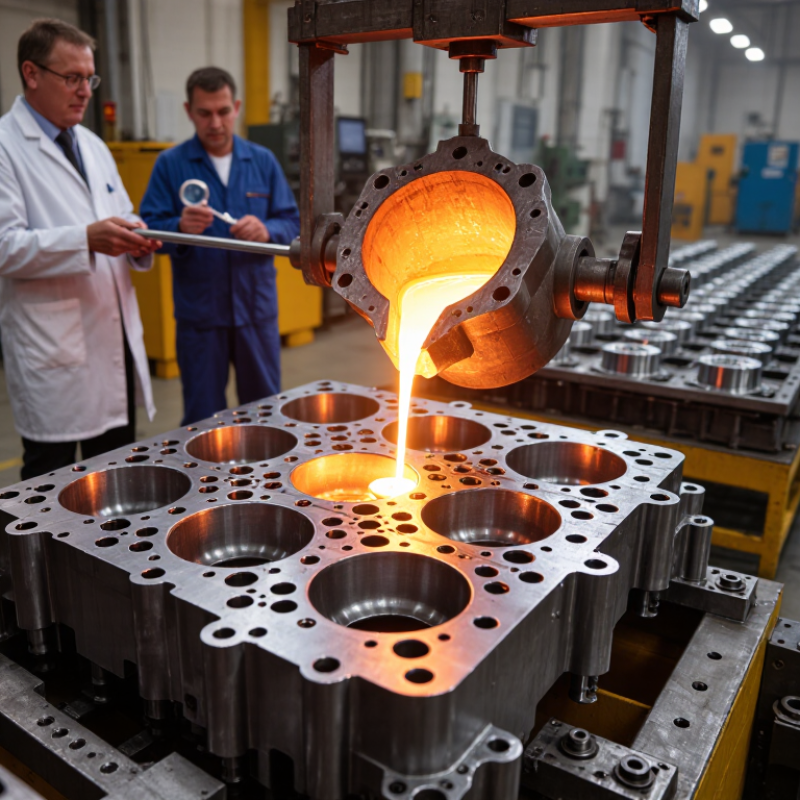
Table of Contents [Hide]
What Custom Zinc Alloy Die Casting Is: Zamak Alloys with 3.9% Aluminum
Custom zinc alloy die casting commonly uses Zamak, a zinc-based family containing aluminum, magnesium, and sometimes copper. In Zamak 3, aluminum typically ranges from 3.5% to 4.3%; 3.9% is near the middle. This level improves fluidity, strength, and die compatibility. ASTM B86 identifies zinc-aluminum alloys for die castings and controls their chemical composition.
The process begins with melting certified ingots in a controlled furnace. A shot sleeve then pushes the liquid alloy into a hardened steel die at high speed and pressure. The metal fills thin ribs, lettering, and small mounting bosses before cooling quickly. Operators remove the runner, trim flash, and inspect dimensions. Custom tooling matters here. Poor venting can leave trapped gas, while excessive pressure may increase flash.
Industry data also gives zinc a broader context. The U.S. Geological Survey estimated global zinc mine production at approximately 12 million metric tons in 2024. That supply supports extensive use in casting, galvanizing, and manufacturing. Yet material availability alone does not guarantee a reliable part. Zamak 3.9% aluminum may offer a practical balance, but wall thickness, die temperature, and surface finish still require testing. Real production is less perfect than a specification sheet suggests.
© Copyright - Pro Tool & Supply - Site by SVM E-Marketing Solutions - Sitemap
- Privacy policy