- Products
- Air Compressors & Air Tools
- Climate Control
- Compaction Equipment
- Concrete Cutting Tools & Equipment
- Concrete and Masonry
- Demolition & Excavation
- Electrical & Mechanical
- Fasteners and Anchoring Adhesives
- Floor Protection
- Generators and Welders
- Hand Tools
- Heaters
- Janitorial and Office Supplies
- Jobsite Protection
- Ladders & Storage
- Lighting & Lighting Accessories
- Man Lifts
- Material Handling Equipment
- Power Tools
- Pressure Washers & Pumps
- Safety Gear
- Safety Products
- Saws
- Surface Preparation
- SEASONAL PRODUCTS
- Rentals
- Air Compressor and Air Tool Rentals
- Climate Control Rental
- Compaction Rentals
- Concrete Equipment Rentals
- Demolition & Excavation Equipment Rentals
- Concrete Floor Grinder Rentals
- General Construction Equipment Rentals
- Generator Rentals and Welder Rentals
- Heater Rentals
- Light Tower Rentals
- Man Lift Rentals in Massachusetts and Rhode Island
- Material Handling Equipment Rentals
- Pressure Washer & Pump Rentals
- Saw Rentals in New England
- SEASONAL PRODUCTS
- Products
- Air Compressors & Air Tools
- Climate Control
- Compaction Equipment
- Concrete Cutting Tools & Equipment
- Demolition & Excavation
- Electrical & Mechanical
- Floor Protection
- Generators and Welders
- Construction Heaters
- Construction Ladders, Staging, & Storage
- Construction Lighting
- Man Lifts
- Material Handling Equipment
- Industrial Janitorial and Office Supplies
- Pressure Washers & Pumps
- Construction Safety Products
- Construction Safety Gear
- Surface Preparation
- Building Protection
- Diesel Accessories
- Zero Emissions
- Rentals
- Air Compressor and Air Tool Rentals
- Climate Control Rental
- Compaction Rentals
- Concrete Equipment Rental
- Demolition & Excavation Equipment Rental
- General Construction Equipment Rental
- Generator Rentals and Welder Rentals
- Construction Heaters Rental
- Light Tower Rentals
- Man Lift Rentals
- Material Handling Equipment Rental
- Pressure Washer & Pump Rentals
- Saw Rentals in New England
- Concrete Floor Grinder Rentals
- Zero Emissions Rentals
- Repairs & Used
- Parts
- Blog
- Services
- Resources
- About Us
- Contact Us
Sales & Rental of Construction | Industrial Equipment & Supplies


What is a CNC Turning Center and How Does It Work?
A CNC Turning Center is an essential tool in modern manufacturing. It combines precision and automation. These machines shape materials with incredible accuracy. They work by rotating the workpiece against a cutting tool. This process allows for the creation of complex parts.
Understanding the CNC Turning Center helps in appreciating its versatility. It can handle various materials like metal, plastic, and wood. Specialized features may include live tooling and multi-axis capabilities. This versatility enhances the production process significantly. However, there are challenges to consider. Programming a CNC machine requires skill and attention. Mistakes in setup can lead to wasted materials and time.
Innovation continues to drive improvements in CNC technology. As industries evolve, the demand for efficient production grows. The CNC Turning Center plays a crucial role in meeting these needs. Embracing this technology can bring benefits, but training and experience are vital for success. Understanding its limitations is equally important.
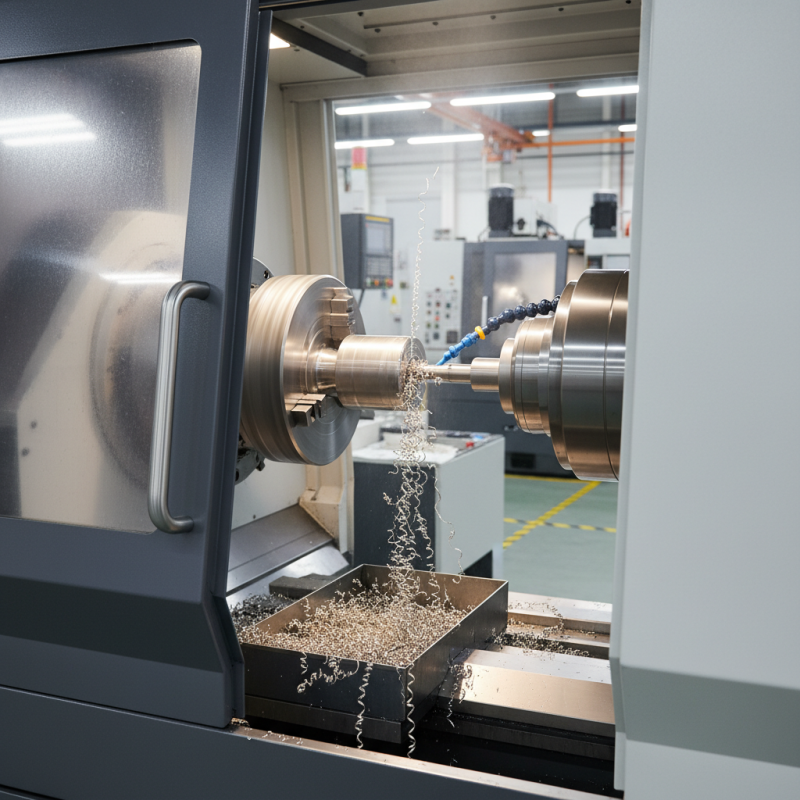
Table of Contents [Hide]
What is a CNC Turning Center?
A CNC turning center is a vital machine in modern manufacturing. It combines the functions of a lathe with computer numerical control (CNC) technology. This innovation allows for precise and efficient machining of cylindrical parts. The center can handle various materials, including metals, plastics, and composites. Industry reports indicate that CNC turning centers have increased production efficiency by up to 30%. This efficiency comes from their ability to automate complex processes.
The operation of a CNC turning center is characterized by its use of digital instructions. These instructions come from CAD (Computer-Aided Design) or CAM (Computer-Aided Manufacturing) software. Operators input designs, and the machine executes them with high precision. According to a study by the Manufacturing Technology Association, over 40% of manufacturing companies use CNC machines to improve quality and reduce waste. However, reliance on technology can lead to challenges. For example, issues might arise from software glitches or operator errors, highlighting the need for continual training and skill development.
Moreover, while CNC turning centers can produce high volumes of parts rapidly, they also require significant maintenance. Regular checks on the spindle, tool wear, and coolant levels are essential. Neglecting these maintenance tasks can result in decreased performance. Reflection on machine wear and downtime is important. Each machine has its limitations, and understanding these is critical to maximizing productivity and quality.

© Copyright - Pro Tool & Supply - Site by SVM E-Marketing Solutions - Sitemap
- Privacy policy