- Products
- Air Compressors & Air Tools
- Climate Control
- Compaction Equipment
- Concrete Cutting Tools & Equipment
- Concrete and Masonry
- Demolition & Excavation
- Electrical & Mechanical
- Fasteners and Anchoring Adhesives
- Floor Protection
- Generators and Welders
- Hand Tools
- Heaters
- Janitorial and Office Supplies
- Jobsite Protection
- Ladders & Storage
- Lighting & Lighting Accessories
- Man Lifts
- Material Handling Equipment
- Power Tools
- Pressure Washers & Pumps
- Safety Gear
- Safety Products
- Saws
- Surface Preparation
- SEASONAL PRODUCTS
- Rentals
- Air Compressor and Air Tool Rentals
- Climate Control Rental
- Compaction Rentals
- Concrete Equipment Rentals
- Demolition & Excavation Equipment Rentals
- Concrete Floor Grinder Rentals
- General Construction Equipment Rentals
- Generator Rentals and Welder Rentals
- Heater Rentals
- Light Tower Rentals
- Man Lift Rentals in Massachusetts and Rhode Island
- Material Handling Equipment Rentals
- Pressure Washer & Pump Rentals
- Saw Rentals in New England
- SEASONAL PRODUCTS
- Products
- Air Compressors & Air Tools
- Climate Control
- Compaction Equipment
- Concrete Cutting Tools & Equipment
- Demolition & Excavation
- Electrical & Mechanical
- Floor Protection
- Generators and Welders
- Construction Heaters
- Construction Ladders, Staging, & Storage
- Construction Lighting
- Man Lifts
- Material Handling Equipment
- Industrial Janitorial and Office Supplies
- Pressure Washers & Pumps
- Construction Safety Products
- Construction Safety Gear
- Surface Preparation
- Building Protection
- Diesel Accessories
- Zero Emissions
- Rentals
- Air Compressor and Air Tool Rentals
- Climate Control Rental
- Compaction Rentals
- Concrete Equipment Rental
- Demolition & Excavation Equipment Rental
- General Construction Equipment Rental
- Generator Rentals and Welder Rentals
- Construction Heaters Rental
- Light Tower Rentals
- Man Lift Rentals
- Material Handling Equipment Rental
- Pressure Washer & Pump Rentals
- Saw Rentals in New England
- Concrete Floor Grinder Rentals
- Zero Emissions Rentals
- Repairs & Used
- Parts
- Blog
- Services
- Resources
- About Us
- Contact Us
Sales & Rental of Construction | Industrial Equipment & Supplies


What is a Cnc Scanner and How It Benefits Global Buyers?
In the rapidly evolving manufacturing landscape, the role of a Cnc Scanner cannot be overstated. According to a recent industry report by Market Research Future, the CNC scanning market is projected to grow at a CAGR of 8.5% over the next five years. This growth highlights a significant trend where precision and efficiency are paramount. Experts like Dr. Emily Chen, a leading authority in industrial automation, emphasize, “The Cnc Scanner enables manufacturers to achieve accuracy that was previously unattainable.”
Global buyers are increasingly drawn to Cnc Scanners due to their precision in digitizing physical objects. This technology transforms traditional processes, allowing for faster prototyping and reduced material waste. A study from Statista indicates that modern CNC technologies have improved production efficiency by up to 30%. However, it is essential to reflect on the challenges inherent in adopting this technology, such as the initial investment cost and the need for adequate staff training.
Despite their benefits, integrating Cnc Scanners requires careful consideration. Not all manufacturers may fully utilize their potential. There's a risk of overlooking the necessary software compatibility issues or user training. As manufacturers move toward more automated systems, the conversation about Cnc Scanners will only grow. It raises questions about sustainability and employment, which need thoughtful answers.
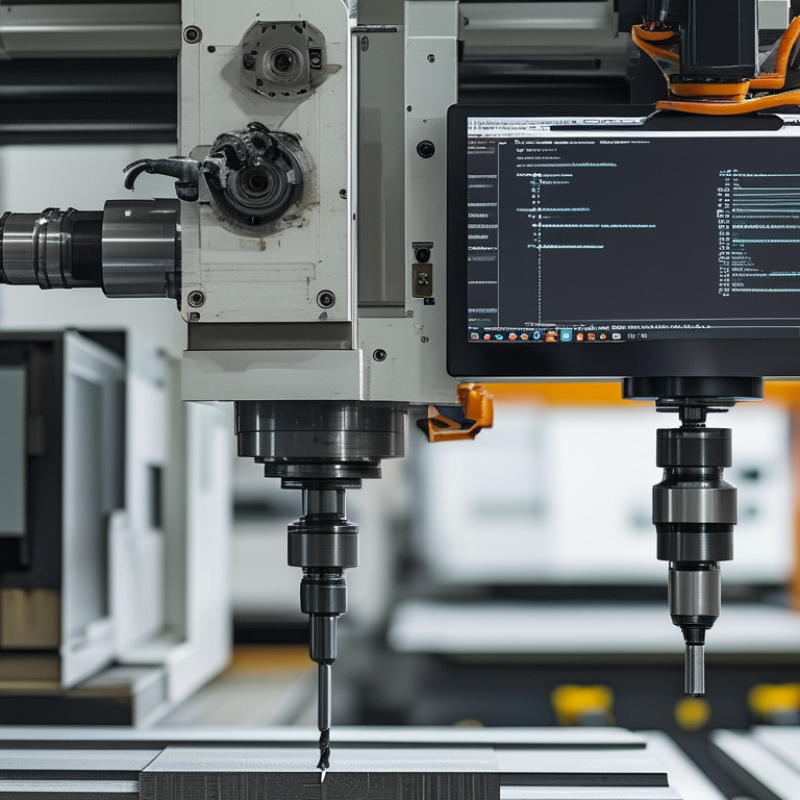
Table of Contents [Hide]
What is a CNC Scanner? An Overview of the Technology
CNC scanners are revolutionary tools in the realm of manufacturing and design. They enable the digitization of physical objects into precise 3D models, which can be crucial for various applications. This technology operates by using laser or light to capture detailed measurements of an object’s surface. The result is a digital representation that can be manipulated or replicated with high accuracy. This capability is particularly valuable for industries like automotive, aerospace, and heritage preservation.
The benefits of CNC scanning for global buyers are substantial. It enhances efficiency, allowing for rapid prototyping and product development. Buyers can receive customized parts without the need for extensive tooling. This technology reduces waste, promoting sustainable practices. However, there is a learning curve involved. Many users may initially struggle with software integration and data management. Ensuring high-quality scans requires expertise and practice. Not everyone will master it right away. Observing the process may reveal areas for improvement and learning.
CNC scanners help in meeting the growing demand for precision and customization. Moreover, this technology supports better quality control throughout production. The ability to quickly adapt designs based on scanning results can lead to innovative solutions. As the industry evolves, continuous refinement and education will be essential. Users must engage with their tools to harness the full potential of CNC scanning technology.

© Copyright - Pro Tool & Supply - Site by SVM E-Marketing Solutions - Sitemap
- Privacy policy