- Products
- Air Compressors & Air Tools
- Climate Control
- Compaction Equipment
- Concrete Cutting Tools & Equipment
- Concrete and Masonry
- Demolition & Excavation
- Electrical & Mechanical
- Fasteners and Anchoring Adhesives
- Floor Protection
- Generators and Welders
- Hand Tools
- Heaters
- Janitorial and Office Supplies
- Jobsite Protection
- Ladders & Storage
- Lighting & Lighting Accessories
- Man Lifts
- Material Handling Equipment
- Power Tools
- Pressure Washers & Pumps
- Safety Gear
- Safety Products
- Saws
- Surface Preparation
- SEASONAL PRODUCTS
- Rentals
- Air Compressor and Air Tool Rentals
- Climate Control Rental
- Compaction Rentals
- Concrete Equipment Rentals
- Demolition & Excavation Equipment Rentals
- Concrete Floor Grinder Rentals
- General Construction Equipment Rentals
- Generator Rentals and Welder Rentals
- Heater Rentals
- Light Tower Rentals
- Man Lift Rentals in Massachusetts and Rhode Island
- Material Handling Equipment Rentals
- Pressure Washer & Pump Rentals
- Saw Rentals in New England
- SEASONAL PRODUCTS
- Products
- Air Compressors & Air Tools
- Climate Control
- Compaction Equipment
- Concrete Cutting Tools & Equipment
- Demolition & Excavation
- Electrical & Mechanical
- Floor Protection
- Generators and Welders
- Construction Heaters
- Construction Ladders, Staging, & Storage
- Construction Lighting
- Man Lifts
- Material Handling Equipment
- Industrial Janitorial and Office Supplies
- Pressure Washers & Pumps
- Construction Safety Products
- Construction Safety Gear
- Surface Preparation
- Building Protection
- Diesel Accessories
- Zero Emissions
- Rentals
- Air Compressor and Air Tool Rentals
- Climate Control Rental
- Compaction Rentals
- Concrete Equipment Rental
- Demolition & Excavation Equipment Rental
- General Construction Equipment Rental
- Generator Rentals and Welder Rentals
- Construction Heaters Rental
- Light Tower Rentals
- Man Lift Rentals
- Material Handling Equipment Rental
- Pressure Washer & Pump Rentals
- Saw Rentals in New England
- Concrete Floor Grinder Rentals
- Zero Emissions Rentals
- Repairs & Used
- Parts
- Blog
- Services
- Resources
- About Us
- Contact Us
Sales & Rental of Construction | Industrial Equipment & Supplies


How to Choose Open Frame Generator Sets?
Choosing Open Frame Generator Sets is a practical decision about continuity, fuel use, service access, and operating risk. A generator may look suitable on a specification sheet, yet struggle with motor starting, dusty air, or long standby periods. The stakes are real. Technicians regularly inspect sets beside warehouses, workshops, farms, and construction sites where heat, vibration, and poor ventilation affect performance. This guide explains how to compare ratings, engine quality, alternator design, controls, noise, and maintenance requirements.
Industry demand is also changing. The International Energy Agency’s Electricity 2024 report projects global electricity demand will grow by an average of 3.2% annually from 2024 to 2026. It also expects data-centre, artificial-intelligence, and cryptocurrency electricity use to exceed 1,000 TWh by 2026. These trends increase pressure on backup systems, especially where short interruptions can stop production or damage sensitive equipment. The U.S. Energy Information Administration continues to identify diesel as an important fuel for reliable, dispatchable power generation, although fuel quality and storage conditions remain critical.
A sound selection process begins with the actual load, not the generator’s maximum headline output. Check prime or standby ratings under ISO 8528, starting currents, voltage stability, altitude, ambient temperature, and expected running hours. Leave practical headroom. Too much spare capacity can reduce efficiency and cause wet stacking in diesel engines. Too little capacity creates overload risk. There is no perfect package. The right Open Frame Generator Sets balance accessible maintenance, verified performance, site conditions, and total lifecycle cost. Always confirm manufacturer data with an independent technician and local electrical requirements before purchase.
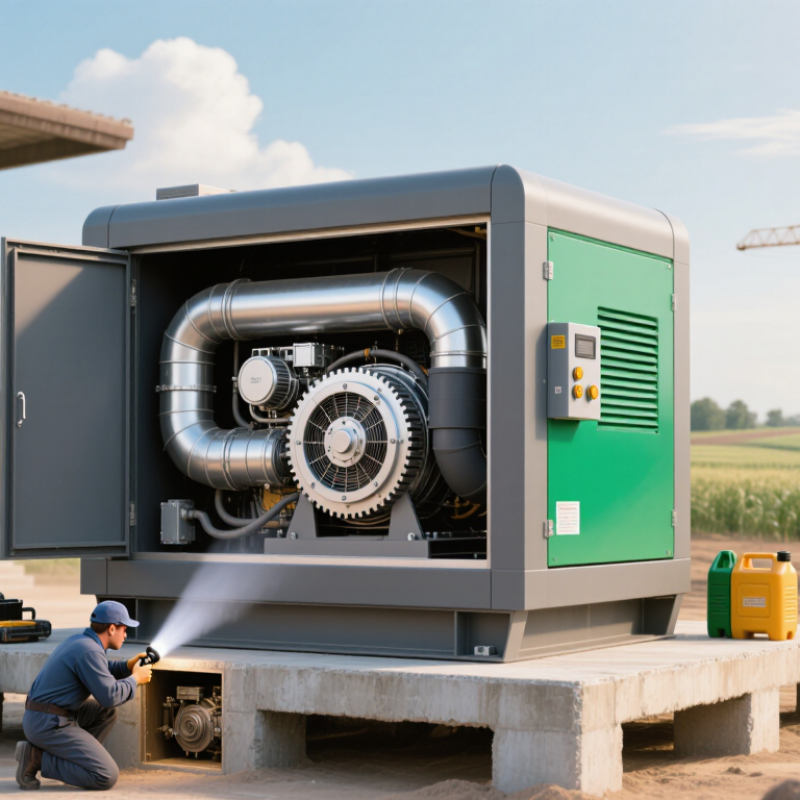
Table of Contents [Hide]
What an Open Frame Generator Set Is and How It Works
How to Choose Open Frame Generator Sets?
An open frame generator set is a power system built on a visible steel base. It usually includes a diesel or gasoline engine, alternator, fuel tank, radiator, and control panel. Unlike enclosed models, it has no weatherproof acoustic cabinet around these components. This design improves airflow and makes inspections easier. However, it also exposes the machine to rain, dust, and accidental contact.
During operation, fuel combustion moves the engine pistons and turns the crankshaft. The crankshaft drives the alternator, which produces electricity through electromagnetic induction. A voltage regulator helps maintain stable output as the electrical load changes. Engine speed controls frequency, so incorrect speed can damage sensitive equipment.
In practical installations, I check voltage, phase, frequency, and load type before choosing a set. A rough estimate is not enough. Starting motors may demand several times their running current.
Tips:
Match the generator to continuous and starting loads, not only the average demand.
Leave clear space around the radiator and exhaust. Use a suitable canopy or sheltered location when weather protection is needed.
Inspect oil, coolant, belts, terminals, and fuel quality on a fixed schedule.
Open frames are often easier to service, but they can be louder than expected. Noise and ventilation are easy to underestimate.
A properly sized transfer switch and trained electrician also reduce connection risks.

© Copyright - Pro Tool & Supply - Site by SVM E-Marketing Solutions - Sitemap
- Privacy policy