- Products
- Air Compressors & Air Tools
- Climate Control
- Compaction Equipment
- Concrete Cutting Tools & Equipment
- Concrete and Masonry
- Demolition & Excavation
- Electrical & Mechanical
- Fasteners and Anchoring Adhesives
- Floor Protection
- Generators and Welders
- Hand Tools
- Heaters
- Janitorial and Office Supplies
- Jobsite Protection
- Ladders & Storage
- Lighting & Lighting Accessories
- Man Lifts
- Material Handling Equipment
- Power Tools
- Pressure Washers & Pumps
- Safety Gear
- Safety Products
- Saws
- Surface Preparation
- SEASONAL PRODUCTS
- Rentals
- Air Compressor and Air Tool Rentals
- Climate Control Rental
- Compaction Rentals
- Concrete Equipment Rentals
- Demolition & Excavation Equipment Rentals
- Concrete Floor Grinder Rentals
- General Construction Equipment Rentals
- Generator Rentals and Welder Rentals
- Heater Rentals
- Light Tower Rentals
- Man Lift Rentals in Massachusetts and Rhode Island
- Material Handling Equipment Rentals
- Pressure Washer & Pump Rentals
- Saw Rentals in New England
- SEASONAL PRODUCTS
- Products
- Air Compressors & Air Tools
- Climate Control
- Compaction Equipment
- Concrete Cutting Tools & Equipment
- Demolition & Excavation
- Electrical & Mechanical
- Floor Protection
- Generators and Welders
- Construction Heaters
- Construction Ladders, Staging, & Storage
- Construction Lighting
- Man Lifts
- Material Handling Equipment
- Industrial Janitorial and Office Supplies
- Pressure Washers & Pumps
- Construction Safety Products
- Construction Safety Gear
- Surface Preparation
- Building Protection
- Diesel Accessories
- Zero Emissions
- Rentals
- Air Compressor and Air Tool Rentals
- Climate Control Rental
- Compaction Rentals
- Concrete Equipment Rental
- Demolition & Excavation Equipment Rental
- General Construction Equipment Rental
- Generator Rentals and Welder Rentals
- Construction Heaters Rental
- Light Tower Rentals
- Man Lift Rentals
- Material Handling Equipment Rental
- Pressure Washer & Pump Rentals
- Saw Rentals in New England
- Concrete Floor Grinder Rentals
- Zero Emissions Rentals
- Repairs & Used
- Parts
- Blog
- Services
- Resources
- About Us
- Contact Us
Sales & Rental of Construction | Industrial Equipment & Supplies


How to Choose the Right Manometer Connector?
A manometer can be accurate on the bench and still give unreliable readings after installation. The connector is a small part, but it controls the pressure path, sealing interface, and mechanical fit. Choose it poorly, and a tiny leak or mismatched thread can distort readings. Small details matter.
NIST Special Publication 250-39 describes pressure-calibration services and traceability, while ASME B40.100 addresses pressure-gauge design and performance. ISO 2186:2007 covers connections for transmitting pressure signals between primary and secondary elements. These references help frame the checks, but they do not replace the instrument manufacturer’s drawings. For a Manometer Connector, compare process pressure, fluid compatibility, thread form, port size, and sealing method. Check whether the installation uses NPT, BSPP, BSPT, or a dedicated fitting. They may look similar. They are not interchangeable by assumption.
Real installations add details that a catalog table can hide: vibration near a pump, a hot line, limited wrench clearance, or the need for quick removal during calibration. A connector should suit those conditions, not just the nominal pressure range. The practical choice is sometimes less neat than the specification suggests. That is worth admitting. Before ordering, confirm the manometer’s connection drawing and required adapter, then check the assembled system for leakage and stable readings. This guide explains how to make those checks without treating one thread standard or material as a universal answer.
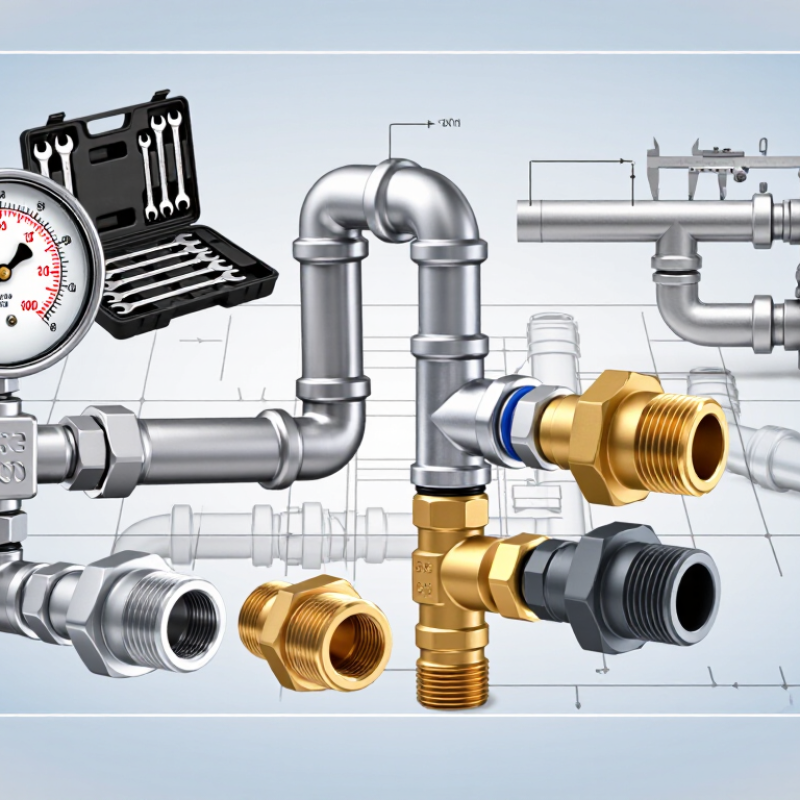
Table of Contents [Hide]
Identify the Manometer Connection Type and Port Standard
Before choosing a manometer connector, identify the instrument’s port type and thread standard. A pressure port may use a tapered thread, such as NPT or BSPT, or a parallel thread, such as BSPP. Metric threads are another possibility. They can look surprisingly similar at a glance. Check the instrument documentation, then verify the thread diameter and pitch with suitable gauges. Do not rely on appearance alone.
Look closely at how the port seals. Tapered threads usually seal along the threads, while parallel threads often need a washer, bonded seal, or O-ring at the port face. A mismatched fitting may start by hand, then bind after a turn or two. Stop there. Forcing it can damage the threads and create a leak. I’ve found that recording the port standard beside the instrument’s model details helps prevent repeat guesswork, though it is easy to forget in a busy workshop.
Also confirm the connector’s gender, orientation, and pressure rating. A swivel connector can help when the tubing needs to leave the gauge at a particular angle, but it must still match the port and sealing method. If the standard remains uncertain, compare measurements with the manufacturer’s drawing or ask a qualified supplier to verify them. An adapter may solve the fit, but it adds another joint to inspect.

© Copyright - Pro Tool & Supply - Site by SVM E-Marketing Solutions - Sitemap
- Privacy policy