- Products
- Air Compressors & Air Tools
- Climate Control
- Compaction Equipment
- Concrete Cutting Tools & Equipment
- Concrete and Masonry
- Demolition & Excavation
- Electrical & Mechanical
- Fasteners and Anchoring Adhesives
- Floor Protection
- Generators and Welders
- Hand Tools
- Heaters
- Janitorial and Office Supplies
- Jobsite Protection
- Ladders & Storage
- Lighting & Lighting Accessories
- Man Lifts
- Material Handling Equipment
- Power Tools
- Pressure Washers & Pumps
- Safety Gear
- Safety Products
- Saws
- Surface Preparation
- SEASONAL PRODUCTS
- Rentals
- Air Compressor and Air Tool Rentals
- Climate Control Rental
- Compaction Rentals
- Concrete Equipment Rentals
- Demolition & Excavation Equipment Rentals
- Concrete Floor Grinder Rentals
- General Construction Equipment Rentals
- Generator Rentals and Welder Rentals
- Heater Rentals
- Light Tower Rentals
- Man Lift Rentals in Massachusetts and Rhode Island
- Material Handling Equipment Rentals
- Pressure Washer & Pump Rentals
- Saw Rentals in New England
- SEASONAL PRODUCTS
- Products
- Air Compressors & Air Tools
- Climate Control
- Compaction Equipment
- Concrete Cutting Tools & Equipment
- Demolition & Excavation
- Electrical & Mechanical
- Floor Protection
- Generators and Welders
- Construction Heaters
- Construction Ladders, Staging, & Storage
- Construction Lighting
- Man Lifts
- Material Handling Equipment
- Industrial Janitorial and Office Supplies
- Pressure Washers & Pumps
- Construction Safety Products
- Construction Safety Gear
- Surface Preparation
- Building Protection
- Diesel Accessories
- Zero Emissions
- Rentals
- Air Compressor and Air Tool Rentals
- Climate Control Rental
- Compaction Rentals
- Concrete Equipment Rental
- Demolition & Excavation Equipment Rental
- General Construction Equipment Rental
- Generator Rentals and Welder Rentals
- Construction Heaters Rental
- Light Tower Rentals
- Man Lift Rentals
- Material Handling Equipment Rental
- Pressure Washer & Pump Rentals
- Saw Rentals in New England
- Concrete Floor Grinder Rentals
- Zero Emissions Rentals
- Repairs & Used
- Parts
- Blog
- Services
- Resources
- About Us
- Contact Us
Sales & Rental of Construction | Industrial Equipment & Supplies


How to Choose the Right Knotting Unit Body?
Choosing the right Knotting unit body is a practical decision, not a catalog exercise. It affects yarn handling, knot stability, maintenance time, and machine uptime. A small mismatch can create bulky knots, uneven tension, or repeated thread breaks. These problems often appear beside the operator, under real production pressure.
The scale of the textile industry makes this choice increasingly important. Textile Exchange’s 2024 Materials Market Report estimates that global fiber production reached 124 million tonnes in 2023. The report also expects continued growth toward 2030. More output means greater pressure on reliable joining and handling equipment. ITMF’s International Textile Machinery Shipment Statistics also shows sustained investment in modern textile machinery. This trend reflects a clear need for durable, compatible components. Material strength, surface finish, geometry, and machine compatibility deserve close inspection.
In this guide, we examine how to compare a Knotting Unit Body for different yarn types and operating conditions. Practical experience matters here. A body that performs well with smooth synthetic yarn may behave differently with coarse, elastic, or recycled fibers. Check the contact surfaces. Examine the guide openings. Ask how quickly worn parts can be replaced. ISO 9001-based quality systems can support traceability, but certification alone does not guarantee field performance. That distinction is easy to overlook.
No selection is perfect. Even a careful specification can miss vibration, humidity, or operator habits. Those details deserve review before purchase. The best decision combines supplier evidence, machine data, test samples, and maintenance feedback.
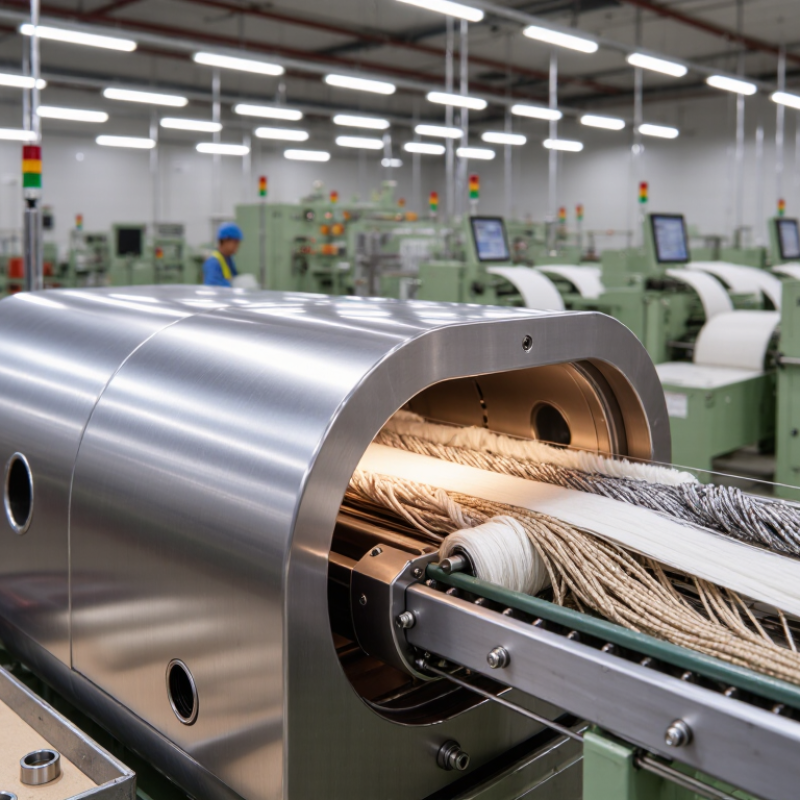
Table of Contents [Hide]
Define the Role and Structure of a Knotting Unit Body
How to Choose the Right Knotting Unit Body?
Choosing the right knotting unit body starts with defining its role. It is not merely an outer cover. The body supports the knotter head, guides, clamps, drive connection, and safety shield. Its structure must keep these parts aligned during repeated cycles. Even small deformation can change thread tension and create uneven knots. A rigid frame matters.
Textile Exchange’s Materials Market Report 2024 estimates global fiber production reached 124 million tonnes in 2023. That scale increases pressure on textile equipment to reduce waste and downtime. The International Textile Manufacturers Federation’s 2024 shipment statistics also show weaker demand for several textile machine categories. Buyers may therefore seek longer service life before replacing complete equipment. Check the body’s material, wall thickness, fastening points, and access panels. Steel offers strength, while engineered alloys can reduce weight and vibration. Neither option is automatically superior. Maintenance conditions decide much more than catalog claims.
Leave room for inspection. A sealed body may look clean, but trapped lint and heat can shorten component life. Confirm that operators can reach tension parts without removing the entire housing. I would also test vibration under real production speed, not only during idle trials. That detail is often missed. Finally, compare dimensional tolerances, corrosion resistance, and replacement access with your yarn type and operating environment. A perfect design on paper can still fail beside a dusty machine.

© Copyright - Pro Tool & Supply - Site by SVM E-Marketing Solutions - Sitemap
- Privacy policy