- Products
- Air Compressors & Air Tools
- Climate Control
- Compaction Equipment
- Concrete Cutting Tools & Equipment
- Concrete and Masonry
- Demolition & Excavation
- Electrical & Mechanical
- Fasteners and Anchoring Adhesives
- Floor Protection
- Generators and Welders
- Hand Tools
- Heaters
- Janitorial and Office Supplies
- Jobsite Protection
- Ladders & Storage
- Lighting & Lighting Accessories
- Man Lifts
- Material Handling Equipment
- Power Tools
- Pressure Washers & Pumps
- Safety Gear
- Safety Products
- Saws
- Surface Preparation
- SEASONAL PRODUCTS
- Rentals
- Air Compressor and Air Tool Rentals
- Climate Control Rental
- Compaction Rentals
- Concrete Equipment Rentals
- Demolition & Excavation Equipment Rentals
- Concrete Floor Grinder Rentals
- General Construction Equipment Rentals
- Generator Rentals and Welder Rentals
- Heater Rentals
- Light Tower Rentals
- Man Lift Rentals in Massachusetts and Rhode Island
- Material Handling Equipment Rentals
- Pressure Washer & Pump Rentals
- Saw Rentals in New England
- SEASONAL PRODUCTS
- Products
- Air Compressors & Air Tools
- Climate Control
- Compaction Equipment
- Concrete Cutting Tools & Equipment
- Demolition & Excavation
- Electrical & Mechanical
- Floor Protection
- Generators and Welders
- Construction Heaters
- Construction Ladders, Staging, & Storage
- Construction Lighting
- Man Lifts
- Material Handling Equipment
- Industrial Janitorial and Office Supplies
- Pressure Washers & Pumps
- Construction Safety Products
- Construction Safety Gear
- Surface Preparation
- Building Protection
- Diesel Accessories
- Zero Emissions
- Rentals
- Air Compressor and Air Tool Rentals
- Climate Control Rental
- Compaction Rentals
- Concrete Equipment Rental
- Demolition & Excavation Equipment Rental
- General Construction Equipment Rental
- Generator Rentals and Welder Rentals
- Construction Heaters Rental
- Light Tower Rentals
- Man Lift Rentals
- Material Handling Equipment Rental
- Pressure Washer & Pump Rentals
- Saw Rentals in New England
- Concrete Floor Grinder Rentals
- Zero Emissions Rentals
- Repairs & Used
- Parts
- Blog
- Services
- Resources
- About Us
- Contact Us
Sales & Rental of Construction | Industrial Equipment & Supplies


How to Choose the Right Isolation Mounts for Your Needs?
Choosing the right isolation mounts is crucial for optimal equipment performance. These mounts play a significant role in vibration control and noise reduction. Selecting the appropriate type can greatly enhance the longevity of your machinery.
Isolation mounts come in various shapes and materials. Each type serves a specific purpose, depending on your environment and application. It’s essential to assess the weight and vibrational frequency of the equipment to make an informed choice. Do not overlook these details, as they directly affect efficiency and safety.
Many users struggle with the selection process. They often pick mounts based on price rather than functionality. This can lead to inadequate performance or increased wear on equipment. Understanding the unique characteristics of different isolation mounts is vital. Take the time to research and consult experts if needed.
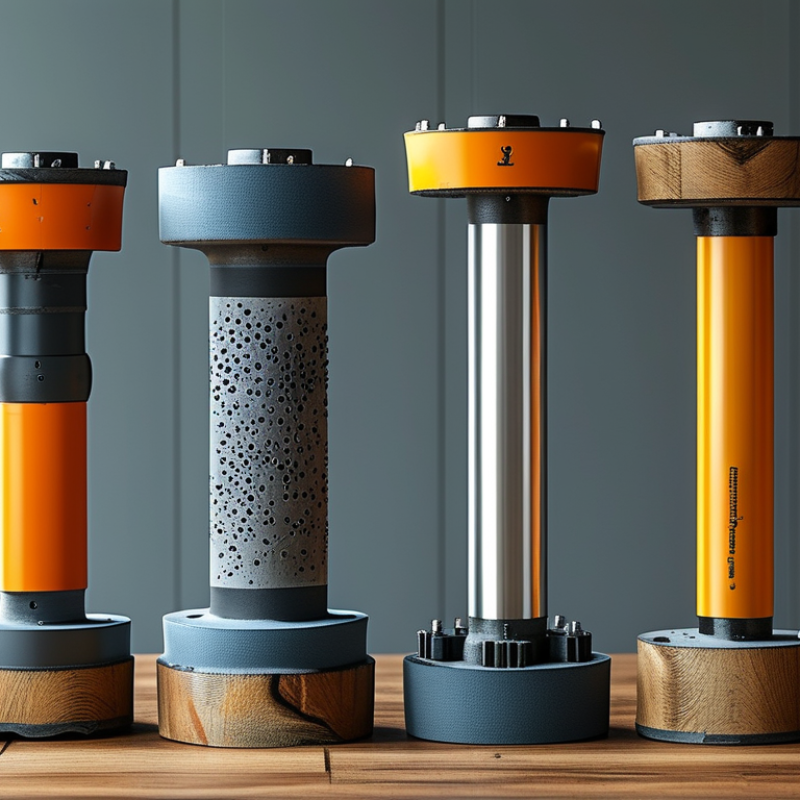
Table of Contents [Hide]
Understanding Isolation Mounts and Their Importance
Isolation mounts are crucial in various industries, particularly in vibration management. They prevent the transfer of vibrations from machines to their surroundings. According to a report by the International Journal of Engineering Research, improper vibration control can lead to equipment damage and reduced lifespan.
Selecting the right isolation mount requires an understanding of specific needs. Factors like frequency range, load capacity, and environmental conditions play a vital role. Research indicates that 70% of machinery failures stem from inadequate isolation. This not only affects performance but incurs repair costs. It's essential to assess the vibration characteristics of your equipment carefully.
Additionally, a significant challenge lies in identifying the appropriate materials for isolation mounts. Many materials exist, each with unique properties. Rubber, for example, is versatile, but its performance can vary based on temperature and frequency. Foams can be effective but may degrade over time. Considerations like these highlight the need for thorough research and expert consultation. Selecting the wrong mount can lead to inefficient performance and increased operational risks.
How to Choose the Right Isolation Mounts for Your Needs?
| Type of Isolation Mount | Used For | Load Capacity (lbs) | Material | Vibration Reduction (dB) |
|---|---|---|---|---|
| Rubber Isolation Mount | Machinery, HVAC | 500 | Rubber | 20 |
| Spring Isolation Mount | Large Equipment | 1000 | Steel | 25 |
| Polyurethane Mount | Automobiles, Electronics | 300 | Polyurethane | 30 |
| Metal Bushing Mount | Industrial Machinery | 800 | Metal | 15 |
| Neoprene Mount | General Applications | 400 | Neoprene | 18 |

© Copyright - Pro Tool & Supply - Site by SVM E-Marketing Solutions - Sitemap
- Privacy policy