- Products
- Air Compressors & Air Tools
- Climate Control
- Compaction Equipment
- Concrete Cutting Tools & Equipment
- Concrete and Masonry
- Demolition & Excavation
- Electrical & Mechanical
- Fasteners and Anchoring Adhesives
- Floor Protection
- Generators and Welders
- Hand Tools
- Heaters
- Janitorial and Office Supplies
- Jobsite Protection
- Ladders & Storage
- Lighting & Lighting Accessories
- Man Lifts
- Material Handling Equipment
- Power Tools
- Pressure Washers & Pumps
- Safety Gear
- Safety Products
- Saws
- Surface Preparation
- SEASONAL PRODUCTS
- Rentals
- Air Compressor and Air Tool Rentals
- Climate Control Rental
- Compaction Rentals
- Concrete Equipment Rentals
- Demolition & Excavation Equipment Rentals
- Concrete Floor Grinder Rentals
- General Construction Equipment Rentals
- Generator Rentals and Welder Rentals
- Heater Rentals
- Light Tower Rentals
- Man Lift Rentals in Massachusetts and Rhode Island
- Material Handling Equipment Rentals
- Pressure Washer & Pump Rentals
- Saw Rentals in New England
- SEASONAL PRODUCTS
- Products
- Air Compressors & Air Tools
- Climate Control
- Compaction Equipment
- Concrete Cutting Tools & Equipment
- Demolition & Excavation
- Electrical & Mechanical
- Floor Protection
- Generators and Welders
- Construction Heaters
- Construction Ladders, Staging, & Storage
- Construction Lighting
- Man Lifts
- Material Handling Equipment
- Industrial Janitorial and Office Supplies
- Pressure Washers & Pumps
- Construction Safety Products
- Construction Safety Gear
- Surface Preparation
- Building Protection
- Diesel Accessories
- Zero Emissions
- Rentals
- Air Compressor and Air Tool Rentals
- Climate Control Rental
- Compaction Rentals
- Concrete Equipment Rental
- Demolition & Excavation Equipment Rental
- General Construction Equipment Rental
- Generator Rentals and Welder Rentals
- Construction Heaters Rental
- Light Tower Rentals
- Man Lift Rentals
- Material Handling Equipment Rental
- Pressure Washer & Pump Rentals
- Saw Rentals in New England
- Concrete Floor Grinder Rentals
- Zero Emissions Rentals
- Repairs & Used
- Parts
- Blog
- Services
- Resources
- About Us
- Contact Us
Sales & Rental of Construction | Industrial Equipment & Supplies


How to Choose the Right Air Seat Control Valve
Choosing the right Air Seat Control Valve begins with understanding the seat’s pneumatic system, not simply comparing product prices. A valve may look suitable on a catalog page, yet perform poorly when pressure, port size, or mounting space differs. Check the seat manufacturer’s specifications, working pressure, air connection, and control method before ordering. Small details matter.
Think about daily use. A driver may adjust the seat dozens of times during a long shift. The valve should provide smooth height control, reliable air release, and a comfortable response. Inspect the available space beneath the seat, where hoses can bend sharply or rub against metal brackets. A compact body can help, but only if the fittings remain accessible. Test the valve with the intended air spring and compressor system, rather than relying on appearance alone.
Experience also shows that “universal” does not always mean suitable. That assumption can be costly. Confirm thread standards, lever position, sealing performance, and resistance to vibration. Ask for technical drawings and test data from an established supplier. A reputable manufacturer should explain operating limits clearly and support replacement parts when needed. Still, specifications are not the whole story. Dust, moisture, temperature changes, and rushed installation can affect service life. Review the actual working environment and document each check. A careful selection process reduces adjustment problems, protects operator comfort, and supports dependable seat performance over time. Some choices remain imperfect. Good judgment means recognizing that early.
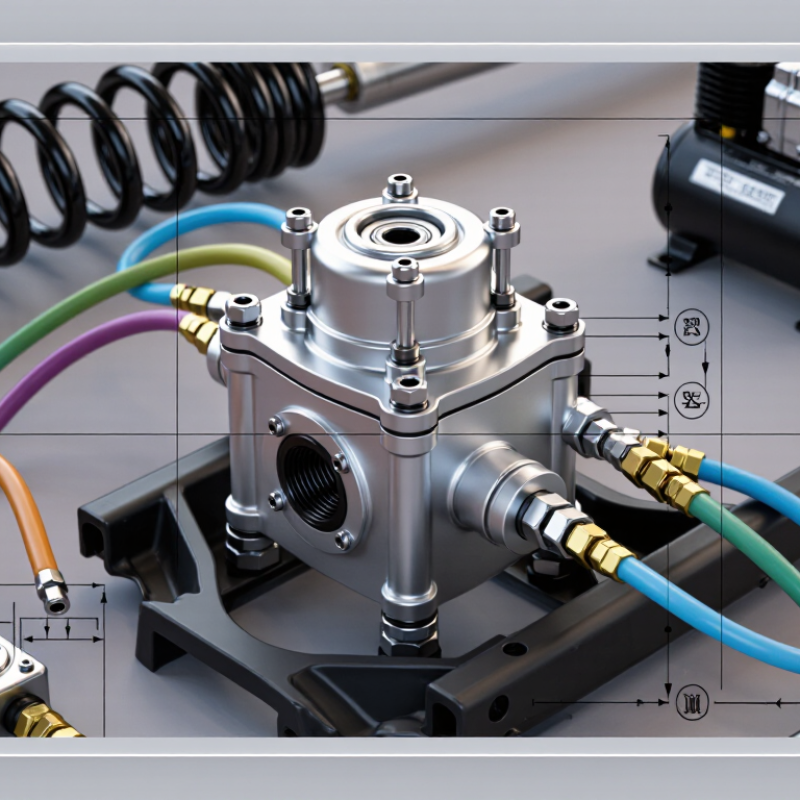
Table of Contents [Hide]
Understanding the Function of an Air Seat Control Valve
How to Choose the Right Air Seat Control Valve
Understanding the Function of an Air Seat Control Valve
An air seat control valve manages compressed air entering and leaving a pneumatic seat actuator. It controls movement, pressure, and timing during seat adjustment. When the control signal changes, the valve directs air toward the actuator chamber. The seat then moves smoothly instead of shifting abruptly. Some designs also release trapped air through an exhaust port. This feature helps prevent delayed movement and unwanted pressure buildup.
Choosing the correct valve starts with the actuator’s working pressure and air consumption. Check the valve’s pressure range carefully. A mismatch can cause weak movement, leakage, or premature wear. Port size matters too, because narrow passages may restrict airflow. Response speed should match the seat’s required adjustment time. Fast is not always better.
Consider the installation environment. Dust, moisture, vibration, and temperature can affect sealing performance. Materials should suit the surrounding conditions. In practical maintenance work, technicians often inspect thread condition, tubing connections, and exhaust cleanliness before replacing a valve. Small leaks are easy to overlook. They are not harmless.
A reliable selection also includes manual testing and repeated cycling. Watch for uneven motion, hissing sounds, or air loss after shutoff. No valve is perfect. Even a correctly rated model may perform poorly with contaminated air or careless installation. I would also leave room for review, because real operating conditions can differ from the original calculations.

© Copyright - Pro Tool & Supply - Site by SVM E-Marketing Solutions - Sitemap
- Privacy policy