- Products
- Air Compressors & Air Tools
- Climate Control
- Compaction Equipment
- Concrete Cutting Tools & Equipment
- Concrete and Masonry
- Demolition & Excavation
- Electrical & Mechanical
- Fasteners and Anchoring Adhesives
- Floor Protection
- Generators and Welders
- Hand Tools
- Heaters
- Janitorial and Office Supplies
- Jobsite Protection
- Ladders & Storage
- Lighting & Lighting Accessories
- Man Lifts
- Material Handling Equipment
- Power Tools
- Pressure Washers & Pumps
- Safety Gear
- Safety Products
- Saws
- Surface Preparation
- SEASONAL PRODUCTS
- Rentals
- Air Compressor and Air Tool Rentals
- Climate Control Rental
- Compaction Rentals
- Concrete Equipment Rentals
- Demolition & Excavation Equipment Rentals
- Concrete Floor Grinder Rentals
- General Construction Equipment Rentals
- Generator Rentals and Welder Rentals
- Heater Rentals
- Light Tower Rentals
- Man Lift Rentals in Massachusetts and Rhode Island
- Material Handling Equipment Rentals
- Pressure Washer & Pump Rentals
- Saw Rentals in New England
- SEASONAL PRODUCTS
- Products
- Air Compressors & Air Tools
- Climate Control
- Compaction Equipment
- Concrete Cutting Tools & Equipment
- Demolition & Excavation
- Electrical & Mechanical
- Floor Protection
- Generators and Welders
- Construction Heaters
- Construction Ladders, Staging, & Storage
- Construction Lighting
- Man Lifts
- Material Handling Equipment
- Industrial Janitorial and Office Supplies
- Pressure Washers & Pumps
- Construction Safety Products
- Construction Safety Gear
- Surface Preparation
- Building Protection
- Diesel Accessories
- Zero Emissions
- Rentals
- Air Compressor and Air Tool Rentals
- Climate Control Rental
- Compaction Rentals
- Concrete Equipment Rental
- Demolition & Excavation Equipment Rental
- General Construction Equipment Rental
- Generator Rentals and Welder Rentals
- Construction Heaters Rental
- Light Tower Rentals
- Man Lift Rentals
- Material Handling Equipment Rental
- Pressure Washer & Pump Rentals
- Saw Rentals in New England
- Concrete Floor Grinder Rentals
- Zero Emissions Rentals
- Repairs & Used
- Parts
- Blog
- Services
- Resources
- About Us
- Contact Us
Sales & Rental of Construction | Industrial Equipment & Supplies


Why Choose the Best Well Drilling Equipment?
Why choose the best Well Drilling Equipment when every project faces different ground conditions, budgets, and water demands? The answer begins beneath the surface. Soil density, fractured rock, groundwater depth, and borehole diameter all influence equipment selection. A rig that performs well in soft clay may struggle against granite. That difference matters.
Reliable equipment improves drilling control, safety, and long-term well quality. It can maintain steady torque, manage drilling fluid, and reduce unnecessary vibration. Strong pumps help remove cuttings efficiently. Accurate depth monitoring also supports better casing placement and development. These details are practical, not decorative. They affect downtime, fuel use, maintenance costs, and the final water yield.
Groundwater scientist Dr. John A. Cherry has emphasized, “Groundwater is everyone’s business.” His observation gives this decision wider meaning. A poorly selected rig may create an unstable borehole, wasted materials, or an unreliable water source. The best choice should therefore match local geology, operator experience, service support, and environmental responsibilities. Price alone is a weak guide.
Still, no machine guarantees success. Field conditions can change unexpectedly. Even experienced crews make imperfect decisions. That is worth admitting. A careful assessment should come before purchase, rental, or deployment. This guide examines how drilling capacity, component durability, transport needs, and after-sales support shape a dependable Well Drilling Equipment choice. The goal is simple: fewer surprises underground, clearer decisions above ground, and a well built for years of service.
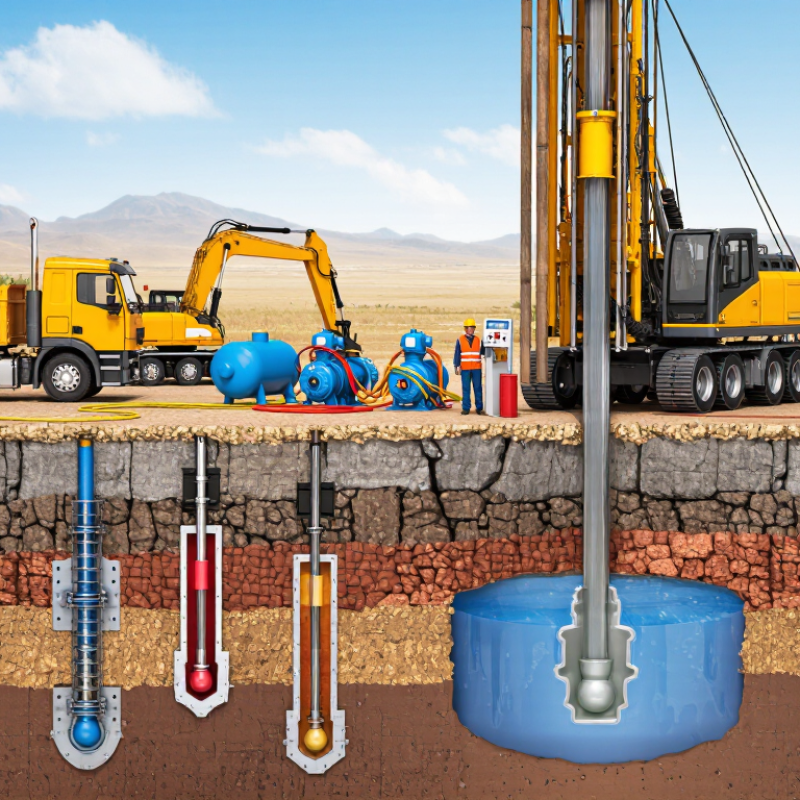
Table of Contents [Hide]
Understanding Well Drilling Equipment and Its Purpose
Why Choose the Best Well Drilling Equipment?
Well drilling equipment is designed to reach underground water safely and efficiently. Its purpose extends beyond making a hole. A drilling rig applies controlled force, torque, and rotation through soil and rock layers. The drill string transfers this energy to the bit. Air, water, or drilling fluid carries cuttings back to the surface. It is practical engineering.
A complete system may include a mast, rotary head, pump, compressor, casing tools, and lifting equipment.
Each part supports borehole stability and accurate drilling. Casing prevents loose soil from collapsing into the opening. It also helps isolate different underground layers.
Poor equipment can produce crooked holes, excessive vibration, or contaminated samples. That mistake is costly. Water quality may suffer when construction is rushed.
Choosing equipment requires more than checking maximum depth.
A hydrogeological survey should guide the decision. Ground hardness, expected water levels, borehole diameter, site access, and available power all matter. In muddy clay, fluid circulation may need careful control. In fractured rock, air drilling can remove cuttings faster, but dust management becomes important.
Experienced operators monitor pressure, penetration speed, cuttings, and unusual sounds. These details reveal changing ground conditions.
Records should include depth, casing placement, water strikes, and maintenance work.
I would not pretend every drilling plan is perfect. Uncertain geology can defeat a confident estimate. Regular testing and honest field notes often prevent larger problems.

© Copyright - Pro Tool & Supply - Site by SVM E-Marketing Solutions - Sitemap
- Privacy policy